The digital sprawl means your home address isn't just a physical marker; it's data scattered across the internet, ripe for the picking. Websites now offer quick, automated ways to pinpoint your location, transforming personal geography into readily available information. This proliferation of tools makes it alarmingly simple for individuals or entities to locate you, turning the act of finding your own address into a search for its digital footprint.
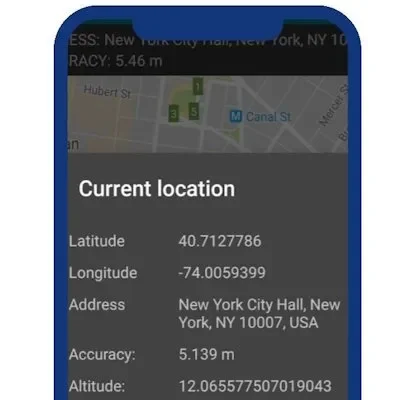
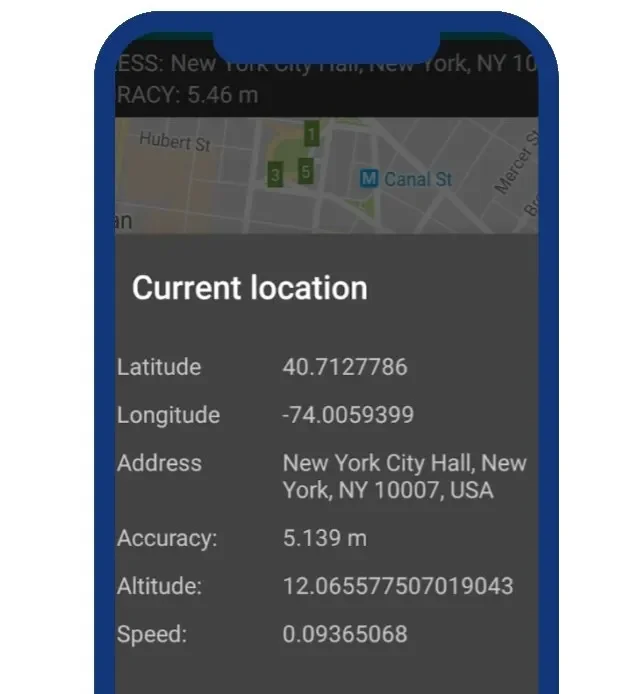
These services, often advertised as convenient ways to identify one's own location for emergency services or deliveries, function by accessing your device's GPS. They then display a "full, copy-ready address" including street, city, state, and ZIP code. Some explicitly state they do not store your location data, a claim that warrants scrutiny in an era where data permanence is the norm. Others suggest pausing VPNs or ad-blockers for accuracy, implicitly admitting these tools can obscure true location.
Read More: Chrome mimeHandler API lets extensions handle file types
DIGITAL SHADOWS OF HOME
Concerns about personal security and the deluge of junk mail are legitimate byproducts of this address dissemination. The very mechanisms designed for convenience, like online address lookups on platforms such as Whitepages, are also the conduits for this exposure. Simple searches combining a name and city can readily surface a specific address, illustrating a fundamental lack of privacy by design.
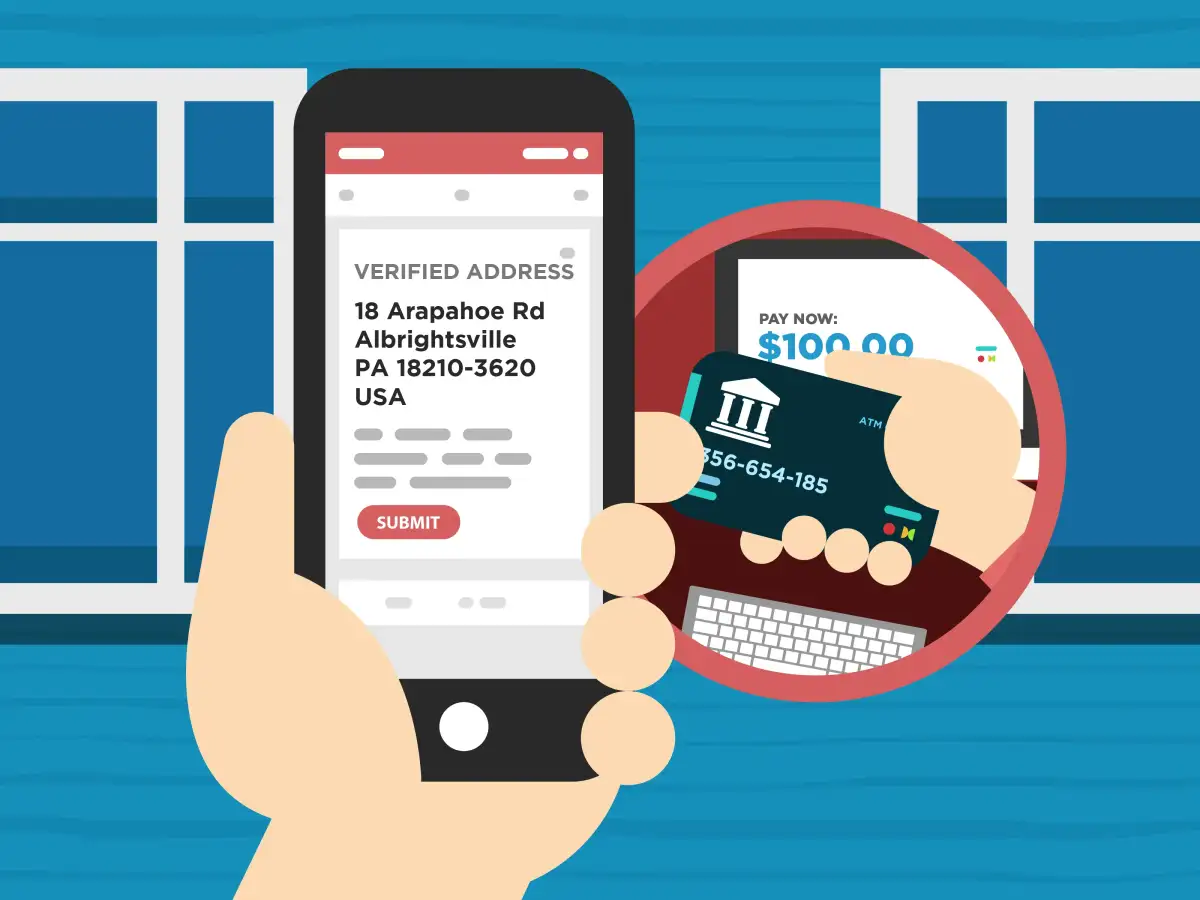
"The best way to find out is to check yourself," suggests one analysis, pointing to the sheer volume of data collection and sale happening behind the scenes. This proactive checking is framed as essential for security, particularly for those worried about stalking or simply wishing to curtail unsolicited mail.
LOCATING YOURSELF, OR BEING LOCATED
Tools on sites like AOL, CNET, and EasyCalculator are not merely passive repositories. They actively assist in locating a "current address," presenting it with street name, city, state, postal code, and even latitude/longitude. Some, like those on my-location.org, offer the capability to share this discovered location.
Read More: Meta AI App Has Hidden Face Scan Code, Raises Privacy Worries
The underlying technology often involves 'reverse geocoding,' a process that translates geographical coordinates into a recognizable street address. This technological capability, while useful for navigation or service provision, underscores the ease with which personal location data can be accessed and presented.
BACKGROUND NOISE
The digital ecosystem has fostered an industry dedicated to collecting and selling personal information, including home addresses. This landscape means addresses can surface in "random places online." Tools like the NCOA (National Change of Address) system, while potentially useful for mail delivery efficiency by minimizing fees and delays, also indicate structured processes for address management that could be leveraged elsewhere. The very concept of a "parcel address" versus a "street address" hints at layered data and potential for misinterpretation or selective use.