


The United States and Israel have been engaged in ongoing military strikes against Iran since Saturday, following the death of Iran's Supreme Leader Ayatollah Ali Khamenei. Conflicting statements from the Trump administration regarding the rationale and objectives of these attacks have fueled widespread uncertainty about the war's trajectory and ultimate aims.

Administration officials have offered a range of justifications for the strikes, at times emphasizing the threat posed by Iran's nuclear program, while at others pointing to alleged imminent preemptive strikes by Iran against U.S. forces in the region. However, sources cited by CNN suggest that prior to the joint U.S.-Israeli strikes, President Trump and his senior officials may have exaggerated the immediacy of Iran's nuclear capabilities and its capacity to threaten the U.S. Reports also indicate a lack of evidence supporting the claim of impending Iranian preemptive actions, according to Pentagon briefings with congressional staffers.
Read More: Pam Bondi Subpoenaed Over Unreleased Epstein Files After Kristi Noem's Departure

Unclear Objectives and Shifting Narratives
President Trump's own pronouncements on the conflict have been marked by a lack of definitive strategy. He has presented a moving target of war aims, shifting between focusing on Iran's nuclear ambitions and broader threats, with no clear articulation of a long-term vision for the country's future. In a letter to Congress, Trump himself admitted to an absence of a defined plan for the ongoing hostilities, leading to accusations of improvising the military campaign.
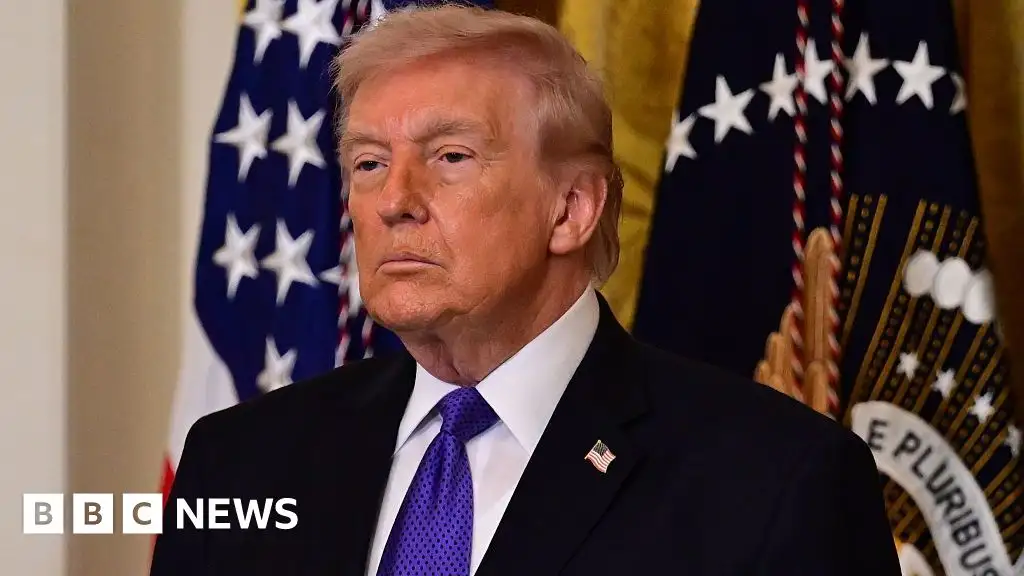
The administration's public messaging has been inconsistent, with Trump providing at least four different explanations for the duration and envisioned outcomes of the bombing campaign over a two-day period. This variability has left many questioning the underlying strategy and the potential for escalation. While Trump has limited the current U.S. action to air strikes, a tactic previously employed against Iran's nuclear facilities, he has also cautioned that further U.S. casualties are possible as the conflict progresses.
Read More: US Prosecutors May Charge Cuban Officials for Crimes
Diplomatic Overtures vs. Military Action
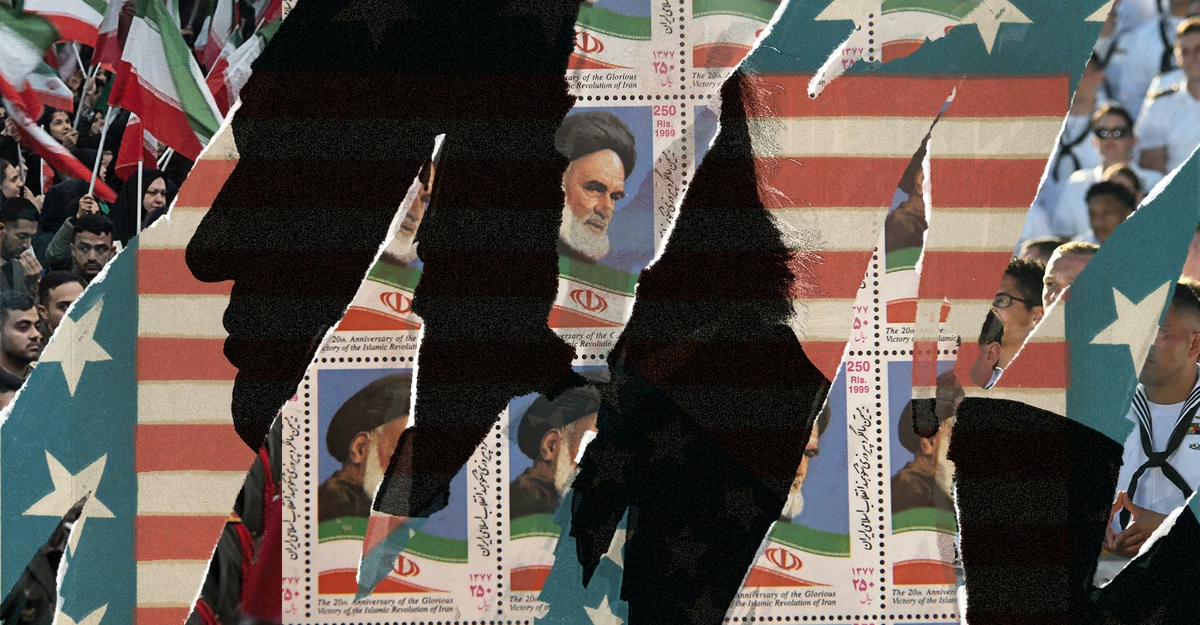
Amidst the ongoing military operations, President Trump has also expressed a preference for resolving issues with Iran through diplomatic means, a stance that appears to contradict the kinetic actions being undertaken. This duality raises questions about the administration's true priorities and whether a coherent strategy encompasses both aggressive military engagement and a genuine pursuit of de-escalation through dialogue.
One stated objective from Washington has been for Iran to cease uranium enrichment and allow international monitoring of its nuclear sites. However, the efficacy of achieving such outcomes through sustained aerial bombardment, especially without a clear endgame, remains a subject of significant debate among observers and former military officials. The prospect of regime change, a notion often associated with such conflicts, is viewed by some analysts as unlikely to be achieved through bombing alone, suggesting a potential need for either internal collapse within Iran or direct U.S. ground intervention.
Read More: Bryon Noem Stays Married Amidst Affair Rumors Due to Christian Faith
Background of Tensions
The current military actions follow a period of heightened tension and prior U.S. strikes, notably those in June that were framed as efforts to curb Iran's nuclear development. At that time, Trump had asserted that Iran posed an imminent threat, yet also claimed that U.S. and Israeli forces had significantly hampered its nuclear program. The ultimate duration and consequences of the war in Iran are seen as outcomes influenced by multiple actors, not solely by the decisions of President Trump or Israel.