


Recent advancements in artificial intelligence are enabling individuals who have lost their capacity to speak due to conditions like motor neurone disease (MND) to hear their own voices once more. This technology synthesizes a unique voice based on past recordings, aiming to restore a sense of personal identity and connection for those affected.
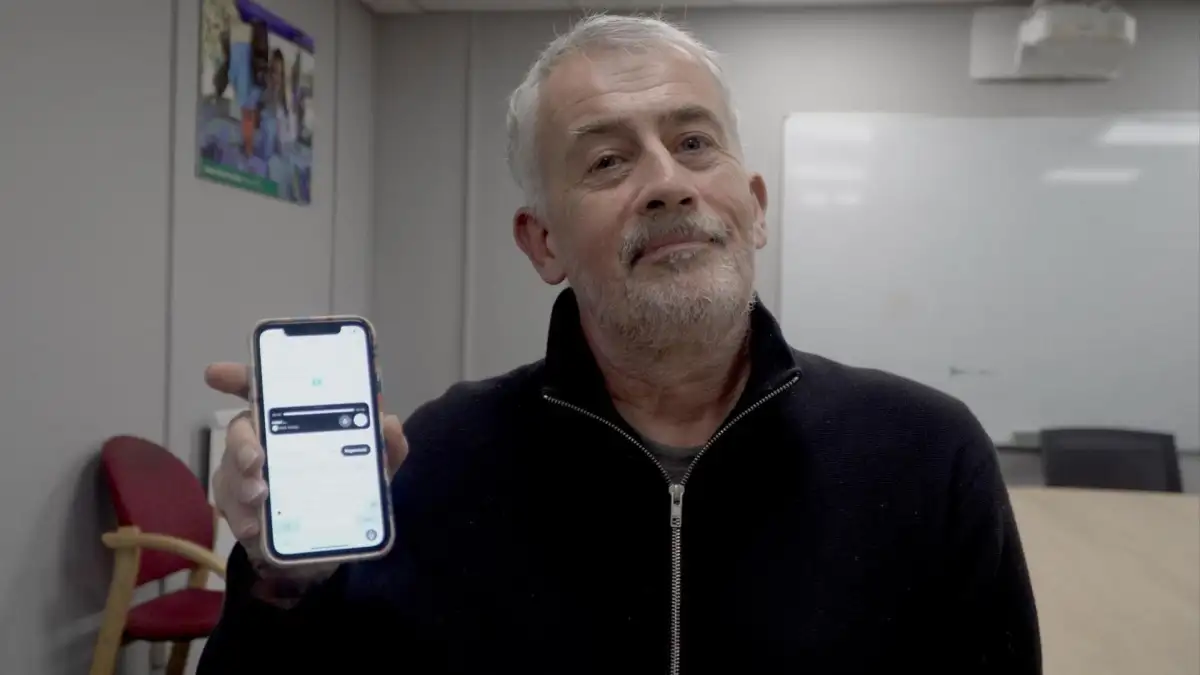
The core of this innovation lies in the use of AI to analyze and reconstruct a person's vocal characteristics. By feeding the AI system old voice notes, videos, or voicemails, software can recapture specific accents, intonations, and speech patterns. Companies like ElevenLabs are noted for their involvement in this process. The output is not merely generic text-to-speech but a synthesized version that closely mirrors the individual's original voice.
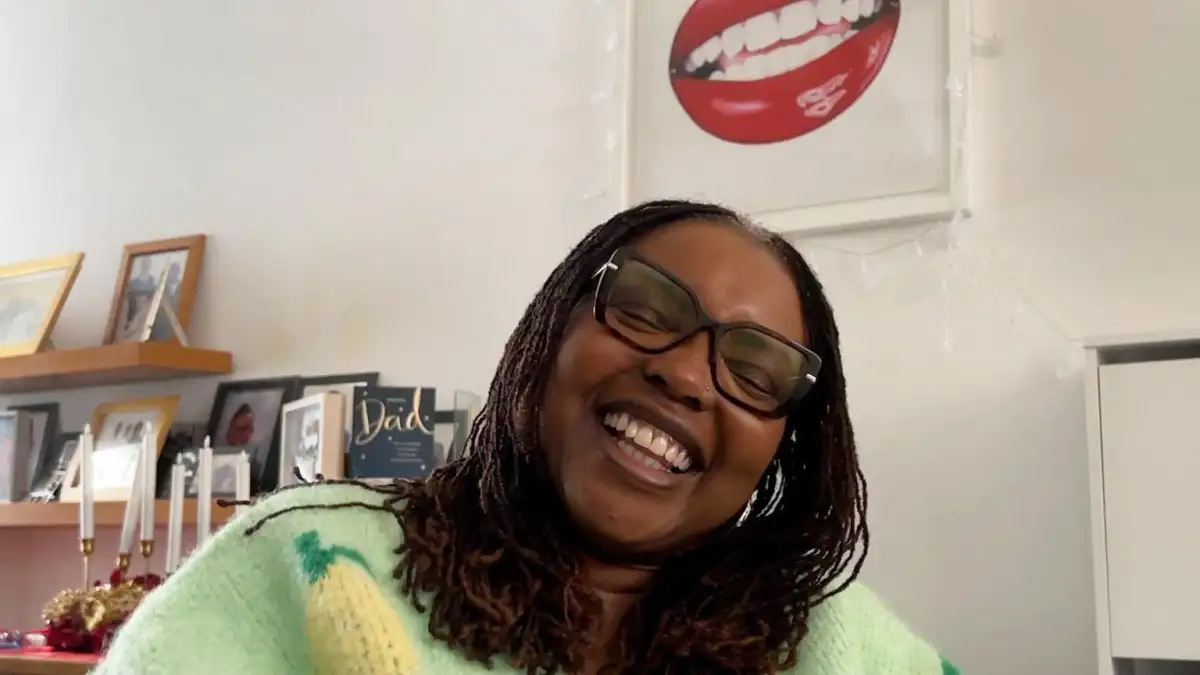
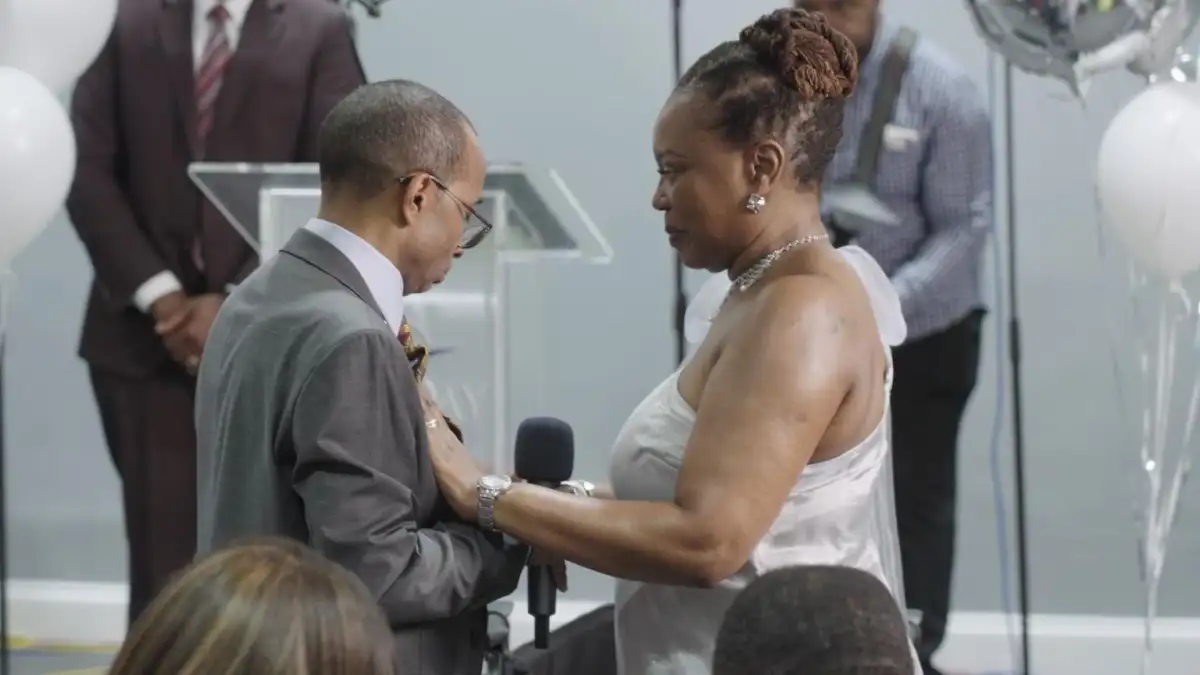
The impact on those utilizing this technology is described as profound. For individuals like Yvonne Johnson, who has MND, the loss of her voice was deemed the "most devastating" consequence of the disease, even more so than the loss of mobility or strength. Hearing her own voice again, recreated by AI, has been reported as "amazing" and has allowed her personality to "stay alive." This synthesized voice has been used for significant life events, including reciting wedding vows and speaking at awareness events. Her daughter, Kayla, noted that the AI voice made it feel as though "my mum was there."
Read More: NYU Professors Use Handwritten Work Due to AI Concerns in 2024
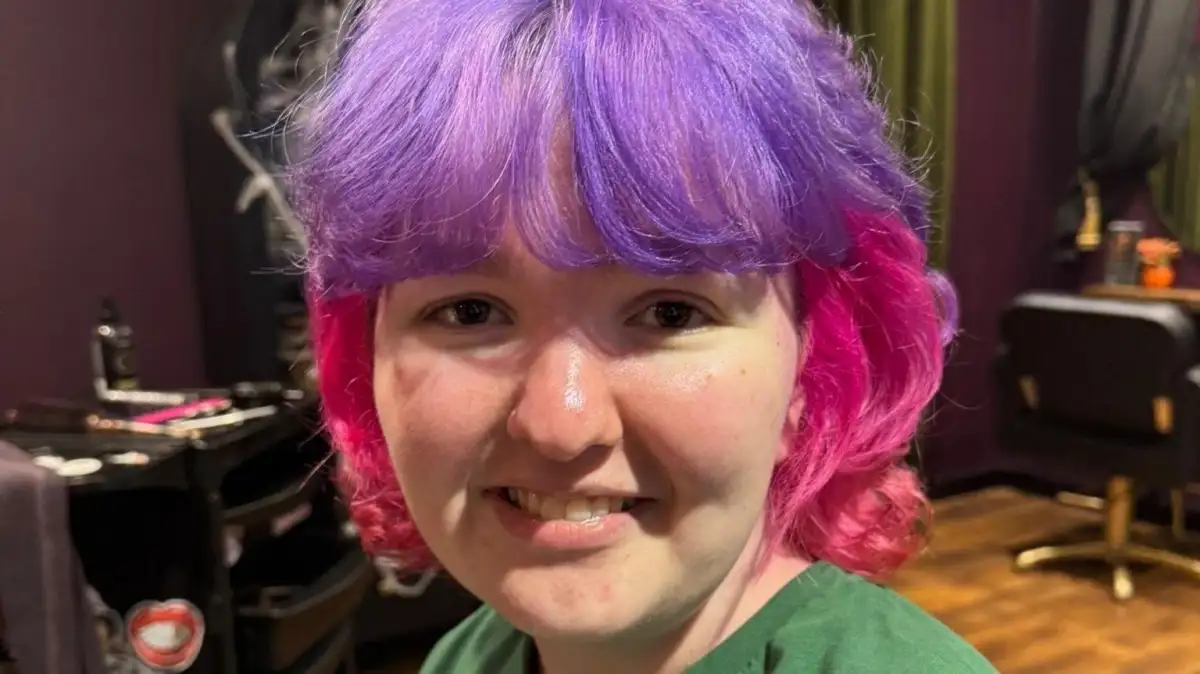
Another case involves Sarah Ezekiel, who lost her ability to speak 25 years ago after being diagnosed with MND at the age of 34. Ezekiel was able to reclaim her voice using an eight-second audio clip from an old home video. The AI successfully replicated her original voice, complete with a London accent and a lisp she had previously disliked but now appreciates as part of her identity. Prior to this AI development, Ezekiel communicated using computer-generated voices that did not resemble her own. The ability to speak in her own voice has been described as a significant return to self.
Read More: Hyderabad AIG Hospitals Offers New Non-Invasive Brain Tumor Treatment
This technological development offers a pathway for individuals to maintain their personal identity when verbal communication becomes impossible. The potential extends beyond MND, offering hope to anyone who has lost their voice and wishes to preserve their unique vocal identity. This suggests a broader application for AI in mitigating the isolating effects of speech loss, allowing individuals to continue expressing themselves in a manner that feels authentically theirs.
Background on Motor Neurone Disease
Motor neurone disease (MND) is a progressive neurodegenerative condition that affects the nerves in the brain and spinal cord. It leads to muscle weakness and wasting throughout the body. As the disease progresses, it can affect the muscles used for breathing, swallowing, and speaking, ultimately leading to a loss of voice. While there is no cure for MND, treatments are available to help manage symptoms and improve quality of life.
Read More: GPT-5.2 API access grows in late 2025, costs rise with usage