


Recent commentary suggests Tottenham Hotspur may be flirting with a fate eerily similar to Newcastle United's 2009 relegation. The argument, advanced by Craig Hope, hinges not on present-day performance alone, but on a broader, sustained decline – a narrative that transcends a single match or even a season. The assertion is that Tottenham are "not too good to go down," a stark challenge to the club's perceived status.
The Argument for a Steep Fall
The parallels drawn with Newcastle's 2009 experience highlight a specific kind of descent. For Newcastle, entering the bottom three on March 21, 2009, followed a dismal run of one win since Christmas. This pattern suggests that relegations are often the culmination of prolonged struggles, not sudden implosions. The implication for Tottenham is that their current predicament, or perhaps a similar downturn in form, could be the final trigger in a longer cycle of underperformance. The discussion also broaches the idea of change, specifically questioning whether appointing a third manager of the season might serve as the necessary shock to avert disaster.
Read More: Archie Gray's move to Tottenham Hotspur in June 2024 causes fan anger and tactical issues
Past Missteps and Lingering Doubts
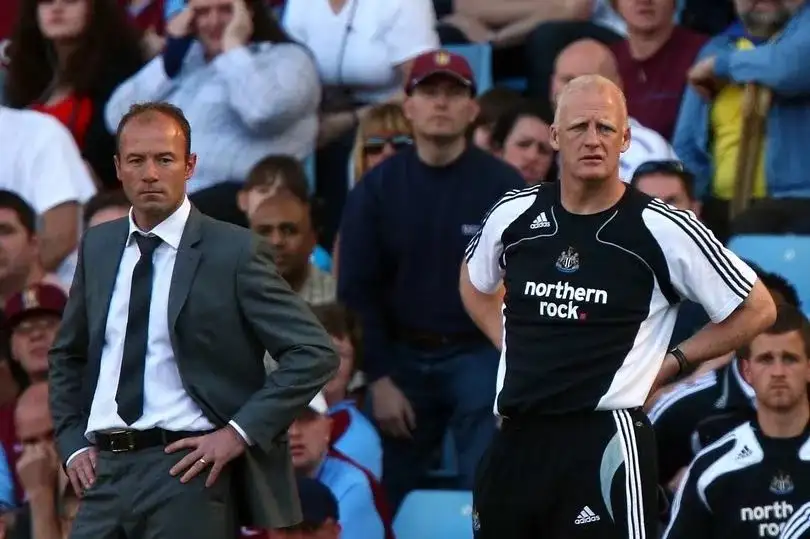
The 2009 Newcastle season serves as a cautionary tale. Despite attempts to galvanize the squad, including bringing in Alan Shearer as caretaker manager for the final eight games, the club ultimately succumbed to the Championship. Even a final-day lifeline, which would have seen them safe with a draw against Aston Villa, ended in defeat due to an own goal. This historical context fuels the concern that Tottenham, like Newcastle in that dire year, may have exhausted their options or "no more aces up their sleeves." The sentiment is that even moments of potential salvation can be undone by a single fatal error.
The Nature of Relegation
It is stressed that relegation is not solely about immediate form. It's a consequence of performance over an extended period – "what's gone on this season, last season and the season before." This perspective suggests that for a club like Tottenham, the repercussions of potential relegation might not necessarily define the club in its entirety, but the immediate consequences for the team are severe. The question then becomes whether a significant change, a jolt similar to those seen in past crises, is the only path to realization.
Read More: SAAP Chairman Gives ₹1 Lakh to Athlete Bollineni Chandrika for Medical Bills in Andhra Pradesh
Background: Newcastle's 2009 Collapse
The 2008-09 Newcastle United season was marked by turmoil and ultimately, relegation. Despite significant investment and high expectations, the team struggled for consistency. The club saw multiple managerial changes, with Kevin Keegan resigning early in the season, followed by Joe Kinnear and finally Alan Shearer taking the helm for the last eight matches. Shearer, a club legend, faced an uphill battle. His tenure, though undertaken with high stakes, could not prevent the club's first-ever relegation. Players like Peter Løvenkrands, who joined in January, have spoken about the difficult circumstances. The season concluded with a 1-0 loss to Aston Villa on the final day, sealing their fate. Many players from that era have since moved on to various roles, with some, like David Edgar, having managed youth teams or, in a different context, engaging with social media platforms.
Read More: Italy World Cup Playoffs: Chiesa and Verratti on Preliminary List for March 2025