


Tottenham Hotspur has unveiled its squad for the upcoming 2025/26 UEFA Champions League League Phase, and the news is far from straightforward. While new star signings like Joao Palhinha and Xavi Simons have made the cut, several prominent players, including Yves Bissouma and Mathys Tel, have been notably omitted. The club’s inability to field a full 25-man squad, reportedly due to a shortfall in "club-trained" players, raises critical questions about long-term player development and squad planning at the highest level of European football. This isn't just about who's in and who's out; it’s a symptom of a deeper issue that could significantly impact Tottenham’s European aspirations.
The Rules of Engagement: What UEFA Demands
UEFA regulations are the bedrock of these squad decisions, dictating how many players can be registered and the specific categories they must fit into.
Read More: Nottingham Forest Fires Manager Sean Dyche
List A Maximum: Clubs can register a maximum of 25 players on List A.
Goalkeeper Quota: At least two goalkeepers must be included in the List A squad.
Homegrown Heroes: A crucial element is the requirement for eight "locally-trained players." This category itself is nuanced:
Club-Trained: Players registered with Tottenham for at least three full seasons or 36 months between the ages of 15 and 21.
Association-Trained: Players registered with Tottenham OR another club affiliated to the same national association for at least three full seasons or 36 months between the ages of 15 and 21.
The Limit on the Rest: The remaining spots are for players who do not meet the "locally-trained" criteria.
This complex web of rules forces clubs into difficult choices, especially when player availability and developmental pathways don't perfectly align with UEFA's stipulations.
The Tottenham Predicament: A Story of Gaps and Gaffes
The narrative surrounding Tottenham's squad submission this year is one of struggle, not strength. Despite having a host of talented players, the Lilywhites are reportedly unable to fill their 25-man quota.
Read More: Iberia Now Charges for Bags That Are Not the Right Shape
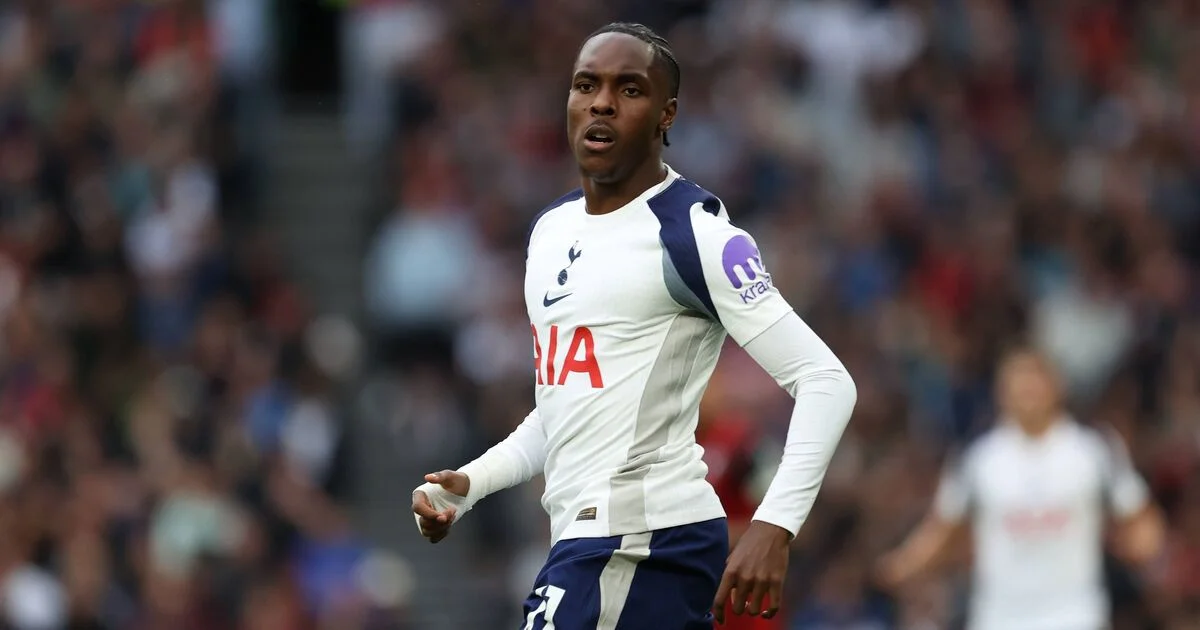
"Unfortunately, Tottenham are not in a position where they can name a full 25-man squad for the Champions League due to not having all four positions filled when it comes to club-trained players." (Article 3)
This lack of "club-trained" players, specifically, is cited as the primary reason for the reduced squad size. According to reports, only Brandon Austin fits the stringent definition of a "club-trained" player. This leaves three open slots that cannot be filled, forcing Tottenham to submit a 22-man squad.
This situation raises immediate concerns:
Long-Term Strategy: How has Tottenham's youth academy and player recruitment strategy led to such a significant deficit in club-trained players for a major European competition?
Player Development Pathways: Are young players coming through the ranks being adequately nurtured and given opportunities to meet the criteria, or are they being overlooked in favor of immediate signings?
Recruitment Policy: When acquiring players, how much weight is given to their "trained" status to ensure future squad compliance?
Who's In, Who's Out, and Why it Matters
The published squad lists reveal a mix of high-profile arrivals and surprising omissions, fueling speculation and debate among fans.
Read More: Spurs Look at Tactics and Player Choices
Key New Additions:
Joao Palhinha: A significant midfield acquisition, expected to bolster Tottenham's engine room.
Mohammed Kudus: Adds pace and goal threat to the attacking department.
Xavi Simons: A highly-rated creative talent, seen as a future star for the club.
Randal Kolo Muani: Another forward option, brought in to compete and provide depth.
Notable Omissions:
Yves Bissouma: A key midfield player, his absence is particularly perplexing given his importance last season.
Mathys Tel: A promising young forward, his exclusion is surprising given the need for attacking options.
Dejan Kulusevski: Although an "association-trained" player, his omission is noted, potentially linked to squad balancing.
James Maddison: The report suggests he is a long-term injury absentee, explaining his unavailability.
Radu Dragusin: Another player facing exclusion, potentially due to the aforementioned squad registration issues.
Read More: EU Leaders Disagree on How to Help Europe's Economy
The inclusion of Palhinha, Kudus, Simons, and Kolo Muani highlights the club's ambition in the transfer market. However, their presence comes at the cost of established players like Bissouma and the promising Tel. This points to a delicate balancing act between short-term competitive needs and the constraints imposed by UEFA's regulations.
The "Club-Trained" Conundrum: A Lingering Problem
The crux of Tottenham's squad dilemma lies in the scarcity of players who meet UEFA's "club-trained" criteria. This definition – players registered with the club for three seasons or 36 months between the ages of 15 and 21 – is stringent.

| Category | Criteria | Tottenham's Situation (Reported) |
|---|---|---|
| Club-Trained | Registered with the club for 3 seasons/36 months (ages 15-21) | Very Limited (e.g., Brandon Austin) |
| Association-Trained | Registered with the club OR another association club for 3 seasons/36 months (ages 15-21) | Numerous, but limited to four |
| Non-Homegrown | Players not meeting either trained criteria | The bulk of the squad |
Read More: Thomas Partey Denies Rape and Sexual Assault Charges
The fact that Tottenham has only one recognized club-trained player (Brandon Austin) to fill this vital category is a glaring red flag.
Historical Context: Has Tottenham historically prioritized academy investment and integration of youth prospects into the first team?
Talent Drain: Are promising young players leaving the club before fulfilling the "club-trained" criteria?
Impact of Transfers: How have recent transfer policies affected the pool of eligible homegrown players?
This isn't a new issue for clubs. As seen in previous European campaigns, like Djed Spence's inclusion in the Europa League knockout stages after being initially left out (Article 2, Article 3), managers often have to make tough cuts and adjustments. However, the fundamental lack of eligible players suggests a more systemic problem than a simple selection choice.
Squad Balancing Act: Non-Homegrown Limits
Beyond the "club-trained" players, Tottenham must also navigate the restrictions on non-homegrown players. While the exact number isn't explicitly stated in every report, the underlying issue suggests they may have exceeded the allotted quota of "association-trained" players, forcing them to further trim the squad and exclude valuable assets.
Read More: Cold Weather and Flooding Expected in Parts of Europe
This creates a vicious cycle:
Limited "Club-Trained" Pool: Reduces the overall number of available spots.
Abundance of "Association-Trained" Talent: Players who are homegrown in their respective countries but not necessarily at Spurs.
Need for Star Power: The desire to compete means signing top international talent, who often fall into the non-homegrown category.
This forces agonizing decisions, like omitting Yves Bissouma and Mathys Tel. Are these players deemed surplus to requirements, or are they casualties of UEFA's strict squad-building rules, a consequence of broader recruitment and development strategy?

A European Rule Change: A Lifeline or a Temporary Fix?
Amidst these squad announcements, UEFA has introduced a significant rule change: the ability for clubs to amend their submitted squads during the group phase (Article 5).
This news arrived just before the Champions League commenced and offers a potential lifeline.
Read More: Pochettino Might Come Back to Tottenham, But Will Fans Wait?
Injury Contingency: If a player like Mathys Tel gets injured, he could theoretically be drafted back in.
New Signings: This flexibility could also allow for January transfer window additions if needed.
However, the core issue remains: Tottenham still can't name a full 25-man squad from the outset. This rule change provides tactical flexibility, but it doesn't solve the underlying problem of player registration eligibility. It’s a reactive measure, not a proactive solution to Tottenham’s domestic talent development or recruitment strategy.
Expert Perspectives: What Lies Beneath the Surface?
Football analysts and pundits are weighing in on the implications of Tottenham's squad selection. The consensus points to a potential disconnect between the club's ambitions and its practical execution of player development and registration compliance.
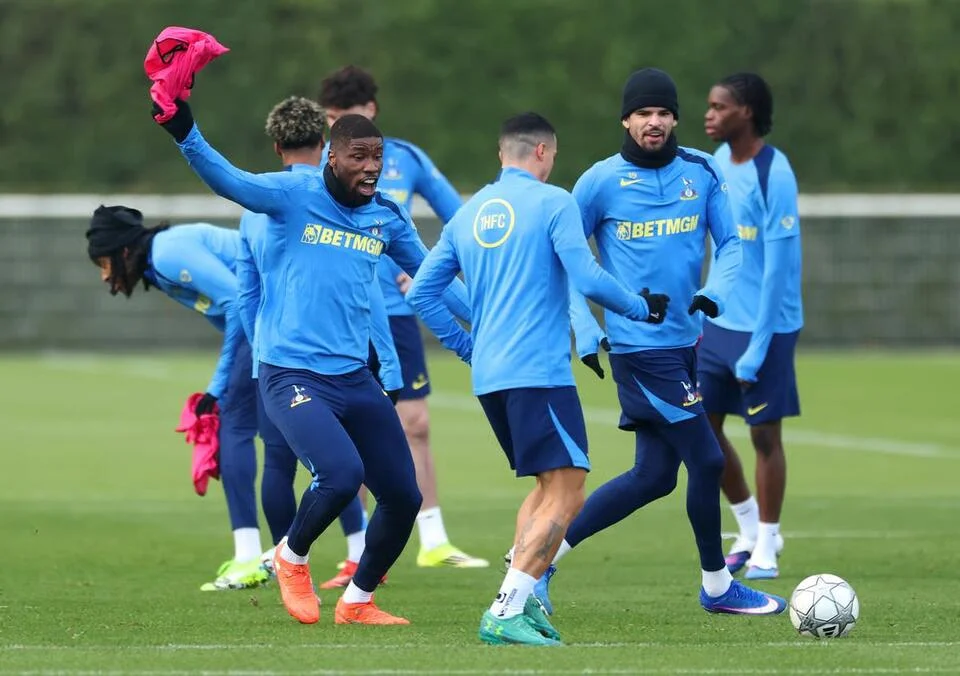
"This situation highlights a critical flaw in Tottenham's long-term planning," notes football strategist Dr. Eleanor Vance. "UEFA's rules are not new. Clubs like Tottenham, with aspirations of consistently competing in the Champions League, must have robust youth programs and strategic recruitment that anticipates these requirements. Leaving gaps in a major competition squad due to insufficient homegrown talent is a missed opportunity and a potential financial disadvantage."
Read More: Russia Attacks Ukraine; Leader May Hold Elections
Former Spurs midfielder Glenn Hoddle expressed concern on a recent broadcast: "It's baffling to see players like Bissouma out. While the new signings are exciting, you need depth and quality throughout. This rule about trained players is crucial, and if Spurs are struggling here, it points to a bigger problem in how they're developing players from within or acquiring them with those specific criteria in mind."
These insights underscore the suspicion that this isn't just about tactical choices but a symptom of broader strategic shortcomings that need immediate attention.
Conclusion: A Squad Built on Necessity, Not Idealism
Tottenham's 22-man Champions League squad is a testament to the complex realities of modern football, where stringent regulations often dictate ambition. The exclusion of several prominent players, while welcoming new faces, is primarily attributed to a critical shortage of "club-trained" players, leaving three slots unfilled.
This situation is not merely a footnote; it’s a critical indicator of:
Youth Development Gaps: The academy system may not be producing enough players who meet the strict UEFA criteria for club-trained status.
Recruitment Strategy Shortcomings: The club’s transfer policy may not sufficiently prioritize players who fit the "trained" categories, leading to a reliance on non-homegrown talent that now presents registration challenges.
Potential for Future Issues: This predicament could recur in subsequent European campaigns unless significant strategic adjustments are made in player development and recruitment.
The ability to amend the squad mid-competition offers some tactical flexibility, but it doesn't address the fundamental issue. Tottenham has been forced to present a squad built out of necessity, a pragmatic response to UEFA's rulebook rather than an ideal selection of their strongest available players. The real question for the club's hierarchy is: How will they proactively address these structural issues to ensure they can field their best possible team, and compete at the highest level, without such debilitating constraints in the future? The performance on the pitch will undoubtedly be scrutinized, but the greater challenge lies in the boardroom and the academy pitches, where the foundations for future European success – or failure – are being laid.
Sources:
Article 1: Tottenham Hotspur Official Website. (2025, September 3). Squad confirmed for League Phase of the 2025/26 UEFA Champions League. Retrieved from https://www.tottenhamhotspur.com/news/2025/september/squad-confirmed-for-league-phase-of-the-202526-uefa-champions-league/
Article 2: Football.London. (2025, September 3). Tottenham Champions League squad confirmed with Tel one of six players axed. Retrieved from https://www.football.london/tottenham-hotspur-fc/news/breaking-tottenham-champions-league-squad-32405574
Article 3: Express Sport. (2025, September 3). Tottenham Champions League squad confirmed as £30m summer signing snubbed. Retrieved from https://www.express.co.uk/sport/football/2104081/Tottenham-Champions-League-squad-confirmed
Article 4: The Athletic. (2025, September 3). Tottenham’s Champions League squad: Simons and Kolo Muani in, Tel and Bissouma out. Retrieved from https://www.nytimes.com/athletic/6591617/2025/09/03/tottenham-champions-league-squad-tel-bissouma/
Article 5: Standard.co.uk. (n.d.). UEFA confirm major Champions League rule change to squad registration. Retrieved from https://www.standard.co.uk/sport/football/champions-league-rule-change-announced-arsenal-fc-chelsea-tottenham-b1247330.html
Article 6: NewsBreak (via The Standard). (Low Priority). Tottenham confirm major change to Champions League squad ahead of Borussia Dortmund clash. Retrieved from https://www.newsbreak.com/the-standard-2033851/4449545860827-tottenham-confirm-major-change-to-champions-league-squad-ahead-of-borussia-dortmund-clash
Article 7: UEFA.com. (Low Priority). Tottenham | Squad | UEFA Champions League 2025/26. Retrieved from https://www.uefa.com/uefachampionsleague/clubs/1652—tottenham/squad/


