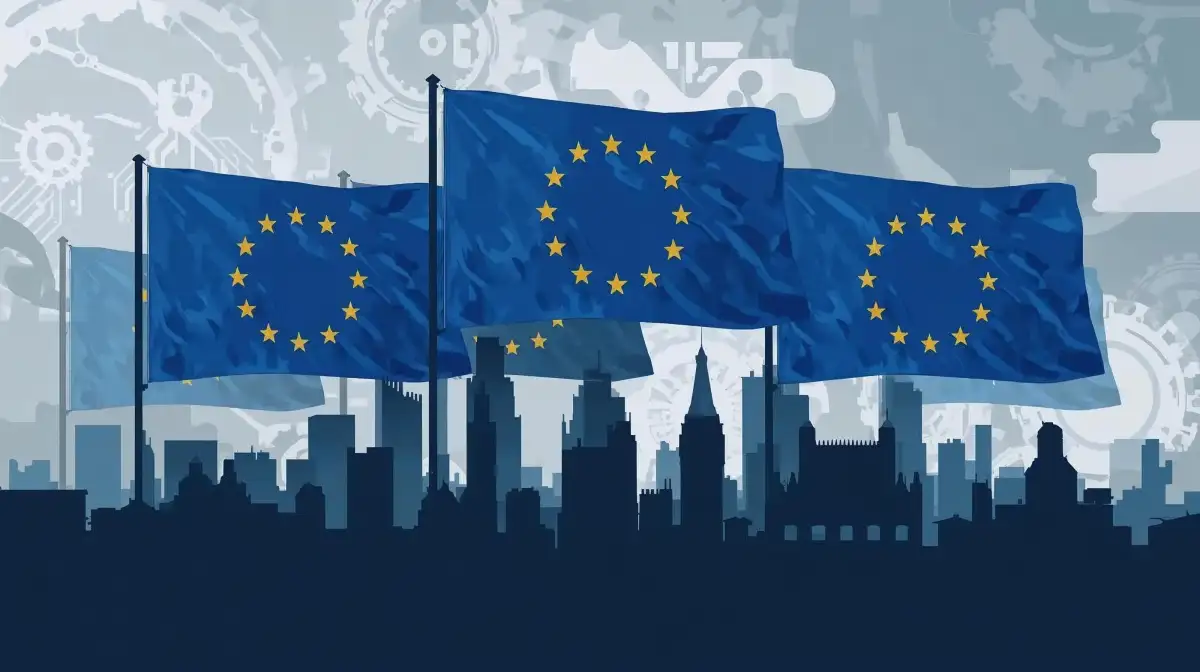
Leaders of the European Union are meeting in Belgium, facing significant disagreements over how to boost the bloc's economy in the face of competition from the United States and China. A central point of contention is a French proposal for a "Buy European" initiative, which aims to prioritize EU companies in strategic sectors. This idea is meeting resistance from some member states who favor free trade and less government intervention. The summit aims to find ways to make Europe more competitive, attract investment, and encourage new ideas, but differing national interests are creating friction.
Economic Challenges and Global Pressures
The European Union is experiencing what is described as a "stagnant economy." Leaders are gathering to find solutions to improve competitiveness, reduce trade barriers, and foster innovation. This effort comes at a time when the EU is grappling with significant economic challenges and political shifts globally. The stated goal is to transform the bloc into a global economic powerhouse, capable of standing against the economic might of the US and China.
Read More: Architect Shalom Baranes Faces Criticism for $400 Million Trump White House Ballroom Project
Key objectives:
Revive the EU's economy.
Abolish regulatory barriers.
Attract investment.
Stimulate innovation.
Become a competitive economic powerhouse.
"Buy European" Proposal Sparks Debate
French President Emmanuel Macron is leading a push for a "Buy European" drive. This initiative seeks to give preference to European companies within the EU, particularly in key areas like defense, steel, and electric vehicles. The intention is to bolster the EU's own industries and reduce reliance on foreign markets.
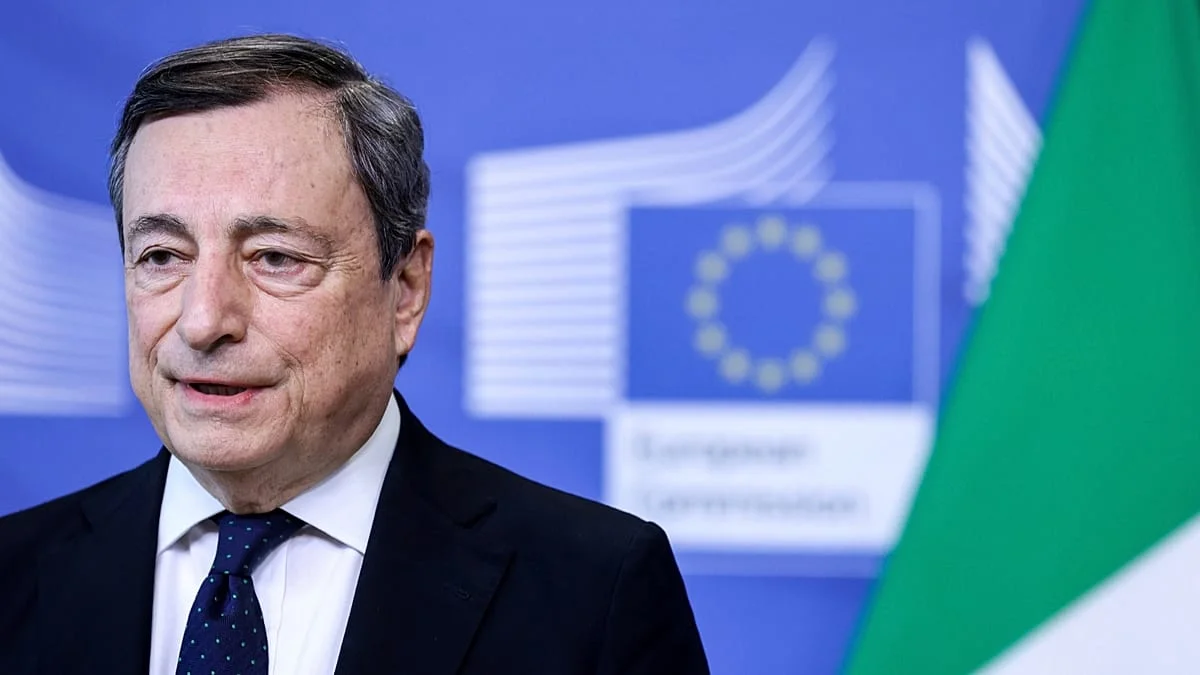
However, this proposal has raised concerns among some EU leaders. Countries like Sweden, represented by Prime Minister Ulf Kristersson, are wary of government intervention in markets.
"I don't always agree with the methods." - Ulf Kristersson on Macron's proposals.
Germany, under Chancellor Friedrich Merz, also appears to hold a different economic view, favoring deregulation and broader trade deals rather than a protectionist "Buy European" approach.
Divergent Economic Philosophies
The upcoming summit in Belgium highlights a divergence in economic thinking among EU leaders. While Macron advocates for a more proactive, interventionist approach to strengthen European industries, other leaders, particularly from Northern Europe, champion free trade principles.
Read More: BASF Chemical Company Share Price Falls by 5% After Weak Earnings Report in Germany

Macron's stance: Supports "Buy European" to bolster strategic sectors.
Sweden's stance: Suspicious of state intervention, favors free trade.
Germany's stance: Leans towards deregulation and broader trade agreements.
This difference in approach is creating friction as leaders attempt to forge a united path forward.
Trade Deals and Internal Divisions
Beyond the "Buy European" debate, the EU also faces internal disagreements on trade policy. The Mercosur trade deal, a long-negotiated agreement with South American countries, is a prime example.
Germany and Spain are reportedly pushing for the Mercosur pact.
France, a major beef producer, has expressed reservations, citing a lack of readiness in safeguards for sensitive products like beef. Macron has stated, "We are not ready."
This division over trade, much like the "Buy European" initiative, demonstrates the complex balancing act EU leaders face between promoting European interests and maintaining open market principles.
Broader Context: Strategic Independence and Global Competition
The discussions on economic competitiveness are occurring within a broader context of seeking "strategic independence" for Europe. Events and rhetoric from the United States, particularly from President Donald Trump, have amplified calls for the EU to reduce its reliance on American influence.
Leaders are seeking to strengthen the EU's position relative to the US and China.
Previous crises have highlighted the need for greater European autonomy.
However, internal divisions make achieving a unified approach challenging.
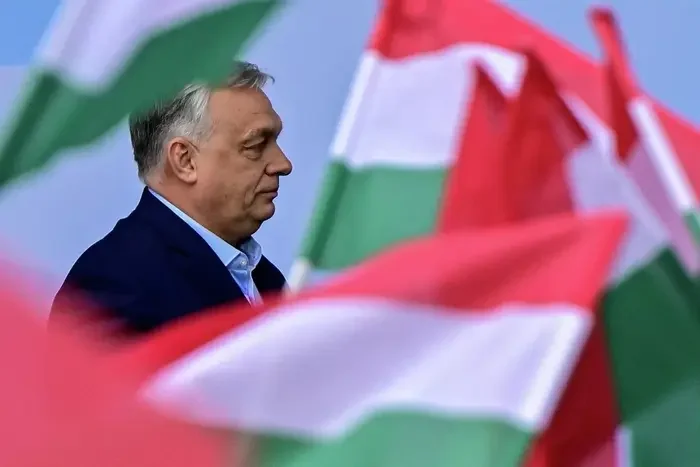
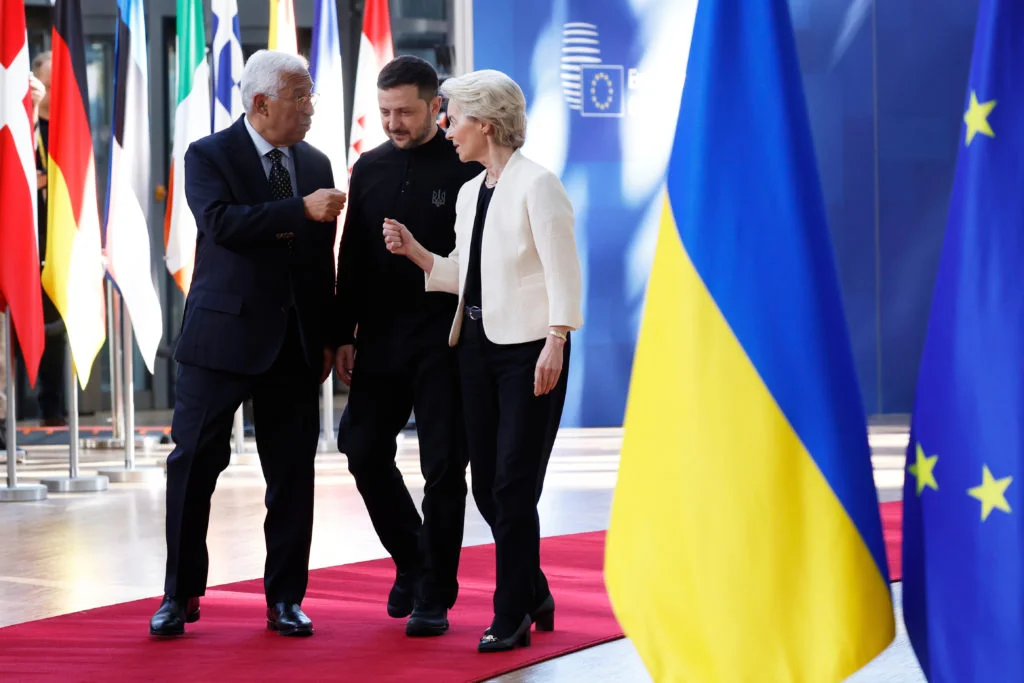
The summit is also reportedly discussing ways to support Ukraine, including proposals to utilize frozen Russian assets. However, agreement on such measures can be complicated by the differing stances of member states, such as Hungary's refusal to fund Ukraine.
Read More: Punjab Minister Laljit Singh Bhullar resigns after suicide allegations in Amritsar
Expert Analysis
The current situation reflects long-standing tensions within the EU regarding economic policy.
"The EU’s 27 leaders will gather on Thursday for a brainstorming session on how Europe can regain its economic competitiveness vis-a-vis the US and China, at a time of economic threats and political turbulence." - The Guardian
This underscores the high stakes of the meeting, where diverging national interests, particularly concerning trade and industrial policy, are surfacing. The "two-speed Europe" concept, where some nations might advance more quickly than others, is also being considered, suggesting a recognition of these inherent divisions.
Conclusion and Implications
The EU summit in Belgium is marked by significant disagreements, primarily centered on economic strategy. The "Buy European" proposal by Emmanuel Macron highlights a divide between those favoring protectionist measures to boost domestic industries and those advocating for free trade. Similarly, the debate around the Mercosur trade deal exposes differing national priorities and sensitivities.
These internal conflicts come at a critical juncture as the EU aims to enhance its global economic standing and achieve greater strategic independence. The ability of leaders to bridge these divides will be crucial in determining the bloc's future economic trajectory and its capacity to respond effectively to challenges posed by global competitors like the US and China. The outcome of these discussions will shape policies on trade, industrial support, and investment for years to come.
Read More: EU Investigates Broadcom's VMware Partner Changes After Cloud Provider Complaint
Sources Used:
The Guardian: EU leaders to clash over ‘Buy European’ push at Belgium summit - Published: 28 minutes ago - Link: https://www.theguardian.com/world/2026/feb/12/eu-leaders-clash-buy-european-belgium-summit
Euronews: EU summit: Leaders meet to search for ways to revive stagnant economy - Published: 29 minutes ago - Link: https://www.euronews.com/my-europe/2026/02/12/eu-summit-leaders-meet-to-search-for-bold-ways-to-revive-stagnant-economy
Politico: ‘I don’t always agree with the methods’: Macron’s Buy European push hits Swedish resistance - Published: 18 hours ago - Link: https://www.politico.eu/article/friendly-argue-france-emmanuel-macron-sweden-pm-ulf-kristersson-resists-macron-drive-buy-eu-european/
The Strait Times: EU leaders push rival fixes to reverse bloc’s ‘decline’ - Published: 11 hours ago - Link: https://www.straitstimes.com/world/europe/eu-leaders-push-rival-fixes-to-reverse-blocs-decline
The Pig Site: EU split over Mercosur trade deal as leaders clash - Seen on: Brave - Link: https://www.thepigsite.com/news/2025/12/eu-split-over-mercosur-trade-deal-as-leaders-clash
Politico: Europe’s push to go it alone exposes old fault lines - Published: 1 day ago - Link: https://www.politico.eu/article/ursula-von-der-leyen-emmanuel-macron-donald-trump-eu-leaders-big-internal-clashes-america-pulls-back-alden-biesen/
PBS NewsHour: At high-stakes summit, EU leaders prepare to take unprecedented steps to help Ukraine - Published: December 17, 2025 - Link: https://www.pbs.org/newshour/world/at-high-stakes-summit-eu-leaders-prepare-to-take-unprecedented-steps-to-help-ukraine