

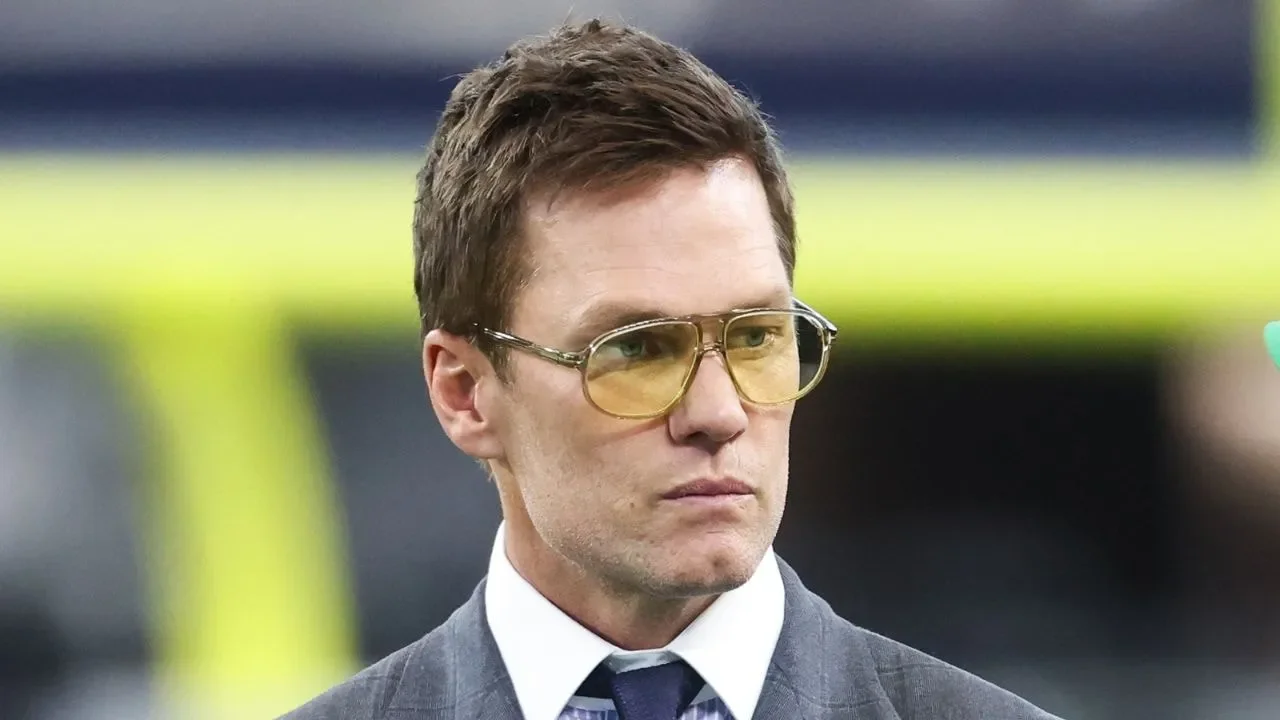
The Las Vegas Raiders finished the 2025 campaign in a state of institutional collapse, marked by a 2–10 record and mounting friction within the front office. At the center of this dysfunction sits minority owner Tom Brady, whose transition from athlete to decision-maker has attracted scrutiny regarding the extent of his operational control.
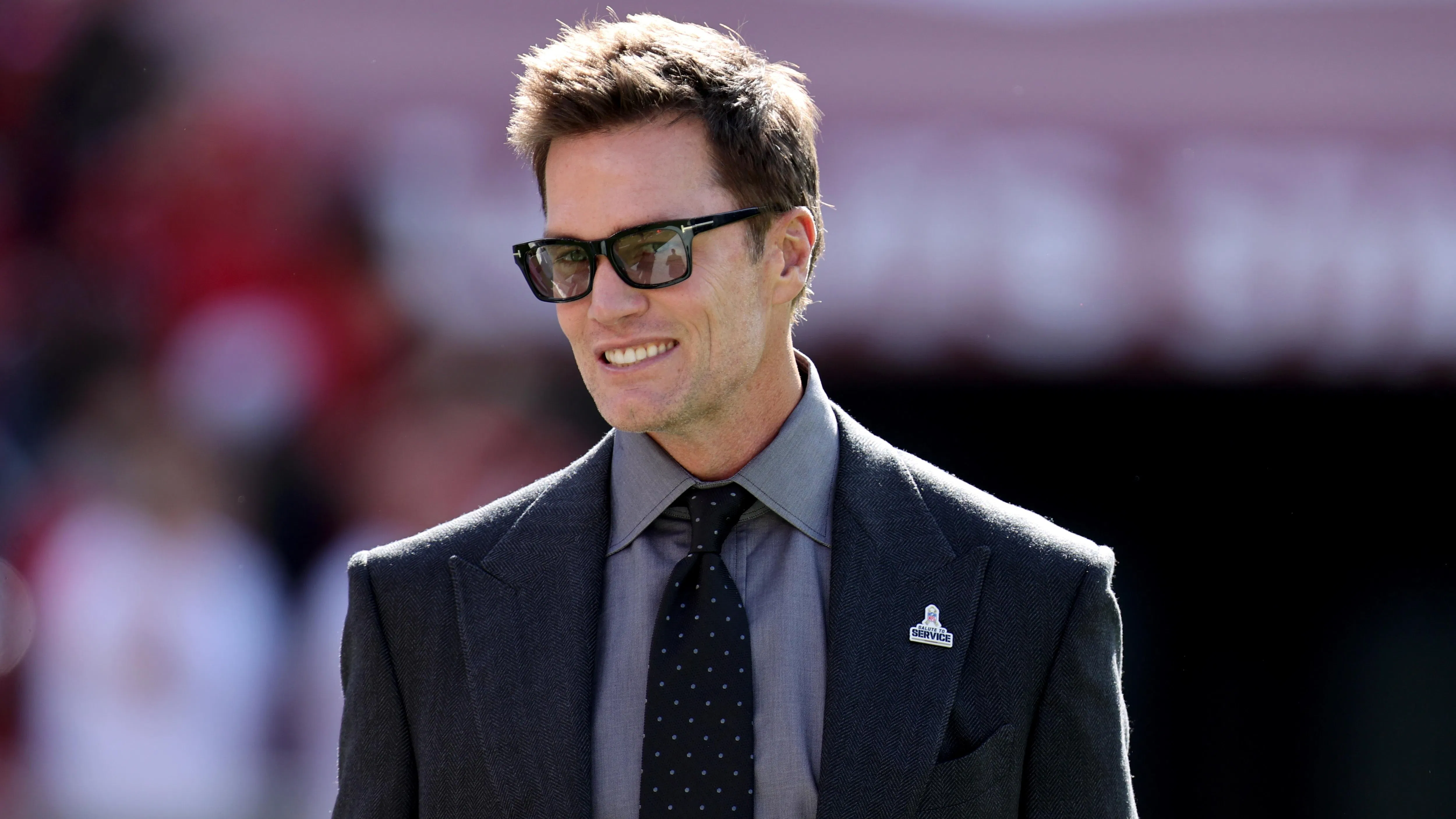
Brady’s fingerprints are reportedly present on the primary structural shifts of the off-season, including the dismissal of former head coach Antonio Pierce and general manager Tom Telesco. While industry observers initially framed his stake as a prestige investment, internal reporting suggests he serves as an active agent in high-level hiring and team vision.
| Decision/Entity | Impact of Brady's Influence |
|---|---|
| Coaching/Staff | Hires of Pete Carroll and Chip Kelly; dismissal of previous regime. |
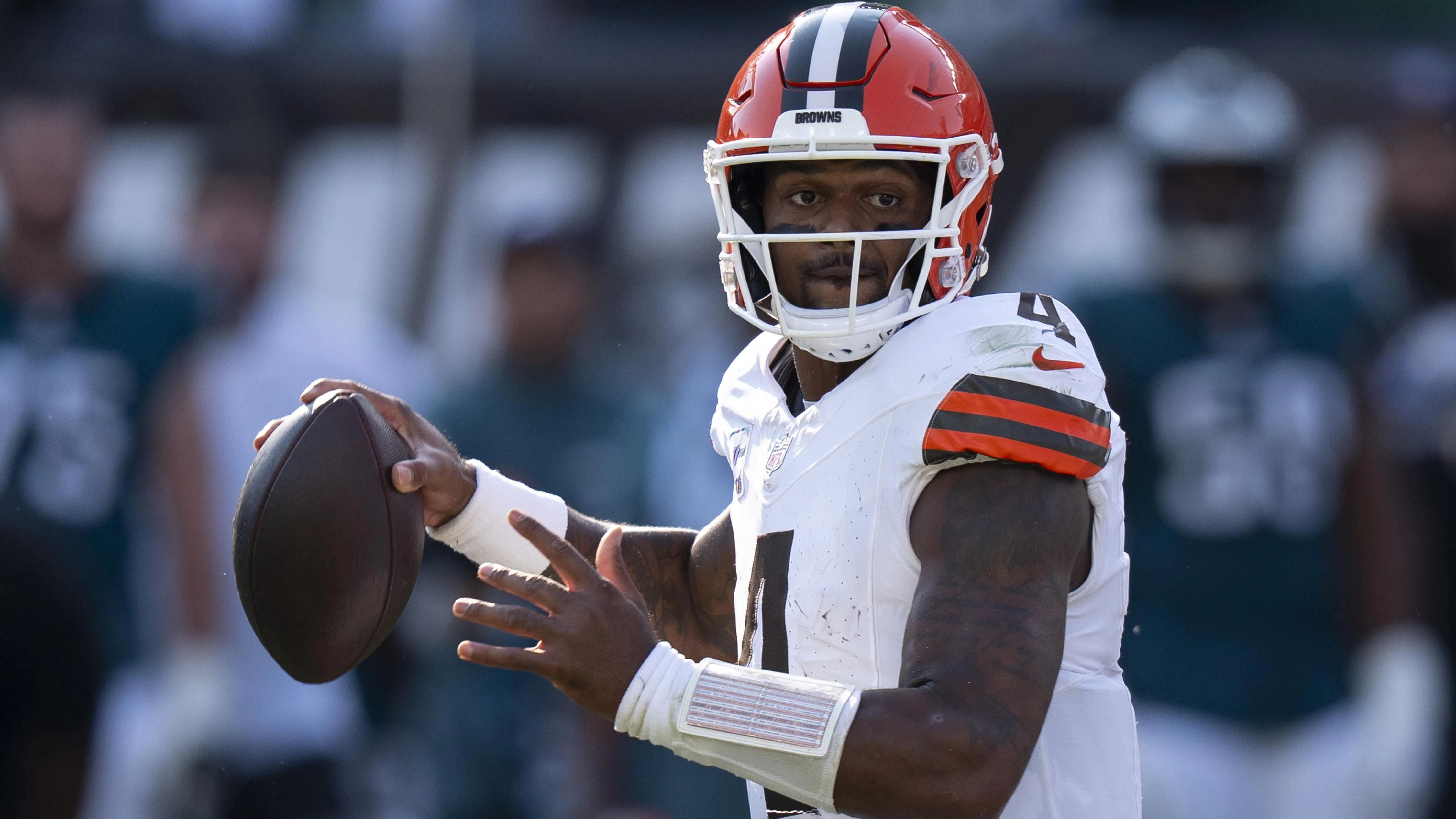
| Personnel | Acquisition of Geno Smith; attempted pursuit of Matthew Stafford. |
| Culture | Installation of Alex Guerrero as wellness coordinator; frequent team addresses. |
The Mechanics of Influence
The team’s struggle to manifest a "winning culture" has shifted public discourse from viewing Brady as an isolated shareholder to holding him responsible for the team’s current performance. His involvement is not limited to executive-level transactions; it extends into the day-to-day ecosystem of the building.
Read More: 2026 March Madness Round 2: Where to Watch Games on CBS, TBS, truTV, and Streaming
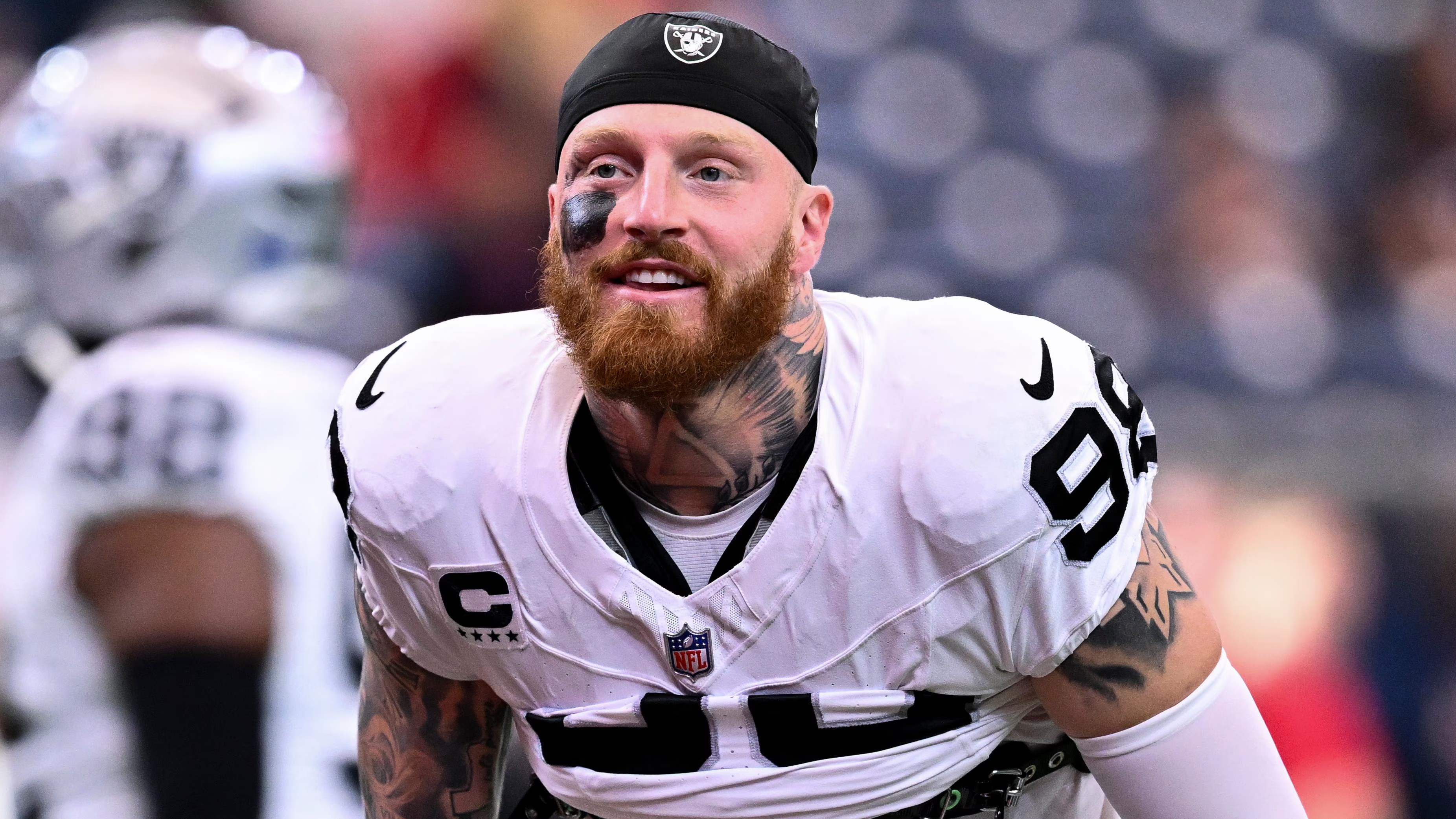
Direct Communication: Reports indicate daily interaction between Brady, owner Mark Davis, GM John Spytek, and staff members.
Wellness and Vision: The placement of Alex Guerrero, a longtime associate, into the role of wellness coordinator serves as a physical manifestation of Brady’s influence within the team's inner sanctum.
Dissonance: Despite efforts to project a clear organizational vision, the actual on-field results have exposed a significant gap between intended strategy and the final product.
Ownership vs. Accountability
The central tension of this investigation concerns the nature of minority ownership in modern professional sports. When an individual known for high-level autonomy enters the ownership class, the line between passive investment and active governance blurs.

Critics argue that Brady cannot claim the authority to reshape a front office while attempting to distance himself from the resulting record. By involving himself in the hiring of personnel—from the coaching staff down to the training room—Brady has transitioned from a celebrity asset to a central pillar of the franchise’s current reputation. As the season progressed, the narrative shifted from one of potential greatness to a stark critique of his stewardship, posing a question: Can an owner be separated from the collapse of a structure he helped design?
Read More: Taylor Decker Asks Lions For Release From Team After 10 Years


