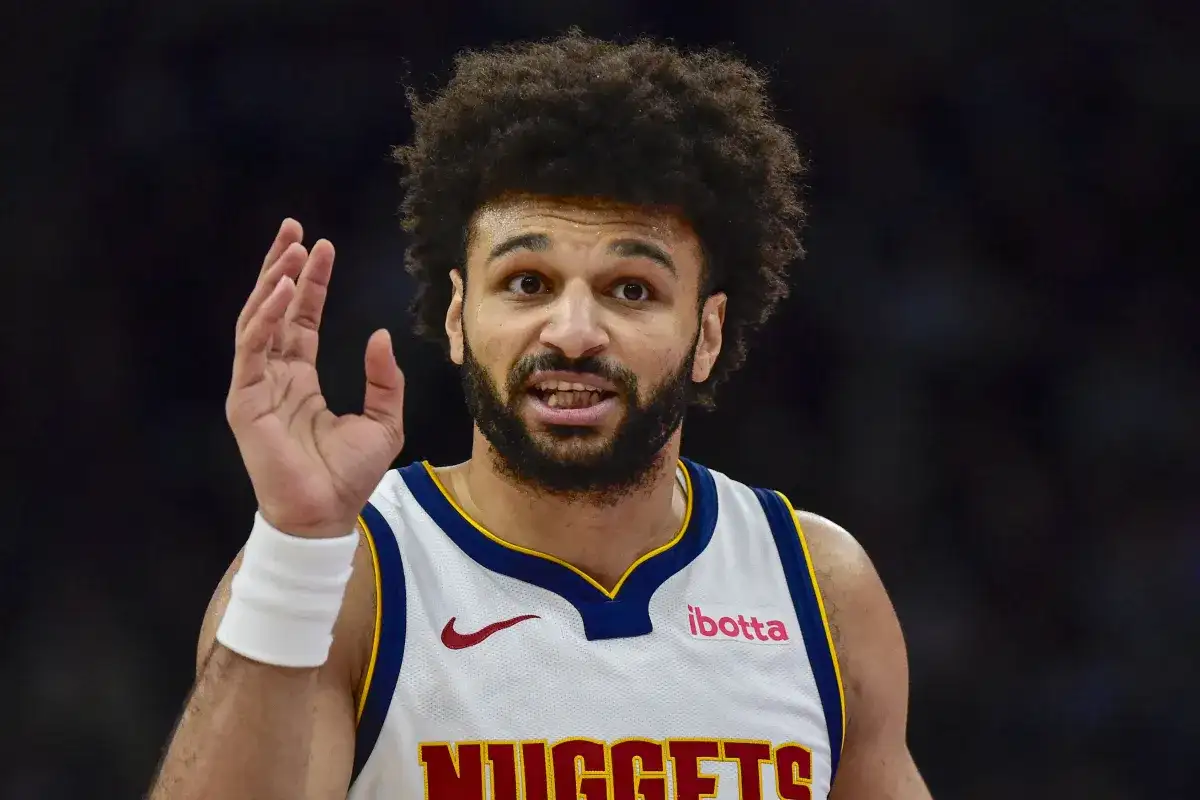
Minnesota Timberwolves Coach Chris Finch has voiced sharp discontent with the officiating disparity in his team's Game 1 loss to the Denver Nuggets, publicly musing whether his players should resort to exaggerated contact to draw fouls. This sentiment surfaced following the Nuggets' 16 free throws awarded to Jamal Murray in the initial contest, a figure Finch highlighted as disproportionate compared to his own team's combined nine free throws for top scorers Anthony Edwards and Julius Randle.
Finch’s remarks, delivered during a pregame media session on Monday, point to a broader frustration with what he perceives as a league-wide inclination for players to embellish contact when driving to the basket. He suggested that the current officiating standard seems to reward such theatrics, leaving players who absorb contact and play through it at a disadvantage. "Maybe we gotta start flopping too," Finch stated, as reported by Timberwolves reporter Dana Moore. This notion arises from a perceived disconnect where direct contact doesn't consistently result in whistles, while more demonstrative reactions appear to.
The Timberwolves as a team were afforded 14-19 free throws in Game 1, a stark contrast to Murray’s individual total. Finch’s commentary implies that his players’ straightforward approach to driving the lane is not yielding the same foul calls as their opponents’ more dramatic styles. This difference in free throw attempts, Finch argues, makes defending difficult, particularly when offensive players initiate contact by lowering their shoulders.

Read More: Knicks Beat Hawks 1-0 in Game 1 with Strong Defense
Background on the Criticism
This isn't the first instance of Finch expressing concern over perceived officiating patterns. Reports from May 21, 2025, indicate similar frustrations directed at Shai Gilgeous-Alexander and the Oklahoma City Thunder, suggesting a pattern of his team being unsettled by opponents’ foul-drawing abilities. The implication is that a focus on navigating these perceived officiating trends has, at times, detracted from the Timberwolves’ overall game, impacting their mental approach and consistency, particularly in the second half of games. The coach’s statements, therefore, seem to be an attempt to address what he sees as an systemic issue affecting the flow and fairness of play.