


Life Under Scrutiny
Theo Burrell, a ceramics expert from BBC's Antiques Roadshow, is navigating a challenging phase of her life, confronting a diagnosis of 'aggressive grade 4 glioblastoma'. Despite exceeding an initial prognosis of 12 to 18 months for the condition, Burrell recently articulated a sentiment of diminishing options. This comes as she prepares for personal milestones, including an upcoming wedding and her son's commencement of school, underscoring a complex interplay between personal events and grave health realities.
Burrell's situation highlights the stark reality of terminal diagnoses, where personal hopes and the constraints of medical science often collide. Her public statements serve not only as personal updates but also as a potent, if unintended, commentary on the broader landscape of cancer treatment accessibility and awareness.
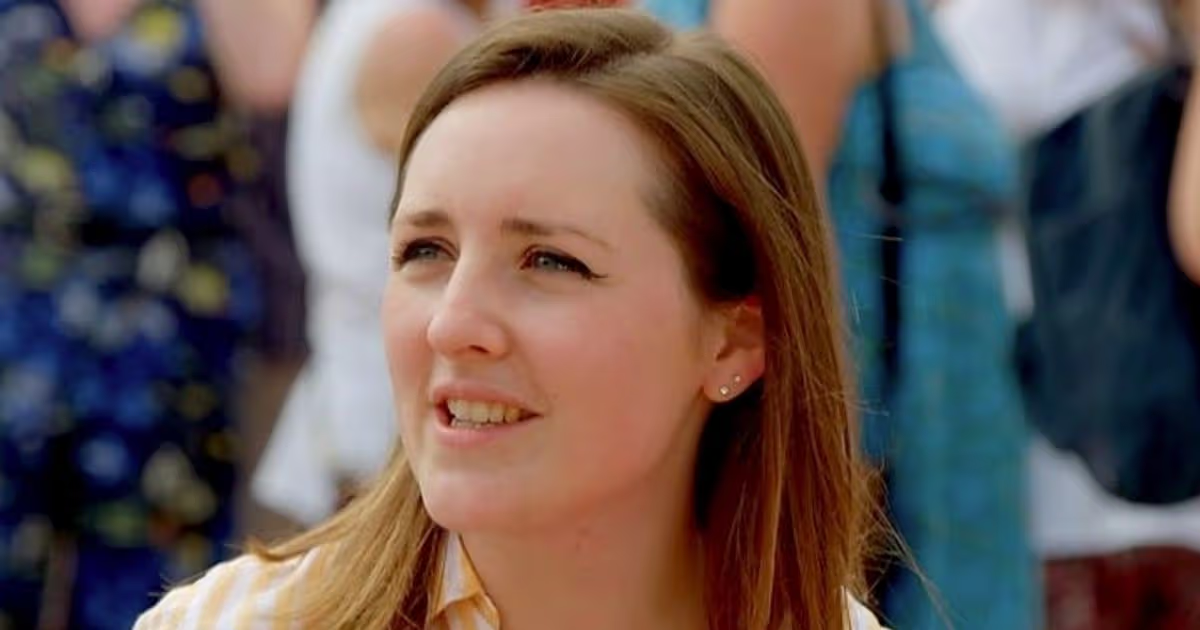
The 39-year-old has been actively engaged in advocating for increased awareness and research into brain tumors, a pursuit that appears to be a significant focus amidst her personal health challenges. Her efforts involve direct engagement with medical professionals, policymakers, and the wider 'brain tumour community'.
Read More: Women's Sex Therapy: Household Chores Kill Desire in NYC
The Weight of Time and Treatment
Recent statements from Burrell suggest a shift in her perspective regarding treatment pathways. An emotional admission regarding her "options running out" precedes her wedding, a juxtaposition of profound personal joy and existential uncertainty. This sentiment is compounded by the arduous nature of her treatment, which includes rounds of radiotherapy, leaving her feeling drained and experiencing various discomforts.
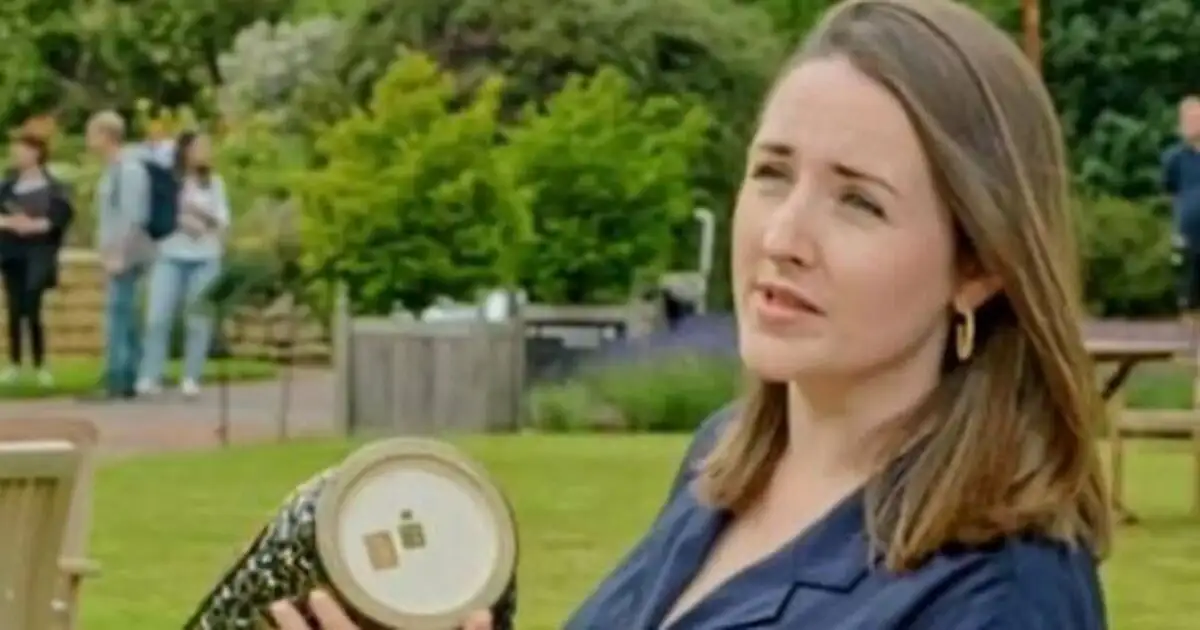
The process of obtaining a diagnosis itself was protracted, taking six months, a delay Burrell has openly criticized, highlighting potential systemic issues within healthcare. Her engagement with researchers and politicians underscores a drive to not only manage her own condition but also to influence systemic change for others facing similar battles.
The extended duration of Burrell's fight, having outlived her initial prognosis by nearly two years, presents a complex narrative. It offers a glimmer of hope for others but also underscores the unpredictable and often unforgiving nature of aggressive cancers. Her advocacy, therefore, carries the weight of personal experience and a broader call for improved outcomes.
Read More: UK State Pension to rise by £575 per year from April 2026 for new pension holders

A Personal Chronology of Resilience
Burrell, from East Lothian, Scotland, first received a prognosis of three months to live three years ago, contingent on surgery for her glioblastoma. Since then, she has consistently provided updates on her condition, often framing them with a degree of stoicism and gratitude. These updates, shared across social media platforms, reflect a commitment to transparency and a desire to connect with those who follow her journey.
Her public sharing includes expressions of solidarity with others undergoing treatment, acknowledging the shared anxieties surrounding scans and results. While some updates have indicated periods where "no active cancer cells are rearing their ugly heads" and treatments like Temozolomide continue to be effective, the overarching reality remains one of managing a terminal illness.

The articles also touch upon the emotional toll, with Burrell expressing 'anger at the lack of treatment options and anger because of the hardship this disease has brought upon my family.' This multifaceted portrayal reveals the deeply personal impact of her diagnosis, extending beyond the clinical to encompass familial and emotional well-being.
Read More: Global unrest and trade tariffs may cause drug shortages in UK until June
Background Context
Glioblastoma, the form of cancer Burrell is battling, originates in the brain or spinal cord and is known for its aggressive nature and potential to spread. The typical life expectancy for patients diagnosed with this condition is generally cited as 12 to 18 months, a timeframe Burrell has already surpassed. Her journey, therefore, has been one of navigating an illness under conditions that have, in her own words, already defied the typical trajectory. Her public profile, amplified by her role on a well-known BBC program, has provided a platform for her to raise awareness about brain tumour research and the challenges faced by patients within the healthcare system.