Recent events in Telangana have cast a stark light on the volatile intersection of official duties and social media expression, sparking public debate and drawing scrutiny from various quarters. Incidents involving law enforcement personnel and political figures on platforms like TikTok and X (formerly Twitter) highlight a complex landscape where personal conduct, political expression, and public perception collide.
Officials Under Fire for Online Antics
A wave of criticism has surfaced concerning a constable who allegedly created a social media reel involving the Chief Minister's security detail. The specifics of the reel and the constable's involvement remain subjects of intense discussion. This incident follows closely on the heels of other social media-related controversies involving state officials.
Broader Pattern of Digital Disruption
The constable's reported actions echo a recent incident where a man in Narayanpet issued a public apology after using police vehicles as props for social media videos. The individual, identified as D Ashok, climbed onto a police vehicle at the Utkoor police station, a move that drew the attention of law enforcement. Similar incidents underscore a perceived pattern of individuals exploiting official symbols for online content.
Read More: Trump Uses Taylor Swift Wedding Buzz For Campaign
Political Posturing and Social Media
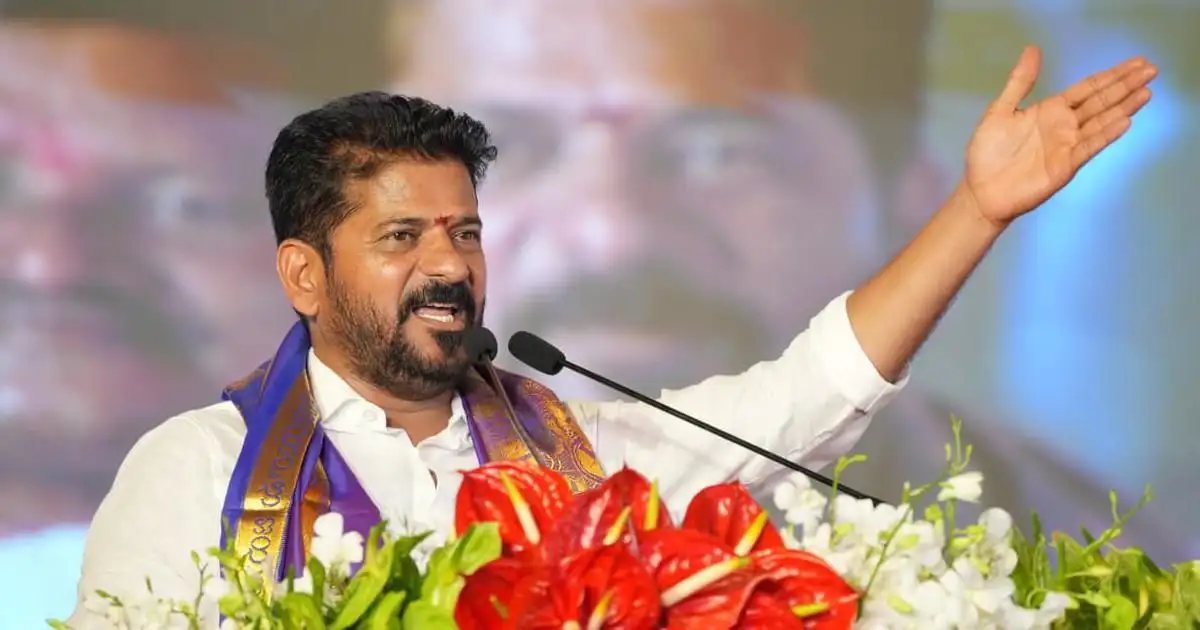
The digital realm has also become a battleground for political discourse. In December 2025, the Telangana BJP social media team faced legal action over a poster critical of Chief Minister Revanth Reddy. The poster, which targeted the CM's two-year performance report, led to the registration of cases against BJP social media members, including the team's in-charge. This prompted accusations from BJP leaders of an "attack on free speech" and an "Emergency mindset." Police, however, maintained that notices were issued and no arrests were made at the time.
Read More: FBI Analysts Review Georgia 2020 Election Data in Fulton County
Judicial Scrutiny and Official Conduct
These controversies arrive amidst broader legal pronouncements on social media conduct. In February 2026, the Supreme Court upheld guidelines from the Telangana High Court aimed at protecting political speech online. The court's stance emphasized that police should refrain from automatically registering cases related to harsh political commentary, differentiating between criticism and incitement.
The court's decision indicated that certain forms of criticism, even if sharp, might fall outside legal definitions of intentional insult or public mischief, provided there is no imminent threat of disorder.
Blurred Lines of Respect and Authority
Elsewhere, public discourse has been fueled by images and narratives that question professional boundaries. A separate report highlighted a bureaucrat whose act of touching a minister's feet drew criticism, framed as a lapse in the expected conduct of public servants who are constitutionally accountable. This incident, though distinct, contributes to a wider conversation about decorum and the perception of deference within the state's administrative and political structures.
Background: Navigating the Digital Public Square
The repeated instances of officials and citizens engaging in controversial social media activities in Telangana reflect a larger societal shift towards digital platforms as arenas for expression, protest, and performance.
Read More: WhatsApp adds usernames to hide phone numbers from April 7, 2026
Early 2025: Reports indicated a broader crackdown by Telangana police on what they deemed "vulgar social media content." The investigative reporting of Sudhakar Reddy Udumula has previously shed light on sensitive societal issues, including agrarian crises and extremism, indicating a media landscape that engages with deep-seated challenges.
Late 2025: The aforementioned incidents involving D Ashok and the BJP social media team brought the issue of social media misuse by ordinary citizens and political actors to the fore.
Early 2026: The Supreme Court's validation of the Telangana High Court's guidelines on political speech suggests an ongoing effort to delineate the boundaries of online expression, particularly in the political sphere. This legal framing aims to prevent the stifling of dissent while addressing potential harms.
January 2026: A fact-check debunked the false attribution of an image, highlighting the ease with which misinformation can spread regarding police officials. The circulation of an image of DCP S Chaitanya Kumar falsely linked to a deceased constable demonstrates the challenges in verifying information in the digital age.