
Recent indications suggest a complex evolution in the state of adolescent well-being, moving away from the pronounced post-pandemic anxieties that dominated earlier years. While some indicators point towards a degree of improvement, a deeper examination reveals ongoing pressures and evolving developmental landscapes.

The critical period of adolescence, typically spanning ages 13 to 18, is marked by significant biological, psychological, and social transformations. These years involve the onset of puberty, marked by physical changes such as the appearance of pubic hair and breast development in girls. Concurrently, teenagers begin to grapple with abstract thinking, planning for their futures, and an amplified social pressure to conform within peer groups. This developmental stage often involves heightened emotional expression and can lead to conflict within family dynamics as young people assert independence and question established norms.
Read More: New understanding: Why people bite skin around nails is a brain habit

"The teen years bring many changes."
The narrative surrounding teen stress, as discussed by experts, highlights a disconnect where young people may experience distress despite seemingly supportive environments, with factors like sleep deprivation and the pervasive influence of social media exacerbating these feelings. This underscores the multifaceted nature of adolescent mental health, where external circumstances interact with internal developmental processes.
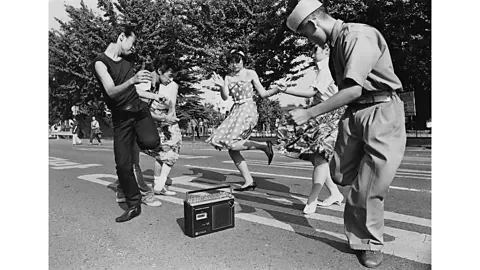
Navigating the Adolescent Landscape
The teenage years are characterized by a push-and-pull between burgeoning independence and the need for guidance. Parents and caregivers are encouraged to engage with their teenagers' interests and actively show interest in their world, even when met with resistance. Open communication about both aspirations and concerns is advised, alongside fostering critical thinking and skepticism. Discussions about the implications and limitations of technology, including artificial intelligence, are also presented as beneficial strategies for supporting teenagers through this phase.
Read More: Families' Silence on Suicide Risks Lives, Experts Warn

"Show interest in their world, even when they push you away."
Historically, societal attitudes towards young people have shifted, with a reduced emphasis on duty to parents and a greater acknowledgment of individual wishes and values. This has contributed to a prolonged period of transition into full adulthood, with young people potentially delaying entry into the world of work.
Puberty's onset varies.
Social pressures intensify.
Abstract thought develops.
The landscape of adolescent well-being is not monolithic. While overarching trends may indicate shifts, the individual experiences of teenagers remain deeply influenced by a confluence of biological maturation, cognitive development, social pressures, and the evolving digital environment.