Disagreement on Dress: An Evolving Adolescent Landscape
Recent discourse circles around the imposition of specific clothing, particularly dresses, upon teenage girls, raising pointed questions about agency and conformity. In one instance, a parent grappled with a restaurant's engagement party hosts suggesting a 16-year-old daughter, more comfortable in trousers, should don a dress. The implication here is a rigid expectation that adolescents should adhere to prescribed sartorial norms, even when those norms clash with personal comfort or identity. This scenario, juxtaposed with the perceived influence of pop culture like 'Bridgerton', highlights a disconnect between social expectations and the reality of teenage self-expression, suggesting that alternatives like declining invitations and sending gifts are viable responses when faced with uncomfortable dress mandates.
Educational Institutions and the Dress Code Conundrum
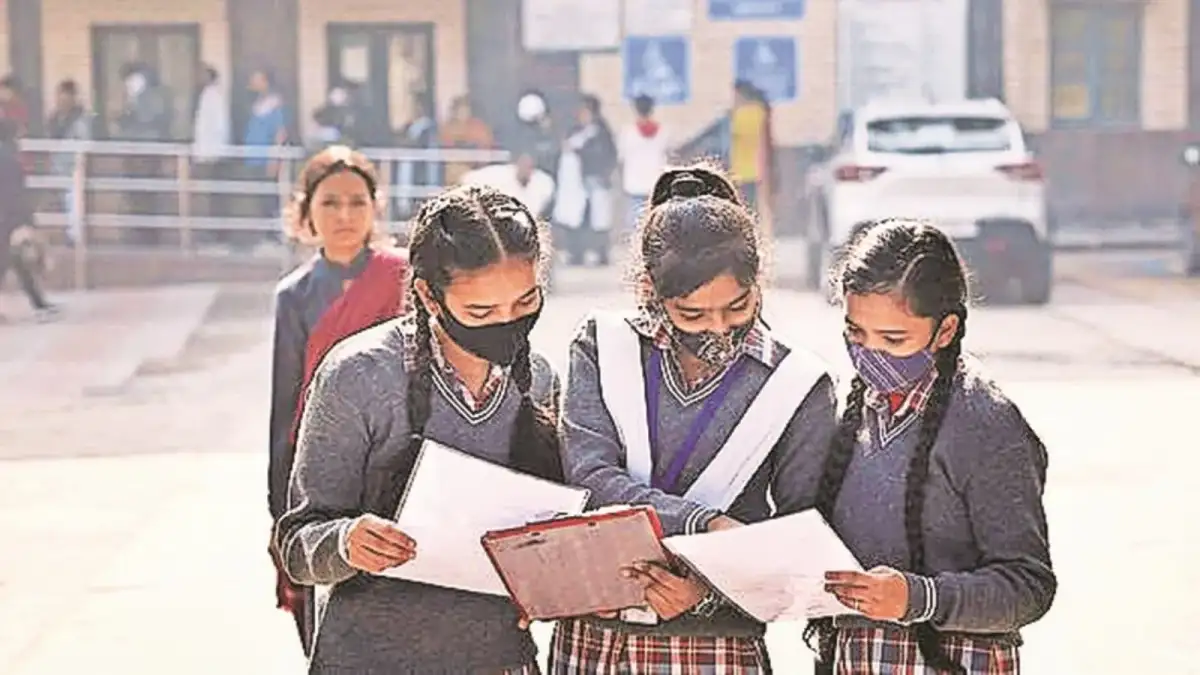
Beyond social gatherings, the educational sphere reveals a more systemic engagement with dress codes, often framed as instruments of discrimination. Civil rights organizations have actively challenged school dress codes, particularly those targeting "gender-defying appearances." These codes, in the view of critics, disproportionately affect girls and divert administrative focus from pressing educational and mental health concerns exacerbated by pandemic-related learning disruptions. The argument persists that schools should revise or eliminate these regulations, as they can lead to students losing valuable class time over what is perceived as discriminatory enforcement.
Read More: NYC Subway Police Cases Rise for Sleeping
The Questionable Foundation of Uniformity
The debate over mandatory school uniforms, a long-standing point of contention, further complicates the conversation on prescribed attire. The assertion that strict dress codes, including uniforms, effectively silence student voices is gaining traction. Proponents of uniforms often cite the erasure of socioeconomic differences as a key benefit, yet this claim faces scrutiny. The underlying principle questioned is whether enforcing uniformity truly achieves its intended goals or merely serves as a tool for control, potentially acting as a mechanism for discrimination rather than an equalizer.
Contextualizing the Garment Gauntlet
The recurring theme across these discussions is the tension between external expectations and individual autonomy, particularly concerning adolescents. Whether in the context of social events or educational institutions, the imposition of specific clothing choices, especially dresses for girls, is being re-examined. The critique suggests that such mandates can stifle personal expression, enforce outdated social norms, and, in the case of schools, become grounds for inequitable disciplinary actions. The underlying arguments point towards a need for greater consideration of adolescent comfort, identity, and the potential for dress codes to perpetuate rather than alleviate social and systemic issues.
Read More: NEET Exam Cancelled Due to Paper Leak, Students Protest Across India