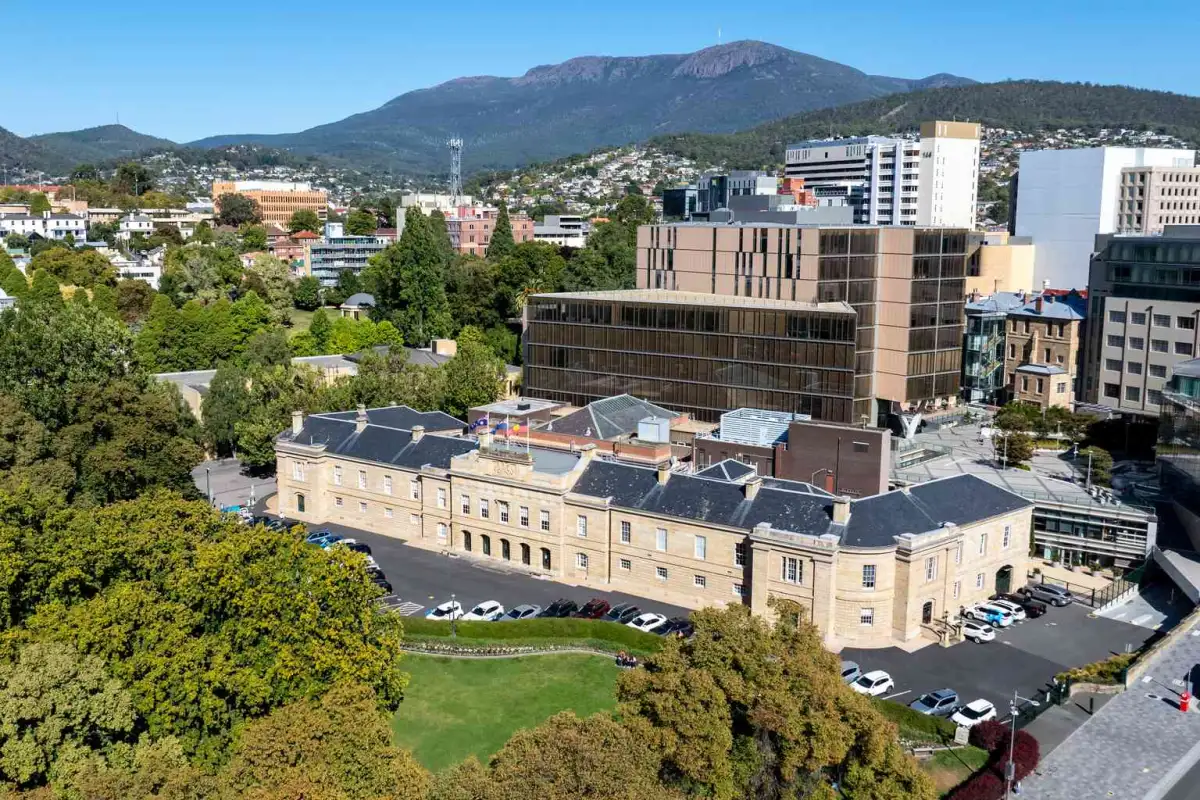
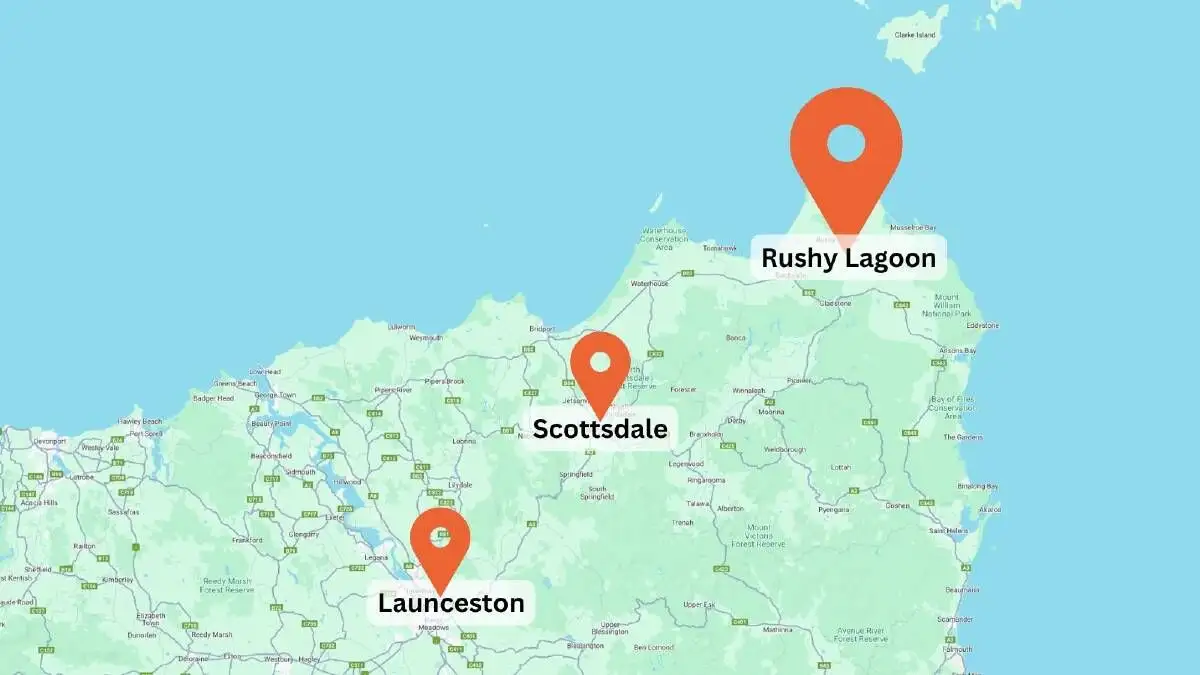
The Pye family is offloading Rushy Lagoon, a 22,000-hectare stretch of Northeast Tasmania, for a price tag expected to climb past $100 million. This is not merely a transfer of dirt; it is a pivot in how the landscape is valued. UK-based asset manager Gresham House, which handles roughly $7 billion in Forestry assets, is the primary suitor.
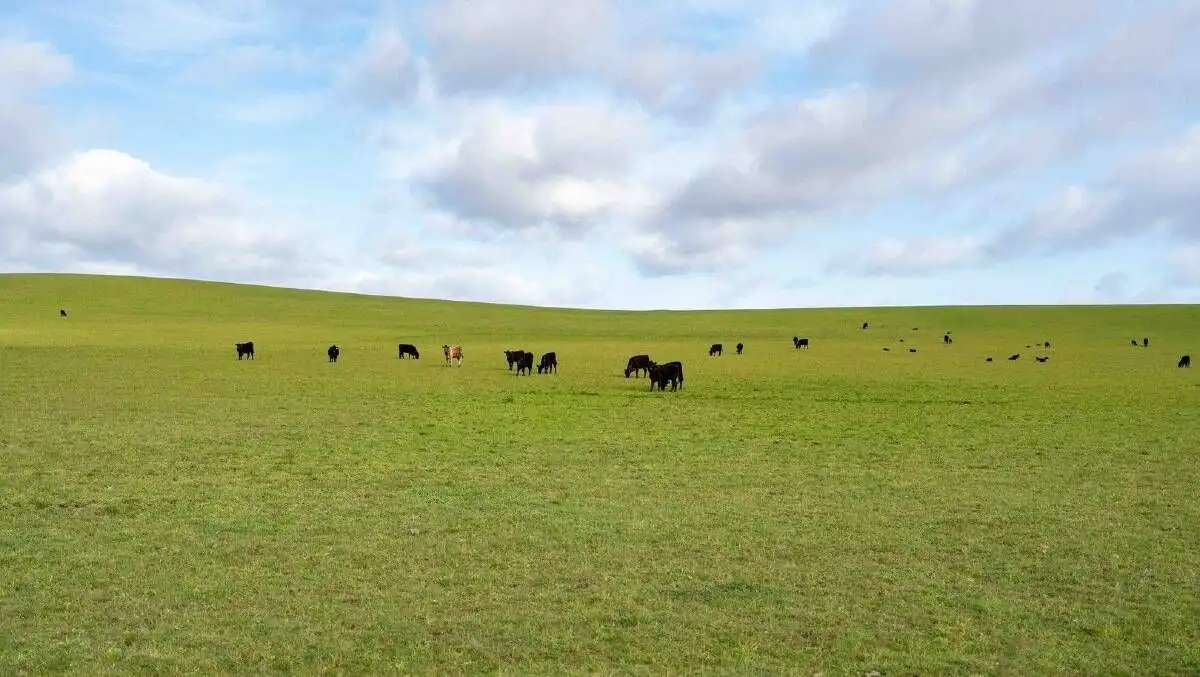
"Investors were looking at a farm's potential for carbon and renewable energy projects," says Michael Warren of Nutrien Harcourts Tasmania.
The transaction signals a shift from tangible food production—meat and wool—to the abstraction of biodiversity credits and carbon offsets.
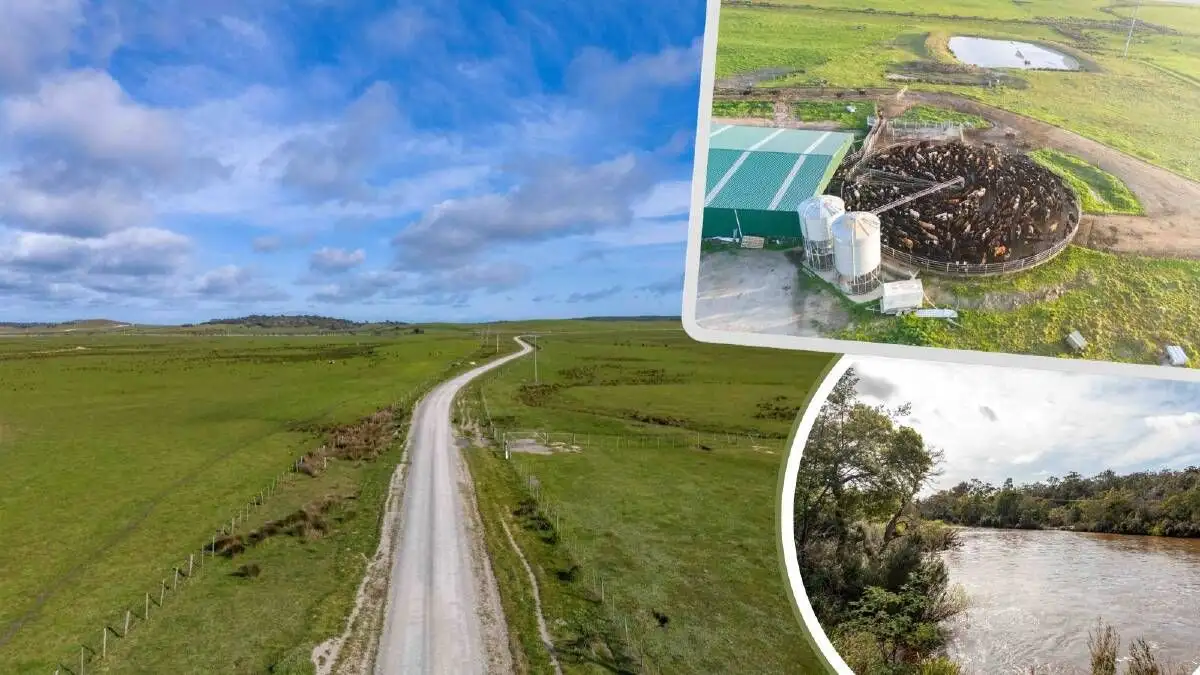
The property currently supports roughly 55,000 sheep and 8,500 cows.
Gresham House intends to integrate the land into Australia’s Nature Repair Market.
Plans include harvesting timber while generating revenue through ' Carbon Credits ' and biodiversity math.
ACEN Australia is already eyeing the site for a major wind power installation.
The Asymmetry of the Hedge Fund Spree
Local operators find themselves priced out by the long-term horizons of global Hedge Funds. Where a traditional farmer calculates yield by the seasonal weight of a lamb, these new buyers calculate value by the ten-year inflation of environmental permits. The Foreign Investment Review Board (FIRB) now holds the power to decide if this massive chunk of Tasmanian soil becomes a "carbon sink" or remains a food source.
Read More: New Wheat Makes Bigger Starch for Food and Industry
Shift in Land Utility
| Feature | Historic Use (Pye Family) | Proposed Future (Gresham House/ACEN) |
|---|---|---|
| Primary Output | Beef, Wool, Potatoes | Timber, Carbon Credits, Wind Energy |
| Workforce | Shearing sheds (20-stand), Dairy crews | Forestry technicians, Turbine engineers |
| Value Driver | Agricultural Commodity Prices | Nature Repair Market, Renewable Credits |
| Landscape | Grazing pastures, 100-tonne silos | Planted forests, Wind turbines |
The End of the Potato King's Reign
The late Allan Pye, a New Zealand businessman who built a fortune on potatoes, acquired Rushy Lagoon and the neighboring East Wyambi to create a sprawling agricultural empire. Following his death earlier this year, the property returned to a market that no longer values it solely for its topsoil.
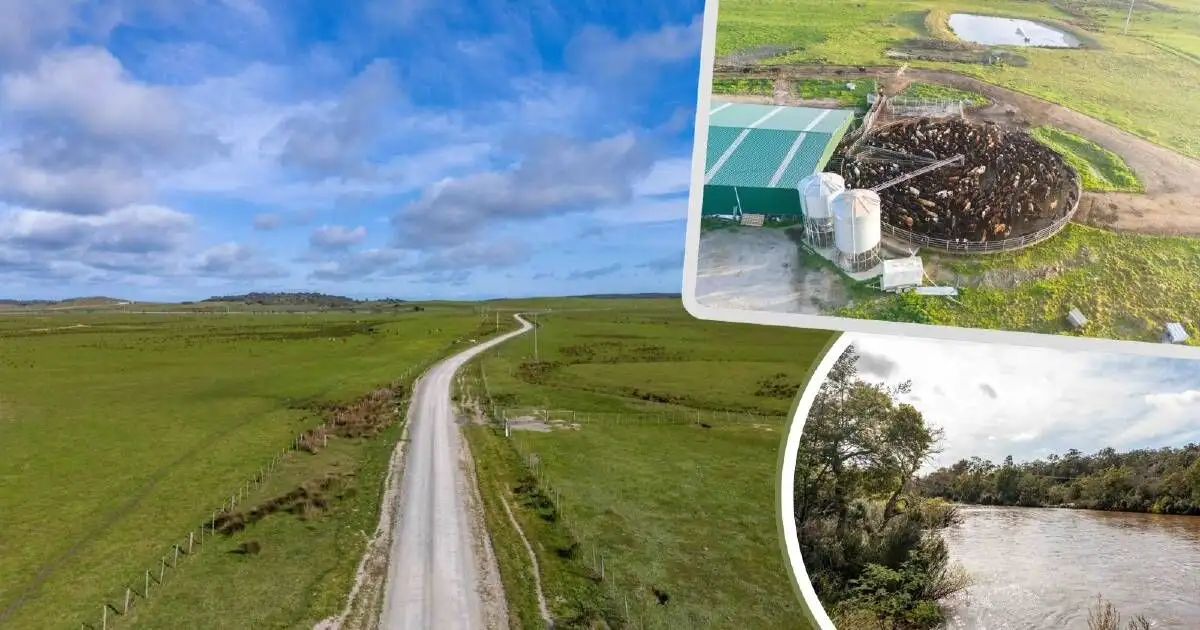
The physical infrastructure—a five-stand shearing shed, cattle yards, and two five-bedroom homes—now serves as a backdrop for speculative climate investment.
Locals fear the "new normal" where the price of land is untethered from what it can grow in a furrow. Instead, the price is dictated by how much Carbon it can pull from the sky to balance the ledgers of distant corporations. This is the lumpy, uneven reality of the modern land grab: the dirt stays the same, but the purpose is rewritten in a boardroom in London.
Read More: Neil the Seal Blocks Roads in Tasmania, Weighs 1000kg