

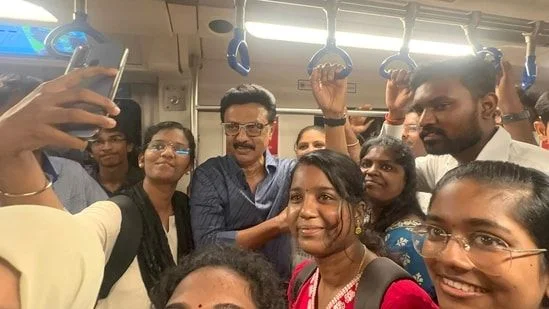
Tamil Nadu Chief Minister M.K. Stalin has intensified his campaign for the upcoming assembly elections, employing a multi-pronged strategy that blends direct voter interaction with pointed critiques of national governance. Stalin's campaign circuit, spanning various districts and modes of transport, signals a push for broad engagement as the April 23 election date approaches.
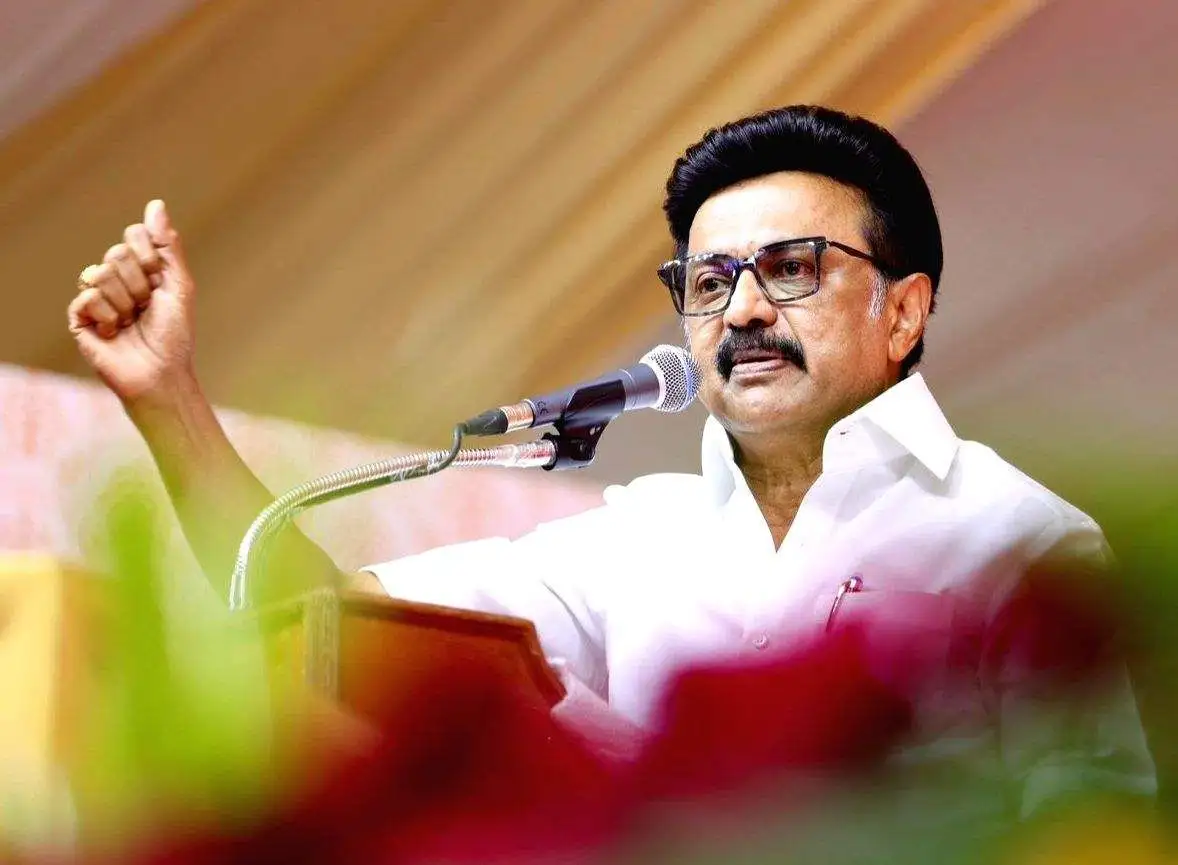
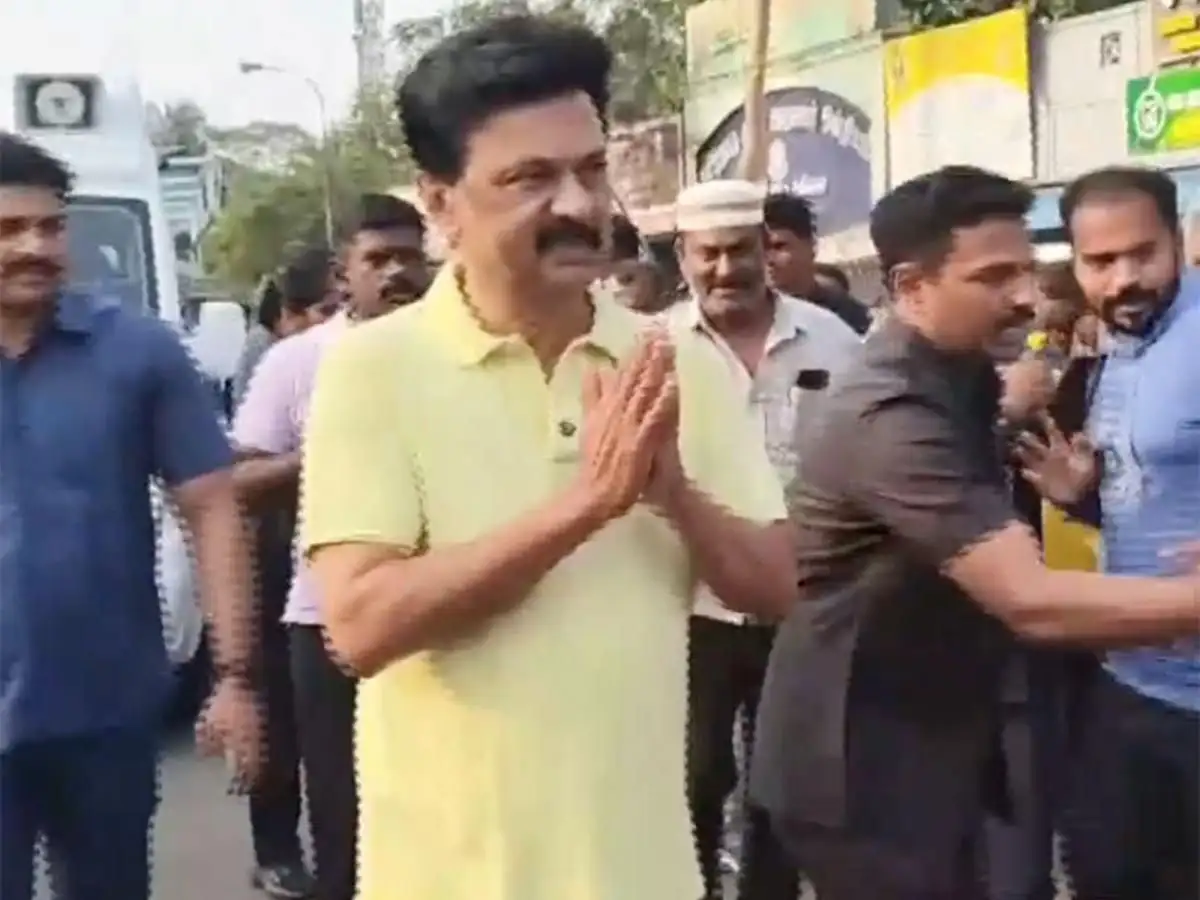
Stalin's campaign activities prominently feature morning walks in different localities, where he directly engages with residents, shares tea, and holds informal conversations. This approach has been observed in areas such as K.V. Kuppam, Sirkazhi, Tiruvannamalai, Ramanathapuram (specifically Paramakudi), Kanniyakumari, and Pudukottai (Iluppur).
Diverse Campaign Tactics
Beyond these personal excursions, Stalin has also incorporated more visible public transit into his outreach. Notably, he rode the Chennai Metro to interact with commuters, a move positioned as a unique campaign step that gathered support and allowed him to highlight the government's welfare programs. This aligns with a broader strategy that combines promises of continued welfare initiatives with direct public engagement.
Read More: Taiwan Holds Nantou County Drills to Prepare for State Collapse

Electoral Arithmetic and Alliances
The campaign is characterized by a deliberate phasing, with the fifth phase set to commence in Tiruvallur on April 13. This structured approach aims to systematically cover all regions, maximize voter engagement, and communicate party achievements and future plans. During these phases, Stalin is expected to actively campaign for DMK and alliance candidates, reinforcing grassroots presence.
Criticisms and Counter-Narratives
Concurrently, Stalin has voiced strong criticism of the Bharatiya Janata Party (BJP)-led Central government. His concerns encompass minority rights, federal funding, and the proposed three-language policy, which he argues undermines Tamil Nadu's interests. He has also questioned the accountability of BJP ministers and Chief Ministers visiting the state, demanding answers on issues affecting its people. Further, he has accused the BJP of attempting to reduce Tamil Nadu's political representation through the proposed women's reservation, linking it to broader threats to state rights alongside policies like 'One Nation One Election' and GST hikes.
Read More: Kanyakumari Atomic Mining Permit Extended for 1144 Hectares in 2026
Conversely, Tamilisai Soundararajan, a BJP candidate, has criticized the DMK government, specifically highlighting poor infrastructure in the Mylapore constituency. She has defended central government schemes and accused Stalin of misleading voters, vowing a stronger campaign push with visits from senior BJP leaders.
Election Landscape
The Tamil Nadu Assembly elections are scheduled for a single phase on April 23, with vote counting set for May 4. The electoral contest appears to be a significant undertaking for Stalin, particularly in constituencies like Kolathur, where he faces a potential three-way fight.
Historical Context
Stalin's political trajectory began at a young age, participating in party functions from 13. He has held various significant positions, including Chennai Mayor and Deputy Chief Minister, before ascending to his current role as Chief Minister. This election cycle sees him not only defending his party's performance but also navigating a complex political landscape, with family dynamics, such as the political aspirations of his son Udhayanidhi Stalin, also forming a part of the broader narrative.
Read More: FBI Analysts Review Georgia 2020 Election Data in Fulton County







