The upcoming T20 World Cup faces significant challenges as team participation and match integrity come under scrutiny. Recent events suggest a complex interplay of logistical issues, political considerations, and player disputes, raising questions about the tournament's stability and the fair conduct of the sport. The situation has led to strong reactions from former players and public figures, highlighting the high stakes involved.
Pakistan's Participation in Doubt
Weeks before the T20 World Cup 2026, scheduled to begin on February 7, Pakistan's participation remained uncertain. The Pakistan Cricket Board (PCB) had not yet officially confirmed their presence. This uncertainty stemmed from an agreement for Pakistan to play matches in Sri Lanka, even if they progressed to the latter stages of the tournament. This arrangement was part of a "hybrid model" that Pakistan had reportedly agreed to previously.
Timeline: The T20 World Cup is set to run from February 7 to March 8, 2026.
Key Issue: Pakistan's participation hinges on a "hybrid model" involving matches in Sri Lanka.
Dissenting Voices: Former Indian cricketer Irfan Pathan described the situation as "utter nonsense," questioning Pakistan's stance after agreeing to the initial plan.
Political Influence and Boycott Threats
The controversy surrounding the India versus Pakistan match escalated beyond the sports field, with political factors overshadowing cricketing values. Shashi Tharoor called for the situation to be "called off" and described it as "disgraceful." He urged all involved parties to engage in dialogue to prevent further escalation.
Read More: Australia T20 Cricket Team Success Ignored by Media
Tharoor's Stance: Advocated for dialogue and intervention by the ICC to find a mutually acceptable solution.
ICC's Role: The International Cricket Council (ICC) stated it expects the PCB to find a resolution that protects the interests of all stakeholders.
Unifying Force: Tharoor emphasized cricket's potential to unite and stressed the need for immediate engagement.
Bangladesh's Withdrawal
Bangladesh also faced repercussions for missing the global ICC event, risking competitive and financial setbacks. A rapid "U-turn" by Asif Nazrul intensified questions about who was responsible for the country's decision to withdraw from the T20 World Cup.
Consequences: Missing the tournament leads to competitive and financial disadvantages for Bangladesh.
Internal Scrutiny: Questions arose regarding the decision-making process within Bangladesh, particularly after Asif Nazrul's change of stance.
Security Concerns: The government's intervention in cricket participation was reportedly triggered by security concerns.
Accusations of Unfair Play
Allegations of manipulation and unfair advantage have surfaced, questioning the integrity of match conduct. Former Pakistan cricketer Ejaz Hafeez Bakht suggested that Rohit Sharma, the Indian captain, might be exploiting home-ground advantages through his coin-tossing strategy.
Specific Claim: Bakht alleged that Rohit Sharma intentionally throws the coin far from other captains during the toss.
Implied Motive: The suggestion is that India might be using this tactic to gain an unfair advantage.
Public Reaction: Indian cricket fans largely dismissed these claims on social media as jealousy, linking them to Pakistan's past performance.
On-Field Upsets and Team Performance
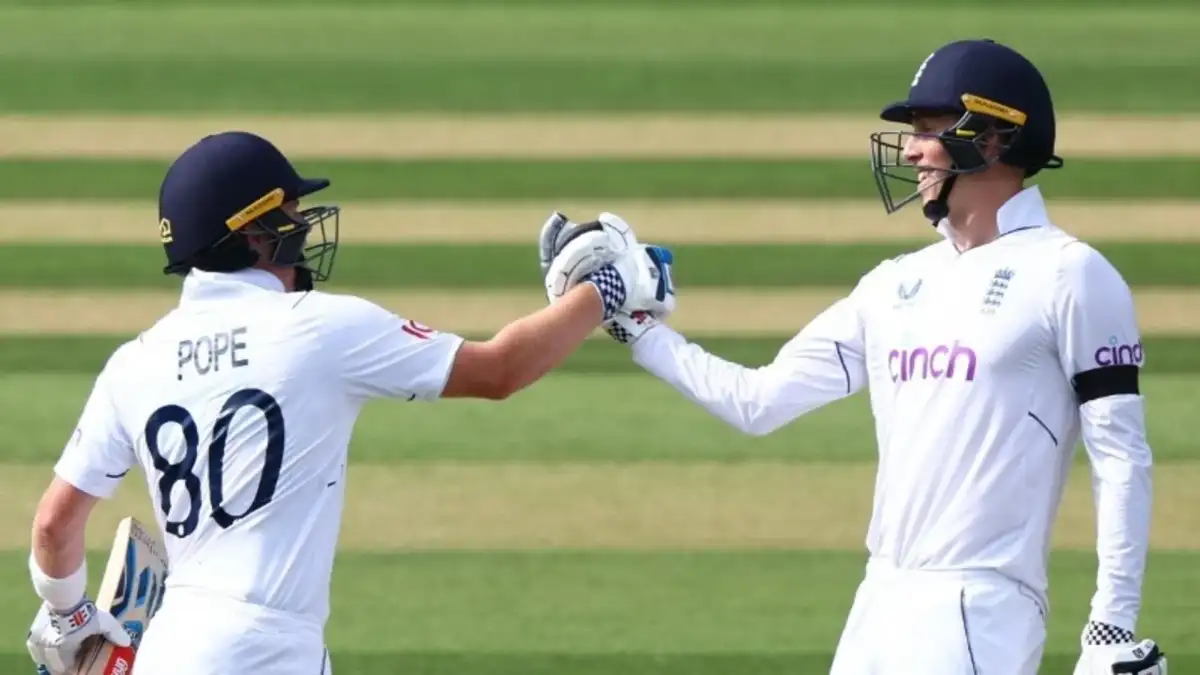
The tournament has also witnessed unexpected results on the field, exposing potential weaknesses in established teams. England experienced a significant defeat, termed a "boilover," highlighting issues in their performance.
Read More: Ghana plays Wales before World Cup, Lewis Koumas debuts
England's Defeat: England suffered a substantial loss, with the West Indies exposing underlying problems in their strategy.
West Indies Performance: Key players like Rutherford and Jason Holder played crucial roles in their team's recovery and strong finish.
Bowling Performance: Rashid was noted as a strong performer for England, taking wickets efficiently.
Expert Analysis
Irfan Pathan, former Indian cricketer, expressed strong disapproval of Pakistan's actions regarding their participation in the T20 World Cup. He stated, "This is absolutely utter nonsense from Pakistan," questioning the rationale behind creating issues after agreeing to a hybrid model and playing in Sri Lanka.
Shashi Tharoor, a public figure, reacted strongly to Pakistan's potential boycott of a match against India, calling it "nonsense" and "disgraceful." He emphasized the need for dialogue and suggested the ICC facilitate a resolution to prevent the situation from escalating.
Conclusion and Implications
The T20 World Cup 2026 is currently marked by significant controversies that extend beyond the boundaries of sport. Pakistan's participation remains uncertain, influenced by a complex logistical arrangement and potential political considerations. Bangladesh's withdrawal has introduced further disruption, raising questions about internal decision-making processes and potential negative consequences for their cricket.
Read More: England Cricket Captaincy: Harry Brook Leads Race After Stokes Quits
Furthermore, allegations of unfair play related to coin tosses and on-field upsets exposing team vulnerabilities add layers of concern regarding the tournament's integrity and competitive balance. The involvement of former players and public figures in voicing their opinions underscores the high level of scrutiny and the emotional investment in these events.
Key Uncertainties: Pakistan's confirmation of participation and the resolution of the India-Pakistan match dispute remain critical.
Broader Impact: These issues could affect the ICC's reputation and the overall spirit of international cricket.
Next Steps: Active dialogue between the PCB, ICC, and relevant governments, alongside transparency in decision-making, will be essential to navigate these challenges and ensure a fair and stable tournament.
Sources Used
NDTV: Reports on Irfan Pathan's criticism of Pakistan's T20 World Cup stance.
Timesnownews: Covers Irfan Pathan's comments on Pakistan's potential pullout from the T20 World Cup.
CricTracker: Details Shashi Tharoor's reaction to Pakistan potentially boycotting a match against India in the T20 World Cup.
Fox Sports Australia: Reports on England's unexpected loss in the World Cup and the performance of the West Indies team.
Zeenews: Discusses Bangladesh's withdrawal from the T20 World Cup 2026 and the controversy surrounding the decision.
Firstpost: Features claims made by a former Pakistan cricketer regarding Rohit Sharma's coin-tossing strategy.