Sydney, Australia – A 58-year-old man has been charged with two counts of destroying or damaging property and two counts of intentionally marking a premises, following a second incident of graffiti vandalism at the Sydney office of Transport Minister Jo Haylen within a week. Detectives arrested the man on Wednesday morning, seizing a spray can. He was denied bail and is scheduled to appear in Newtown Local Court. This latest incident marks the fifth time Ms. Haylen's Marrickville office has been targeted with graffiti since last year.
The repeated defacement of a government official's office underscores a persistent tension between expressions of dissent and the state's control over public and private spaces.
A Pattern of Defacement
The charges stem from two separate incidents where graffiti appeared on the front of the Minister's office. The latest arrest occurred around 10 am on Wednesday. Police have stated the man was caught in the act during the second instance of vandalism.
Read More: Third Teen Charged in Fatal Stabbing Near Melbourne Hospital on Wednesday
Broader Context of Graffiti Arrests
This arrest is part of a wider trend of individuals being apprehended for graffiti-related offenses.
In November 2024, two individuals, including a graffiti artist, were arrested in Guwahati, India, for allegedly inscribing an "objectionable slogan" against the Chief Minister during a protest. They face charges including criminal intimidation and public nuisance.
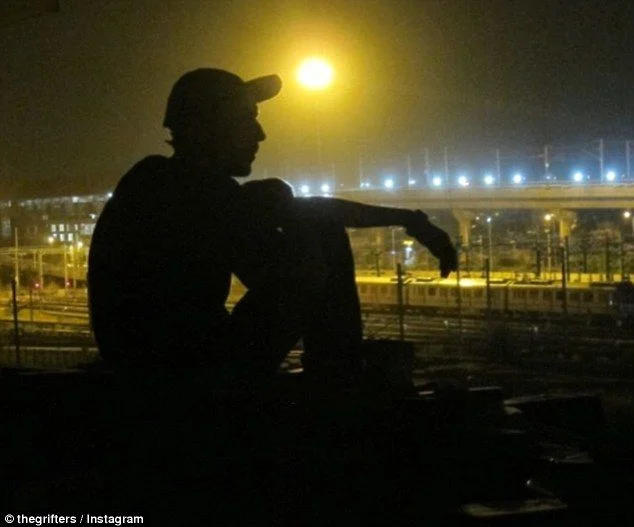
In January 2025, a 21-year-old man, known as 'PAM the Bird', was arrested in Melbourne and faces 50 charges related to graffiti. Undercover police had reportedly been tracking him for months, monitoring his alleged crimes posted on an Instagram account with 70,000 followers.
Earlier in January 2026, police in London raided a home and arrested a man suspected of causing over £250,000 in damage to the London Underground over a period of four years.
In October 2024, San Francisco police arrested two men, aged 34 and 37, described as "prolific graffiti suspects," for allegedly tagging property.
In April 2025, a Bengal artist was arrested in Kolkata for creating graffiti with a message of "armed rebellion" against the state, prompting legal action.
The Art vs. Vandalism Debate
The line between artistic expression and vandalism remains a contentious point.
In 2011, Ben Flynn, known as the graffiti artist Eine, transitioned from numerous criminal damage convictions to become a recognized artist, with his work displayed at the White House. However, law enforcement officials like Detective Constable Will Livings have described graffiti as "nothing more than selfish vandalism."
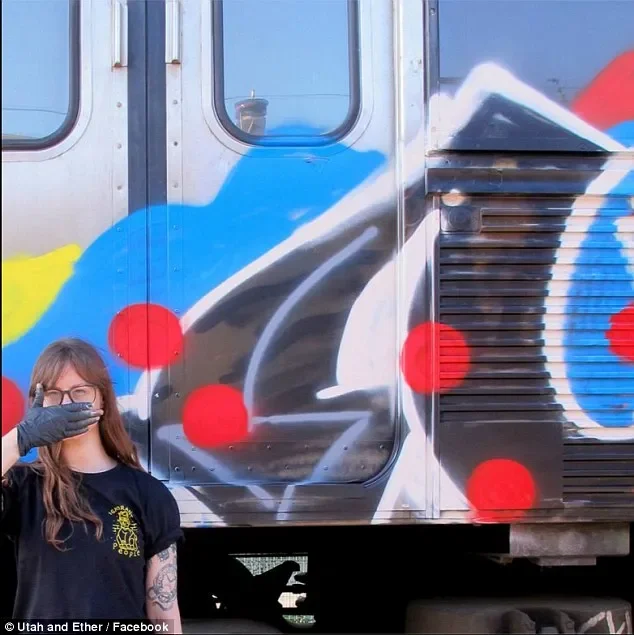
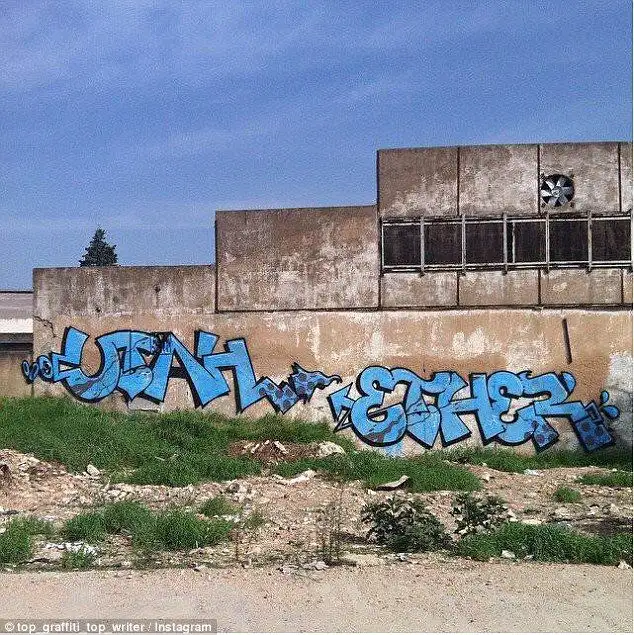
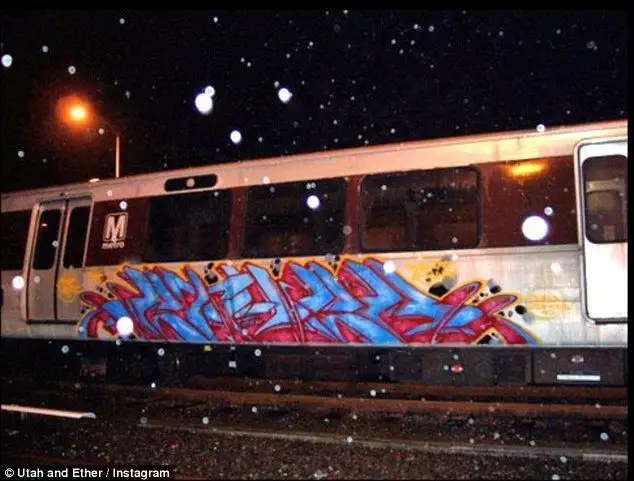
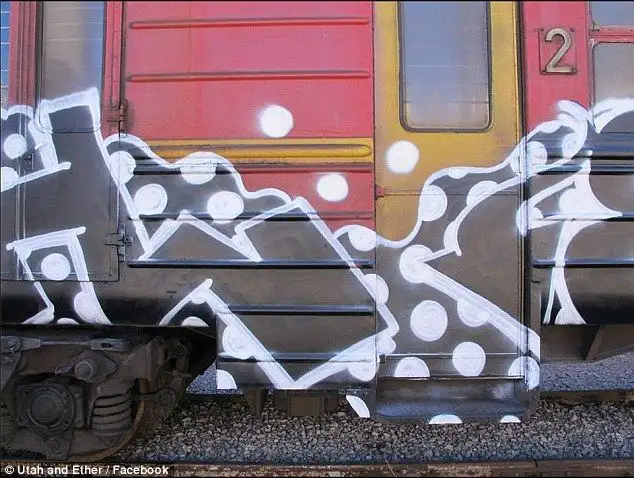
Internationally, artists like Jim Harper (aliases Utah and Ether), who documented his illegal graffiti across the globe, was jailed for six months in Melbourne in 2016 for offenses including criminal damage and attempted robbery. His perspective, shared with his partner Danielle Bremner, emphasized the importance of illegality to the vitality of graffiti.
Conversely, some argue for the potential of graffiti art as a positive force. Marcus Barnes, writing in 2015, suggested that graffiti writers themselves needed to reconsider their approach, while acknowledging the severity of prison sentences for such acts.
The complexity is further illustrated by a Detroit artist's arrest in 2019 for painting a mural commissioned by the city, highlighting situations where the legality of street art can become muddled.
Even internationally renowned artists operate in a space where their work is often viewed through a lens of illegality, as seen with the Russian art collective Voina, whose members faced charges for acts including painting a large penis on a drawbridge.
The ongoing arrests and charges highlight the persistent struggle to categorize and control street art and graffiti, with legal systems often treating it as criminal damage, while some proponents view it as a legitimate, albeit often illegal, form of expression.

/cloudfront-ap-southeast-2.images.arcpublishing.com/nzme/RVI7RFHOI34HTKKRUG3LS6DNVY.jpg)