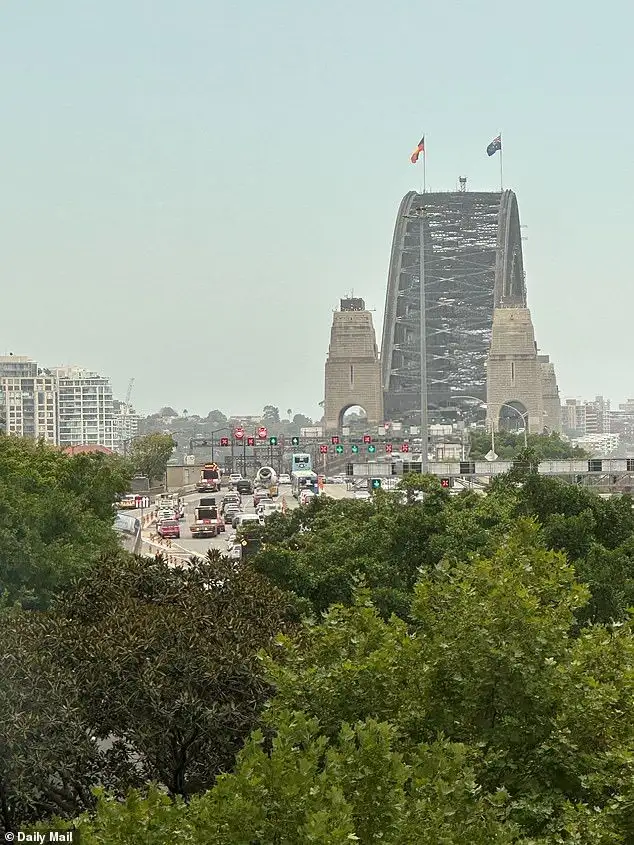
Another day, another standstill on Sydney's iconic Harbour Bridge. This time, a self-harm incident brought traffic to its knees, but is this just the latest symptom of a deeper problem? We've seen police operations, daredevil stunts, and protests all bring this vital artery to a halt. It’s time to ask: why is the Harbour Bridge so vulnerable, and what are we really doing to prevent these recurring breakdowns?
The Daily Grind: Another Bridge Blockade
The Sydney Harbour Bridge, a symbol of the city's ambition, has once again become a symbol of its frustration. Just hours ago, the bridge was brought to a complete standstill due to a self-harm incident. As police and ambulance crews responded, traffic banked up for kilometres, causing a ripple effect of chaos across the CBD.
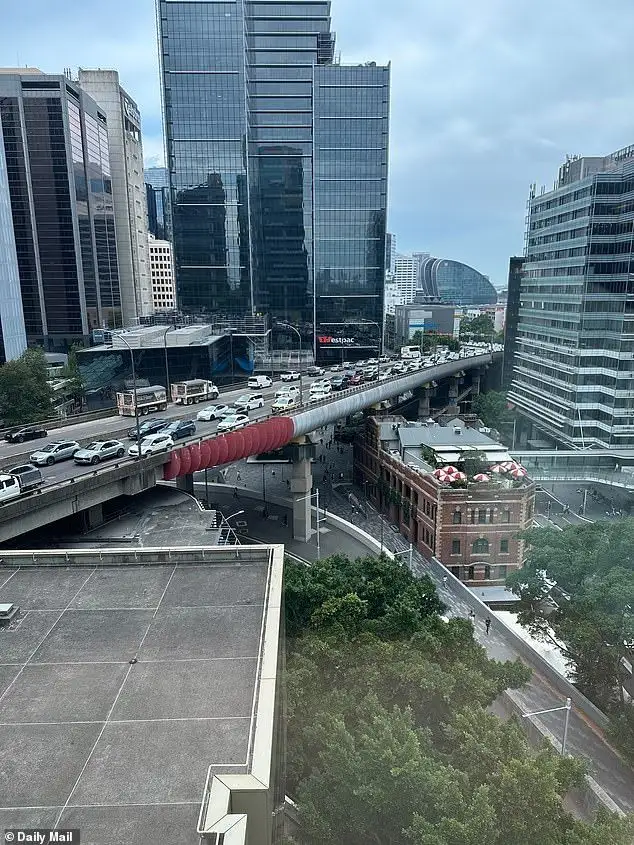
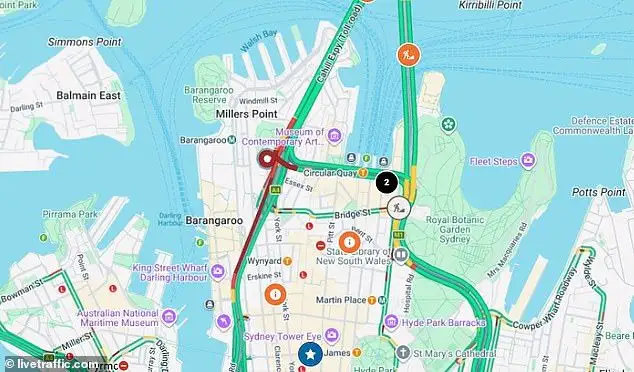
Current Incident: Self-harm incident requiring police and ambulance presence.
Impact: Northbound lane 1 closed, heavy traffic on the Western Distributor, Cahill Expressway closed northbound.
Official Advice: Motorists are advised to avoid the area and use the Sydney Harbour Tunnel as an alternative. (Source: Daily Mail)
This isn't an isolated event. We've seen similar scenes play out with alarming regularity. Each incident, regardless of its cause, leaves thousands of commuters stranded, businesses disrupted, and a growing sense of unease about the city's ability to manage its critical infrastructure.
Read More: Sydney Home Invasion Leaves Couple Critical
A Pattern of Disruption: Echoes of Past Incidents
To understand the significance of today's shutdown, we need to look at the recent past. The Harbour Bridge has become a recurring site for disruptions, from planned protests to spontaneous acts of defiance and tragic accidents.
Recent E-bike Swarm (February 2026): Approximately 40 individuals on e-bikes and motorcycles rode illegally across the main deck of the bridge, performing stunts and gathering in the CBD. Police confirmed they are investigating, though no pursuit was initiated. (Source: The Guardian)
This incident drew sharp criticism, with the NRMA calling for stricter measures to "get these kids off our roads." Premier Chris Minns indicated that changes to e-bike regulations were being considered. (Source: 7News)
Fatal Crash (April 2025): A head-on collision resulted in two deaths and significant traffic chaos, with only one northbound lane remaining open. A motorcyclist was arrested after allegedly breaching a road block. (Source: Daily Mail)
Earlier Police Operations (Various Dates): Multiple reports detail police operations closing lanes, leading to major delays. These operations have sometimes been linked to self-harm incidents, causing commuters to be urged to work from home. (Source: Daily Mail, 7News, SMH)
Bridge Climber (November 2018/April 2018): Incidents of individuals climbing the bridge have twice caused traffic to halt for hours, resulting in the climber being taken into police custody. (Source: The Guardian, SMH)
Pro-Palestine Protest (February 2025): A large-scale protest, estimated to draw tens of thousands, saw the bridge closed for an extended period, impacting transport across the city. (Source: Wikipedia)
*| Incident Type | Approximate Date | Key Details | Impact ||—-|—-|—-|—-|| Self-Harm Incident | Recent (1 hour ago) | Police/ambulance response | Full/partial closure, major delays || E-bike/Motorcycle Swarm | Feb 2026 (2 days ago) | ~40 riders, illegal crossing, stunts | Police investigation, public outcry || Fatal Crash | Apr 2025 | Head-on collision, two deaths | Southbound halt, one northbound lane open || Police Operation (General) | Multiple (e.g., Feb 2024) | Unspecified police activity | Lane closures, significant delays || Bridge Climber | Nov 2018 & Apr 2018 | Individual scaled the bridge | Hours of closure, traffic standstill || Large Protest | Feb 2025 | Mass demonstration | Extended bridge closure |
The sheer variety of incidents, from personal crises to organized gatherings and criminal acts, highlights the bridge's vulnerability as a critical piece of public infrastructure.
Read More: Elizabeth Line Helps Londoners During Tube Strike on July 6

The E-bike Enigma: A Growing Concern
The recent surge in e-bike and motorcycle activity, particularly the organized "swarm" on the Harbour Bridge, raises serious questions. While police are investigating, the footage circulating online paints a picture of riders flouting the law with apparent impunity.
The Scale of the Problem: Around 40 riders were involved in the recent bridge incident alone, suggesting a coordinated effort. (Source: The Guardian)
Dangerous Behaviour: Riders were seen travelling on the wrong side of the road, performing stunts, and making U-turns mid-span, creating significant risks for themselves and other road users. (Source: 7News, SMH)
Calls for Action: Calls for stricter regulations and enforcement are growing. Suggestions include registration plates for all riders under 18. (Source: SMH)
Why is it so easy for such large groups to mobilize and disregard traffic laws on a major arterial route? Are current enforcement strategies adequate to deal with these increasingly organized groups? The lack of an immediate pursuit in the recent e-bike incident, while police cite safety concerns, raises further questions about the balance between apprehension and public risk.

"Irresponsible, stupid and downright dangerous" - Police slam e-bike riders. (Source: SMH)
Policing the Icon: Balancing Safety and Access
Every police operation on the Harbour Bridge, whether it's a response to a critical incident or a planned event, inevitably leads to widespread disruption. The question is, can we do better?
Resource Allocation: How are police resources allocated to monitor and manage potential threats to the bridge and its traffic flow?
Preventative Measures: Beyond responding to incidents, what proactive steps are being taken to prevent them, especially those involving individuals in distress or large groups engaging in dangerous activities?
Communication: While authorities do issue warnings, is the communication about impending or ongoing disruptions as effective and timely as it could be?
The "police operation" itself has become a predictable cause of chaos. It begs the question: are these operations the only recourse, or are there alternative strategies to de-escalate situations or manage traffic flow more effectively during such times?
Read More: Sydney Mothers Sarah Budge and Tegan Kynaston Meet at Watsons Bay Park
"A police operation is underway on the Sydney Harbour Bridge… Significant traffic delays are expected, and motorists are advised to seek alternative routes." (Source: Daily Mail)
Beyond the Bridge: Systemic Failures or Isolated Events?
The recurring chaos on the Sydney Harbour Bridge forces us to consider broader issues. Is this a reflection of inadequate urban planning, a growing mental health crisis, a failure of regulatory bodies, or a combination of all these factors?
Dependence on a Single Artery: Sydney's reliance on the Harbour Bridge as a critical transport link makes it inherently vulnerable. Are there sufficient, robust alternative routes and transport options that can absorb traffic during closures?
Mental Health Support: Incidents involving self-harm on the bridge suggest a need for better mental health support and crisis intervention strategies, not just for those on the bridge, but for the wider public who suffer the consequences of these incidents.
Regulatory Gaps: The e-bike issue highlights potential gaps in regulations and enforcement for new forms of transport.
The ongoing disruptions are not merely traffic inconveniences; they represent a tangible impact on the city's economy, its residents' daily lives, and public confidence in our infrastructure and safety management.
The Path Forward: Towards a Resilient Harbour Crossing
The Sydney Harbour Bridge is more than just a structure; it's the lifeblood of the city's transport network. Its repeated paralysis demands a comprehensive and critical re-evaluation of how we manage it.
Enhanced Security and Monitoring: What technological or physical enhancements can be made to deter unauthorized access and monitor activities on the bridge more effectively?
Diversified Transport Solutions: A long-term strategy must include significant investment in and promotion of alternative transport, including robust public transport options and perhaps even reimagining other cross-harbour routes.
Swift and Decisive Enforcement: For illegal activities like the e-bike swarm, a clear and consistent enforcement strategy is needed to deter future occurrences.
Improved Crisis Intervention: For incidents involving individuals in distress, are there ways to improve immediate response and de-escalation, potentially involving specialized units or mental health professionals on standby?
Without a proactive and multi-faceted approach, Sydney commuters are likely to face a future of continued disruption. The Harbour Bridge deserves better, and so do the people who rely on it. Are our leaders willing to move beyond reactive measures and implement truly systemic solutions to secure this vital icon?
Read More: London Underground Strike Causes Delays for Commuters
Sources: