STATE POWERS ALLOW FOR SUPERSIZED PROJECTS, OVERRIDING LOCAL CONTROLS
New mechanisms enacted by the state government are facilitating the expansion of development projects in Sydney, with some initiatives enabling developers to significantly increase building scale and apartment numbers beyond what was previously permitted under local planning rules. This pathway, initially intended to address a housing deficit, is now being scrutinized for its role in resurrecting developments that had been refused or approved at much lower densities. For instance, a project on Anzac Parade in Kensington has seen its apartment count balloon from 197 to 357 units under this framework. Developers first lodge an expression of interest, after which the planning minister can designate a project as 'state-significant,' thereby bypassing some local objections and existing zoning restrictions.
SKYWARD AMBITIONS FOR THE CBD
Sydney's central business district is also slated for substantial vertical expansion. An approved 20-year development strategy will permit towers to reach heights of up to 300 metres, a significant increase that could add nearly 24 storeys to the city's current tallest commercial building, the Chifley Tower. This overhaul, the most extensive to the CBD skyline since the 1970s, is designed to position Sydney as a major global economic centre. The strategy mandates that all new buildings exceeding 55 metres must allocate at least half their space to commercial use, aiming to preserve the city's status.
Read More: North Epping house sells for $2.28 million on 6 April 2026
ARCHITECTURAL INNOVATION AND PUBLIC PERCEPTION
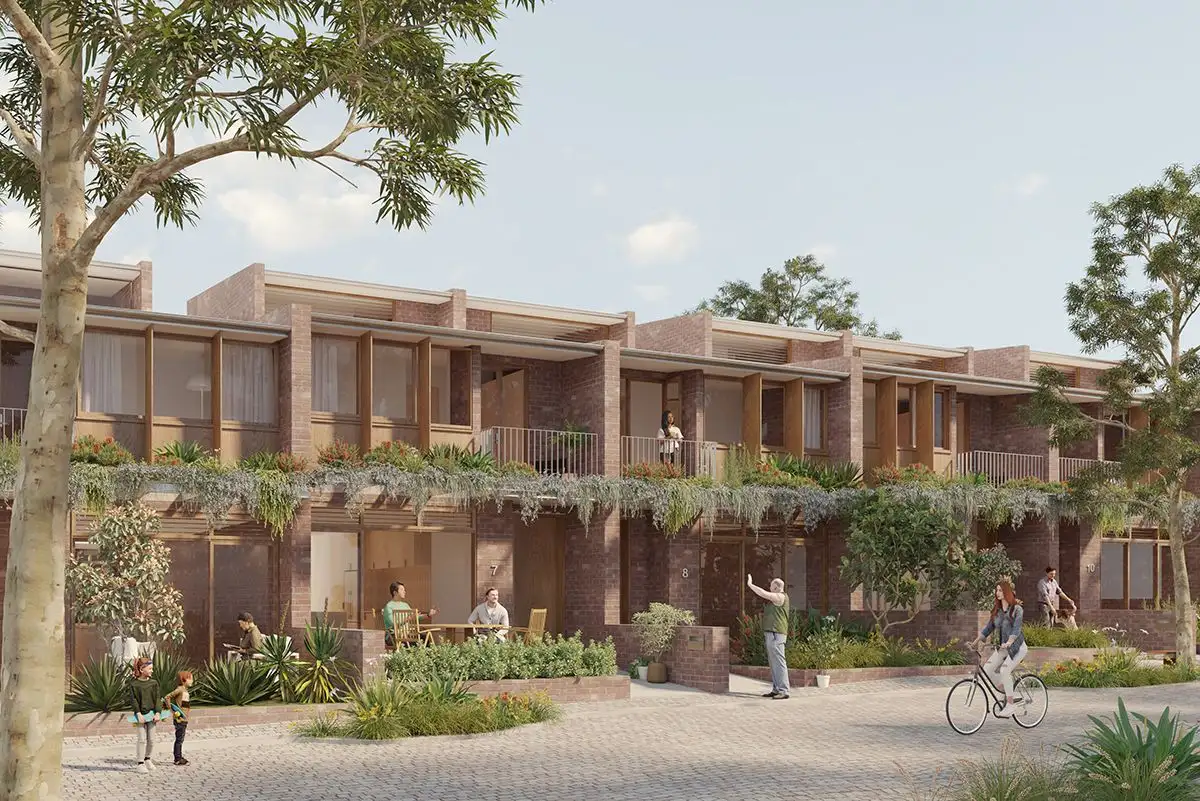
Alongside these regulatory shifts, the state is also exploring new housing typologies. Winning designs from a recent competition, encompassing varied housing forms from terraces to mid-rise apartments, are being refined for a forthcoming 'NSW Housing Pattern Book.' These designs emphasize accessibility, environmental sustainability, affordability, and adaptability, and are slated for real-world testing on five government-owned sites. The public will have an opportunity to experience these proposed future homes and vote for a preferred design, signaling an intent to engage citizens in the evolution of urban living.
URBAN TRANSFORMATIONS UNDERWAY
The physical landscape of Sydney is demonstrably in flux, with considerable investment directed towards waterfront revitalizations and the construction of towering residential and commercial structures. Projects like the Quay Quarter Tower, a redevelopment of the AMP Centre, and the Atlassian Tower at 338 Pitt Street, which will house 507 apartments and a rooftop venue, are indicative of this large-scale urban transformation. The city's skyline is projected to undergo a dramatic alteration over the next decade, driven by both regulatory changes and significant capital injections into development.
Read More: How Onikuru facility in Ibaraki City changes local visit habits in 2026