A recent Supreme Court decision has thrown a spotlight on billions of dollars in tariffs imposed by the Trump administration. Following the court's ruling that these tariffs were illegally enacted under the International Emergency Economic Powers Act (IEEPA), numerous companies and business groups are now pressing for refunds of the duties they paid. The process for these refunds, however, remains uncertain, with legal experts anticipating potential protracted court battles.

Background of the Tariffs and Legal Challenge
The Trump administration implemented broad tariffs on goods from various countries, often citing national security and economic reasons. These tariffs, some enacted under the IEEPA, were a significant source of government revenue.
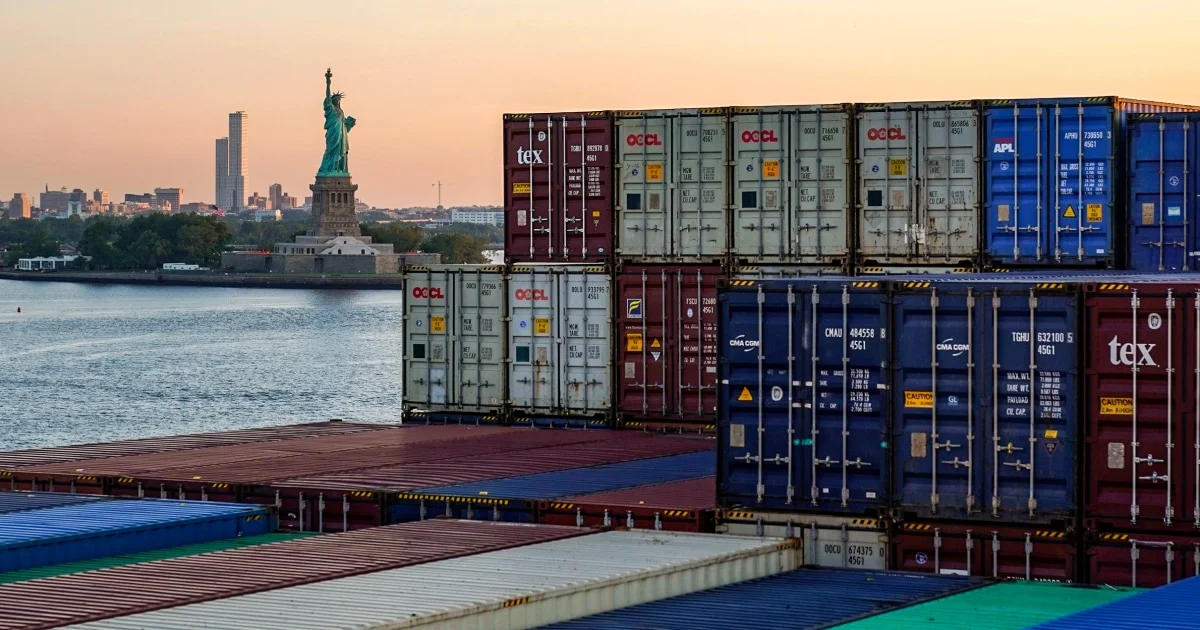
IEEPA Tariffs: These specific tariffs, now deemed illegal by the Supreme Court, were a primary target of legal challenges.
Supreme Court Ruling: On February 20, the Supreme Court ruled that President Trump had overstepped his authority by imposing these tariffs under the IEEPA. This decision was a significant legal victory for companies challenging the tariffs.
Company Lawsuits: Even before the Supreme Court's ruling, some companies, including the Chinese carmaker BYD, had filed lawsuits seeking refunds. The Supreme Court's decision has emboldened other businesses to pursue similar claims.
The Push for Refunds
With the tariffs now invalidated by the highest court, a strong movement has emerged from various sectors demanding that the collected tariff money be returned to the companies that paid it.
Read More: FedEx Seeks Full Tariff Refund After Supreme Court Says Trump Tariffs Were Illegal
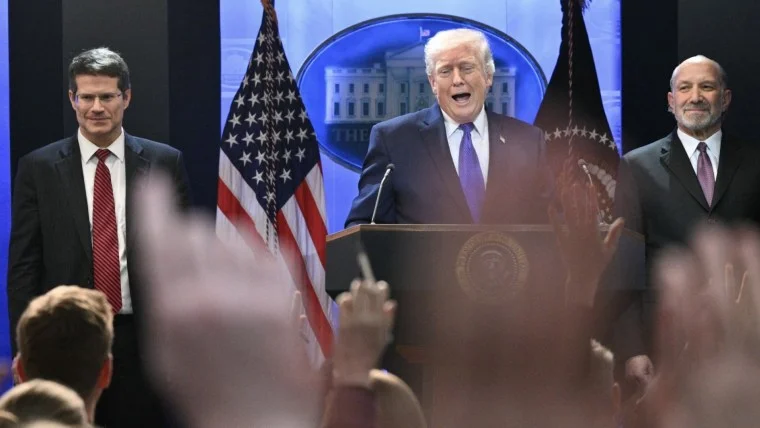
Business Associations: Top associations representing American businesses are actively calling for repayment. Groups like the National Retail Federation and the business coalition "We Pay the Tariffs" are urging the government to issue refunds.
Government Officials: Some political leaders and former officials have also joined the call for refunds, with some advocating for immediate repayment.
Precedent for Refunds: The government has previously issued tariff refunds following Supreme Court decisions, suggesting a historical basis for such actions.
Uncertainty Surrounding Refund Processes
Despite the widespread demand for refunds, the exact mechanisms and timeline for disbursing these funds are unclear. The Supreme Court's ruling did not provide explicit instructions on how refunds should be handled.

Lack of Clear Next Steps: The court's decision focused on the legality of the tariffs, leaving the procedural aspects of refunds ambiguous. Justice Brett Kavanaugh noted this lack of clarity in his dissenting opinion.
Role of the Court of International Trade: This court typically handles refund processes for tariffs. However, coordination with U.S. Customs and Border Protection and the legal system will be necessary to manage any refund program.
Potential for Litigation: Trade lawyers anticipate that determining eligibility and processing refunds could lead to years of further legal disputes. Some estimates suggest the refund process could take up to five years.
Financial Implications: The total amount of tariffs collected under the challenged IEEPA provisions is substantial, with estimates of the total potentially reaching hundreds of billions of dollars. Treasury Secretary Scott Bessent has indicated the agency has sufficient funds to issue refunds, though the process might span over a year.
Conflicting Views and Future Actions
While many companies are eagerly anticipating their refunds, the path forward is complex, and not all outcomes are guaranteed.
Arguments for Refunds: Companies that paid tariffs under the now-illegal IEEPA provisions argue they are rightfully owed their money back. They contend that these tariffs negatively impacted their operations, leading to issues like taking out loans, delaying hiring, and canceling expansion plans, especially for small businesses.
Government Stance: In court filings before the Supreme Court's ruling, Trump administration officials had assured companies they would receive refunds if the tariffs were overturned. However, the practical implementation remains a point of discussion.
Future Tariffs: It is important to note that the Supreme Court's ruling specifically addressed tariffs imposed under the IEEPA. The Trump administration has indicated it may pursue tariffs through other legal avenues, and new tariffs have reportedly been introduced.
Expert Analysis
Trade lawyers and economists have weighed in on the situation, highlighting the complexities ahead.
"Importers are likely to get money back — eventually." - Dave Townsend, trade lawyer.
"The process for companies to get refunds on duties paid is unclear." - Economists.
"The issue of refunds has rounds of litigation to go." - Dan Anthony, director of the business coalition We Pay the Tariffs.
Conclusion
The Supreme Court's decision to invalidate the Trump administration's IEEPA tariffs has created a significant demand for refunds from affected companies. While the ruling itself is a clear victory, the practicalities of reclaiming these substantial funds are mired in uncertainty. The Court of International Trade is expected to play a key role, but the involvement of U.S. Customs and Border Protection and the potential for extensive litigation suggest that this process will be lengthy and complex. Businesses that paid these tariffs are now in a position where they must navigate legal and administrative channels, with the outcome of their refund claims potentially extending over several years. The administration's commitment to issuing refunds, as suggested in past court filings, will be tested as these processes unfold.
Read More: Richard Baker Says He Saved Luxury Stores as Saks Global Faces Bankruptcy
Sources
Business Insider: https://www.businessinsider.com/there-top-global-companies-have-sued-trump-for-tariff-refunds-2026-2
NPR: https://www.npr.org/2026/02/21/g-s1-110987/supreme-court-tariffs-refunds
NBC News: https://www.nbcnews.com/business/business-news/tariff-refunds-supreme-court-trump-rcna259968
The Guardian: https://www.theguardian.com/us-news/2026/feb/21/retailers-trump-tariffs-refunds
USA Today (Article 5): https://www.usatoday.com/story/news/politics/2026/02/20/trump-tariffs-refunds-supreme-court-decision/88103847007/
USA Today (Article 6): https://www.usatoday.com/story/news/politics/2026/02/21/trump-tariff-rebate-checks-supreme-court/88777196007/
Scripps News: https://www.scrippsnews.com/politics/economy/with-trumps-tariffs-struck-down-what-happens-to-the-billions-collected
CNBC: https://www.cnbc.com/2026/02/20/supreme-court-trump-tariff-decision-illegal-refunds.html
CBS News: https://www.cbsnews.com/news/tariff-refunds-trump-ruling/
CNN Business: https://edition.cnn.com/2026/02/20/economy/the-usd130-billion-question-who-will-get-a-tariff-refund
NPR (Article 11): https://www.npr.org/2026/02/22/nx-s1-5721090/business-owners-are-wondering-if-theyll-get-their-money-back-after-tariff-ruling
BBC News (Article 13): https://www.bbc.com/news/articles/cn8146l0n55o
Financial Times: https://www.ft.com/content/045b56bf-2758-424d-94c5-3e4533493433