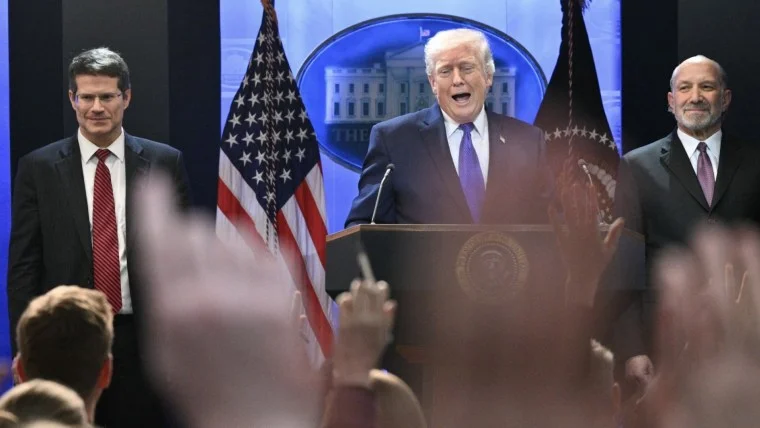
FedEx has filed a lawsuit seeking a complete refund of tariffs it paid under a policy enacted by the Trump administration. This action follows a U.S. Supreme Court decision that found these tariffs, imposed under the International Emergency Economic Powers Act (IEEPA), to be unlawful. The company aims to reclaim duties paid under this specific legal framework, which has now been struck down by the nation's highest court.
Background of the Tariffs and Legal Challenge
In April [Year], the Trump administration implemented increased tariffs on goods from most countries. These were enacted using the authority granted by the International Emergency Economic Powers Act (IEEPA).
The Supreme Court, in a 6-3 decision last week, ruled that President Trump exceeded his presidential authority by using the IEEPA to impose these sweeping tariffs.
The ruling stated that the IEEPA did not grant the president the power to impose these taxes on imports.
This decision has opened the door for companies that paid these duties to seek refunds.
The tariffs in question were imposed under the IEEPA and do not affect duties levied under other laws, such as those on imported steel, aluminum, or certain vehicles.
FedEx's Legal Action
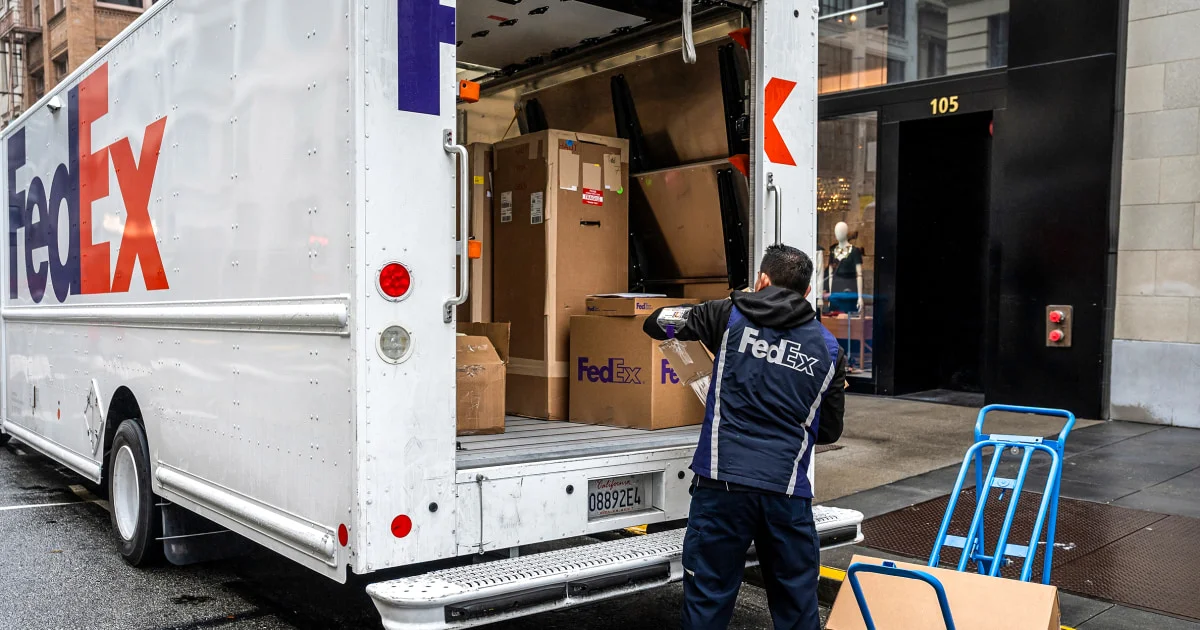
FedEx has initiated a lawsuit in the U.S. Court of International Trade.
The company is seeking an order to compel U.S. Customs and Border Protection (CBP) to refund all duties paid under the IEEPA.
The lawsuit names CBP, its commissioner Rodney Scott, and the United States of America as defendants.
FedEx has not specified the total dollar amount of the refund it is requesting.
The company stated that this action is necessary to "protect the company's rights as an importer of record to seek duty refunds."
Broader Corporate Response
FedEx is not the only major corporation pursuing refunds. A number of other large companies have filed similar suits.
Read More: Richard Baker Says He Saved Luxury Stores as Saks Global Faces Bankruptcy
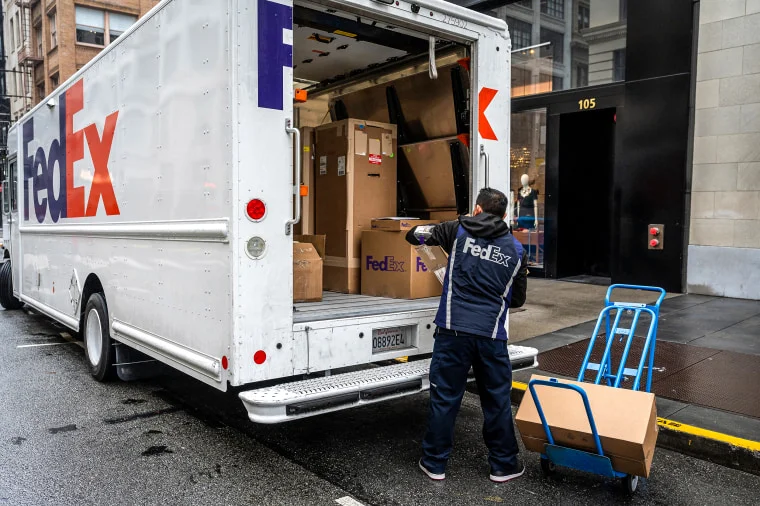
Costco filed a lawsuit in December [Year] seeking a full refund of tariffs paid under IEEPA.
Other companies that have initiated legal action include:
Revlon (beauty company)
Bumble Bee Foods (grocery company)
EssilorLuxottica (eyewear maker)
Kawasaki (motorcycle manufacturer)
Yokohama Tire (Japanese auto supplier)
The law firm Crowell & Moring is representing FedEx and many of these other companies in their tariff refund cases.
Potential Financial Implications
The Supreme Court's ruling and subsequent lawsuits could lead to significant financial repercussions.
The prospect of billions of dollars in repayment claims is now a possibility across corporate America.
In previous quarterly earnings reports, FedEx executives had indicated that these tariffs were expected to impact profits. For instance, one report mentioned an expected $1 billion hit to profits in 2025 due to the administration's policies.
Both former President Trump and Treasury Secretary Scott Bessent have suggested that the issue of refunds could remain tied up in court for years.
Government lawyers had previously argued to judges that tariff collection should continue during appeals, stating that refund mechanisms would be available if the administration ultimately lost.
Expert Analysis and Commentary
While the Supreme Court has declared the tariffs unlawful, the path to refunds for companies is still being shaped through legal proceedings.

"The Supreme Court's decision was clear on the unlawful nature of the tariffs under the IEEPA. The current lawsuits, like FedEx's, are a direct consequence of that ruling, aiming to recover payments made under that specific legal authority."
The core of the legal dispute centers on whether the IEEPA provided the necessary authority for the broad tariffs imposed, and whether companies that paid these duties are entitled to a full recovery. The Supreme Court's ruling addressed the former, and now the courts will likely grapple with the specifics of the latter. The initial declaration by the trade court that the tariffs were unlawful, prior to the Supreme Court's final judgment, suggests a history of judicial skepticism towards the administration's actions in this matter.
Conclusion and Next Steps
The filing of the lawsuit by FedEx represents a significant corporate effort to reclaim funds following the Supreme Court's decision.
Read More: New Jersey Lawmakers Propose "F*** ICE Act" to Let People Sue Federal Agents
The Supreme Court has definitively ruled the tariffs imposed under the IEEPA illegal, exceeding presidential authority.
FedEx, along with numerous other companies, is now seeking full refunds of the duties paid under this invalidated policy.
The U.S. Court of International Trade will now consider FedEx's claim and potentially others, determining the process and extent of these refunds.
The financial outcome of these cases remains to be seen, with the possibility of substantial repayments to affected businesses.
Sources
BBC News: FedEx sues for "full" Trump tariff refund
CBS News: FedEx sues Trump administration for "full refund" of tariff payments
Link: https://www.cbsnews.com/news/fedex-sues-trump-administration-for-full-refund-of-tariff-payments/
NBC News: FedEx sues Trump administration for tariff refunds after Supreme Court ruling
Link: https://www.nbcnews.com/business/economy/fedex-sues-trump-over-tariff-refunds-rcna260350
Livemint: FedEx sues US seeking ‘full refund’ of Trump Tariffs after Supreme Court declares them illegal
Dallas News: FedEx sues Trump administration, seeking ‘full refund’ for tariffs after high court ruling