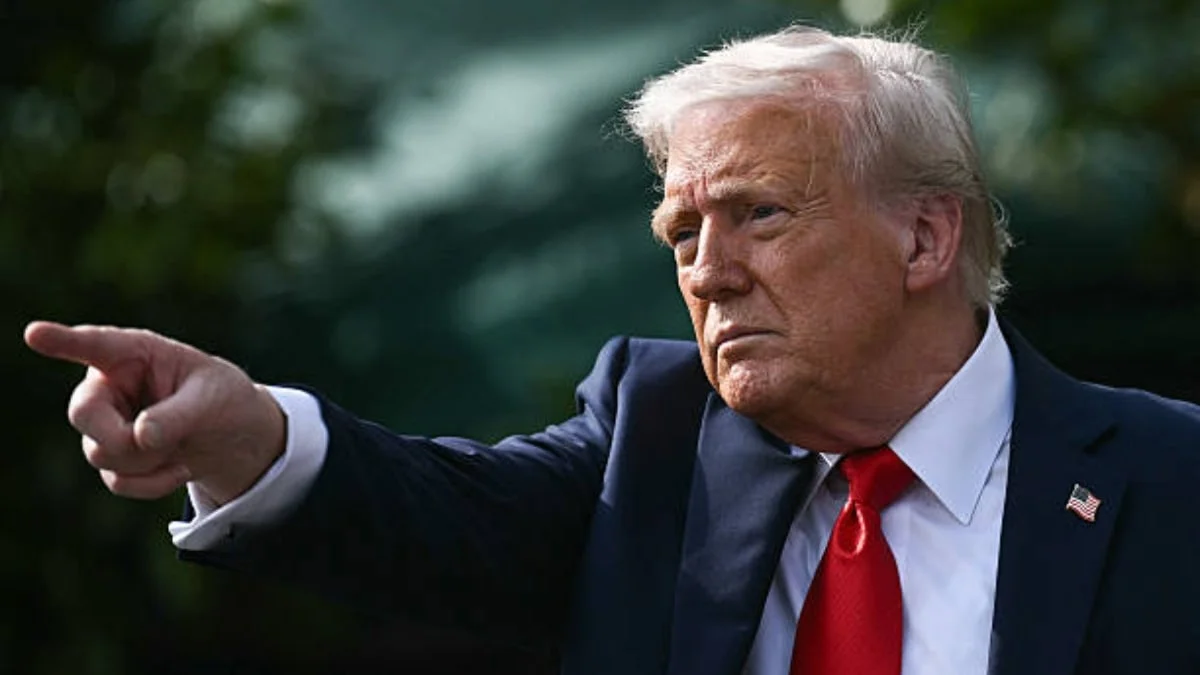
The Supreme Court has made a decision regarding former President Donald Trump's tariffs, creating a turning point for his trade agenda and potentially influencing upcoming elections. This ruling comes as concerns about the economic impact of tariffs on American consumers and businesses persist, and as the former president engages in a public tour discussing his economic policies. The outcome of this trade dispute, and the public's reaction to it, may become a significant factor in the 2026 political landscape.
The situation highlights a deep division over trade policy, with potential ripple effects on the economy and political campaigns. Trump's use of tariffs, seen by some as a strong negotiating tool and by others as a harmful tax, has been a point of contention. The Supreme Court's involvement suggests the legal and political ramifications of these trade actions are far-reaching.
Read More: Supreme Court Blocks Trump Tariffs, New 10% Tariffs Announced Friday

Tariffs: A Central Theme in Trade and Politics
Donald Trump has consistently favored the use of tariffs as a core element of his trade strategy. These tariffs, applied to goods from other countries, were intended to protect American industries and encourage trade deals more favorable to the United States. However, this approach also drew criticism.
Impact on Businesses and Consumers: Tariffs increase the cost of imported goods. This can lead to higher prices for American consumers and businesses that rely on foreign supplies. When other countries respond with their own tariffs on U.S. products, it can reduce American exports.
Political Divisions: While some within the Republican party supported Trump's trade policies, many lawmakers expressed unease. They felt compelled to defend what amounted to new taxes on the public and businesses.
International Agreements: During Trump's term, trade agreements were pursued that involved the elimination of tariffs. For example, agreements with Cambodia and Indonesia aimed to remove tariffs on a significant percentage of U.S. industrial and agricultural products.
Supreme Court Decision and Its Aftermath
The Supreme Court has issued a ruling that effectively rejects certain tariffs imposed by Donald Trump. This decision appears to address the legal basis on which these tariffs were implemented, with reports indicating that Trump himself found it burdensome to justify these actions to the court.
Public Opinion on Tariffs: Polling data from January suggests that a majority of Americans believed Trump had been too aggressive with his tariff policies.
Endorsements of the Ruling: Figures like former Vice President Mike Pence have publicly supported the Supreme Court's decision.
Economic Concerns and the 2026 Political Arena
Economic issues, particularly the cost of living, are at the forefront of voter concerns, and this is expected to play a major role in the upcoming elections. Donald Trump's recent economic agenda tour, which includes stops in key regions, aims to address these concerns and boost public confidence.
Read More: Trump Administration Raises Global Tariffs to 15% After Supreme Court Ruling on Feb 20, 2026
Consumer Sentiment: A recent uptick in consumer confidence has reportedly strengthened Trump's position as he travels the country.
Democratic Response: Democrats are actively formulating their message in response to Trump's economic narrative, preparing for a potential clash over affordability.
Impact on Elections: Concerns about tariffs and their effect on prices are being watched closely, with some believing that these trade issues could significantly influence the outcomes of the 2026 races. There are indications that votes may be called to end tariffs on countries like Canada and Brazil.
Expert Analysis
"Tariffs drive up the price of foreign imports. When other countries impose retaliatory tariffs, they don't buy as many U.S. products." — USA Today (October 3, 2025)
"Economic concerns continue to top voters’ lists even as Trump touts decreasing rates for eggs and mortgage interest." — News of Israel (December 8, 2025)
Conclusion
The Supreme Court's recent ruling on former President Trump's tariffs marks a significant development in U.S. trade policy. This decision comes at a time when economic affordability is a primary concern for voters, and political campaigns are beginning to focus on these issues ahead of the 2026 elections. The implications of the ruling for future trade agreements and its impact on public perception of economic policy remain to be seen.
Key Findings:
The Supreme Court has ruled against certain Trump-era tariffs.
Tariffs have historically raised prices for consumers and businesses and can lead to retaliatory actions from other countries.
Economic concerns are a major factor for voters, and trade policy is intertwined with these concerns.
The tariffs issue could become a point of contention in the 2026 midterm elections.
Next Steps: It is anticipated that political campaigns will continue to engage with voters on economic issues, including the impact of trade policies and tariffs. The long-term effects of the Supreme Court's decision on U.S. trade relationships and domestic markets will likely unfold over time.
Sources Used
AP News: "What happens next after the Supreme Court slapped down Trump's tariffs" - Published: 1 day ago. (https://apnews.com/article/trump-tariffs-supreme-court-whats-next-b8b6d5d44ebb3640a88f7202754cb361)
USA Today: "'Punch our customers in the face.' Farm concerns about Trump tariffs could fuel 2026 races" - Published: October 3, 2025. (https://www.usatoday.com/story/news/politics/2025/10/02/trump-tariffs-trade-troubles-2026-midterms-politics/86244797007/)
News of Israel: "Trump and Dems On Collision Course: 'Affordability' in the Crosshairs" - Published: December 8, 2025. (https://www.newsofisrael.com/news/trump-and-dems-on-collision-course-affordability-in-the-crosshairs/)