

The United States Supreme Court has rejected a key component of President Trump's tariff strategy, leading to immediate shifts in trade policy. Despite this legal setback, the administration has announced new tariffs, creating uncertainty for global markets and trading partners. The situation highlights ongoing tensions between executive authority and established legal frameworks in shaping international commerce.
Context: A Judicial Challenge and Executive Response
The core of the recent trade policy developments centers on a Supreme Court ruling and subsequent executive actions by President Trump.
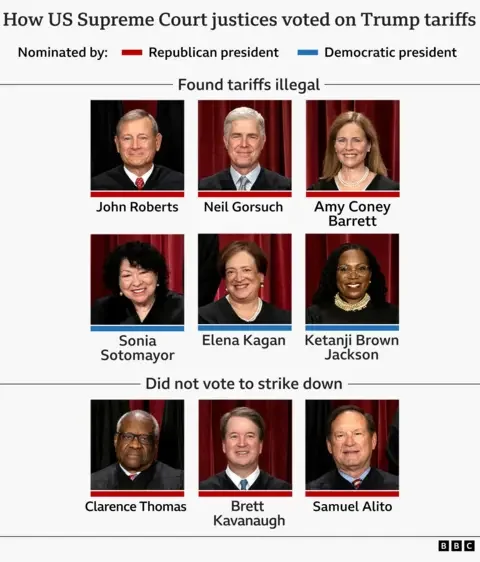
Supreme Court Decision: On Friday, the Supreme Court, in a 6-3 decision, struck down broad global tariffs previously imposed by President Trump. The court found that the president had overstepped his authority by using emergency powers to enact these taxes on goods from nearly every country.
Legal Basis of Tariffs: These rejected tariffs were largely based on the International Emergency Economic Powers Act (IEEPA).
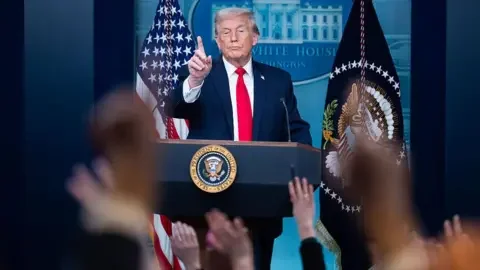
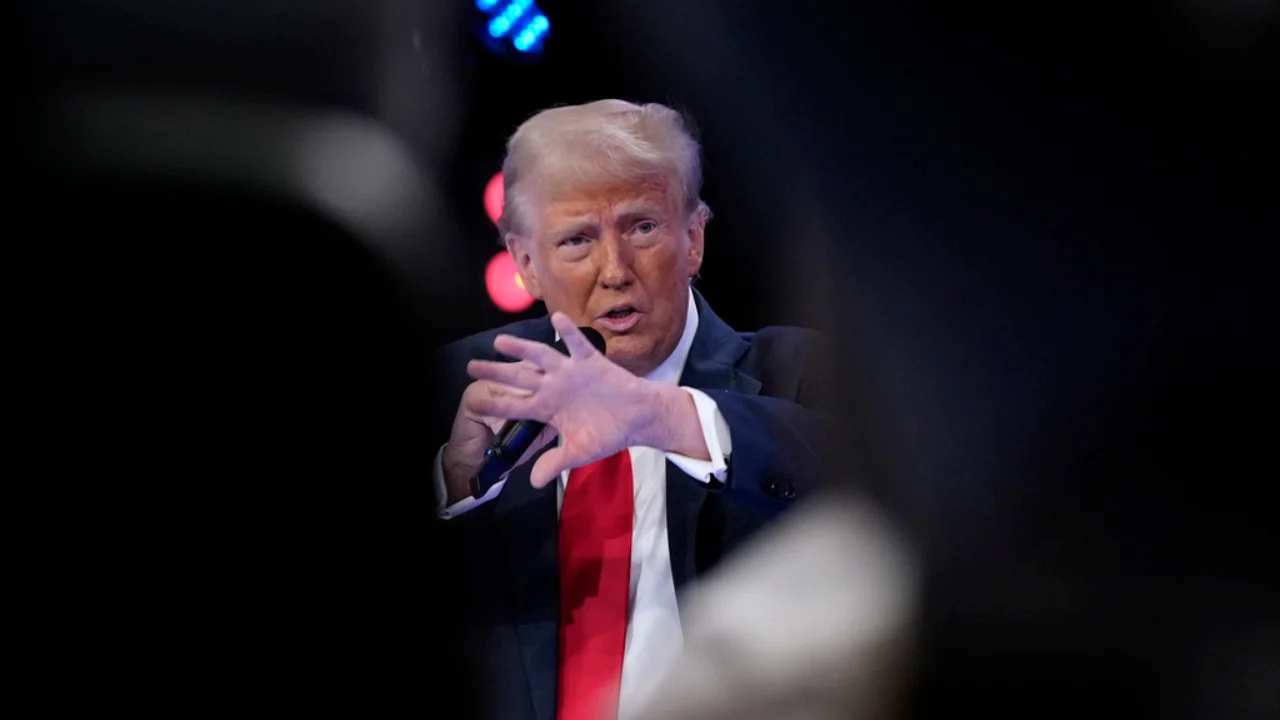
President Trump's Reaction: President Trump publicly criticized the court's decision, describing it as "ridiculous" and "anti-American." He vowed to pursue tariffs through other legal avenues and suggested the legal battles could continue for years.
New Tariff Implementation: Shortly after the Supreme Court's ruling, President Trump announced a new 10% global tariff via executive order. This was later followed by an announcement to raise this to 15%, effective immediately and potentially lasting for 150 days.
Existing Tariffs: Tariffs imposed under other statutes, such as Section 232 and Section 301, are stated to remain in effect. Section 301 investigations are also being initiated against most major trading partners.
Trade Agreements: Canada and Mexico retain exemptions on a large number of goods under the USMCA trade pact.
Evidence of Shifting Tariffs
Information from various sources details the sequence of events and the nature of the new tariffs.

Supreme Court Ruling Details: The Supreme Court's 6-3 decision on Friday found President Trump overstepped his powers in imposing tariffs under an emergency powers law. This ruling invalidated a significant portion of his previously enacted tariffs.
New 10% Tariff Announcement: President Trump announced a 10% global tariff by executive order on Friday, following the Supreme Court's decision.
Escalation to 15%: Reports indicate a subsequent increase of the global tariff rate to 15%, with some sources stating this is "effective immediately."
Duration of New Tariffs: Some sources suggest these new tariffs may be temporary, limited to 150 days.
Exemptions: Canada and Mexico are noted to retain exemptions under the USMCA.
Other Tariffs Remaining: Tariffs under Section 232 (e.g., on steel, aluminum, autos) and Section 301 are confirmed to remain in force.
New Section 301 Investigations: The administration plans to open Section 301 investigations into "most major trading partners" on an "accelerated timeframe."
Analysis of the Supreme Court's Decision
The Supreme Court's ruling has significant implications for executive power and legislative authority regarding trade.
Executive Overreach: The court's majority found that President Trump had exceeded his authority by using the International Emergency Economic Powers Act (IEEPA) for broad tariff imposition.
The decision represents a judicial check on presidential power in economic policy.
Congressional Authority: Some lawmakers and legal analysts argue that such significant trade measures should originate from Congress.
"If he wants sweeping tariffs, he should go to Congress," stated Neal Katyal in response to the new duties.
Impact on Economic Agenda: The ruling is described as a substantial setback to President Trump's economic agenda, which heavily featured tariffs.
Political Reactions: While some Republicans welcomed the decision as a restoration of congressional power, others expressed support for President Trump's tariff approach. President Trump himself directed personal criticism at justices who voted with the majority.
The Administration's Continued Reliance on Tariffs
Despite the Supreme Court's decision, President Trump has signaled a firm commitment to using tariffs as a central tool of his economic policy.
Read More: Indore BJP Congress clash on Feb 21 2026 over AI Summit protest injures many
"Other Laws" Approach: President Trump stated he would utilize "other laws" to continue implementing tariffs, indicating a strategic pivot in legal justification.
Focus on Section 232 and Section 301: The administration explicitly confirmed that tariffs under Section 232 and Section 301 will remain active. Furthermore, new investigations under Section 301 are planned, which could lead to additional tariffs.
"Reciprocal" Tariffs: The concept of "reciprocal tariffs" remains a focus, suggesting a desire for trade partners to face import taxes from the U.S. without the U.S. facing them.
Deal with India: Specific mentions were made of a "deal with India" where India would pay tariffs to the U.S.
Market Impact Uncertainty: The sudden shifts and continued imposition of tariffs raise questions about market reactions, particularly on Monday.
Global Trade Order and Partner Responses
The frequent changes in U.S. tariff policy have destabilized the existing global trade order, impacting various nations differently.
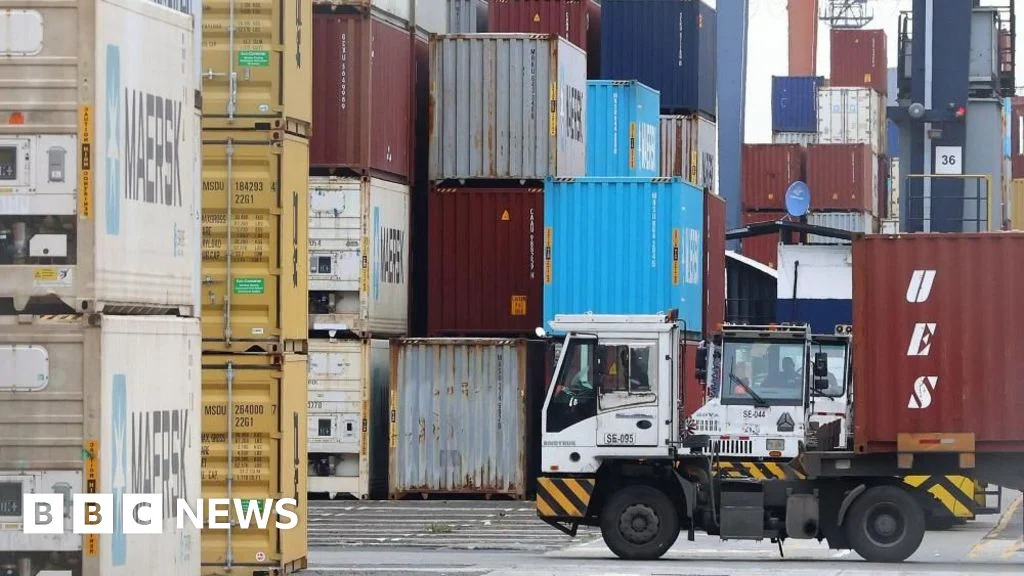
Disruption of Global Trade: Previous tariffs are described as having "ripped up the global trade order," risking a significant blow to economic growth.
Impact on Key Partners:
Canada and Mexico: These nations maintain exemptions on a vast majority of goods under the USMCA.
India: A specific arrangement mentioned involves India paying tariffs to the U.S.
European Countries: There was a prior threat of tariffs on European countries unless they supported a specific geopolitical plan.
EU and Japan: Tariffs on these entities were noted to be capped at 15% in some instances.
Trade Agreement Interpretation: The administration's use of IEEPA for tariffs has been a point of contention, with its expansive interpretation being challenged.
Potential for Further Trade Disputes: The initiation of new Section 301 investigations signals the possibility of further trade disputes and the imposition of additional tariffs.
Expert and Political Commentary
The unfolding events have drawn a range of reactions from legal experts and political figures.
Arguments for Congressional Authority: Critics of the president's actions emphasize the constitutional role of Congress in levying taxes and tariffs.
A Republican Congressman who voted to impeach Trump stated the Supreme Court's decision "rightly takes back power from the executive branch on tariffs."
Defense of Executive Action: Supporters of President Trump's policies argue for his authority to enact tariffs to protect American industries and jobs.
Economic Rationale: The stated aims behind the tariffs include encouraging investment and manufacturing within the U.S.
Conclusion and Outlook
The U.S. Supreme Court's decision to strike down broad global tariffs represents a significant check on presidential economic powers. However, the administration's immediate response, including the implementation of new tariffs via executive order and the continuation of existing measures, indicates a persistent strategy of using trade restrictions.
Legal Repercussions: While the legal basis for the most sweeping tariffs has been invalidated, the administration is pursuing alternative legal avenues. The duration and potential renewal of the new 150-day tariffs remain areas of ambiguity.
International Impact: The repeated shifts in U.S. trade policy create ongoing uncertainty for global economies and bilateral trade relations. Nations like India, Canada, Mexico, and those in the EU face varying degrees of impact based on their trade agreements and the specific tariffs applied.
Future Trade Actions: The aggressive pursuit of Section 301 investigations suggests a proactive approach to identifying and potentially taxing perceived unfair trade practices, likely leading to further trade friction.
Market Volatility: The period following such significant policy changes is often characterized by market adjustments. The extent to which Monday's markets react will depend on the interpretation of these developments and the perceived stability of future trade policy.
Unresolved Authority Debate: The fundamental tension between executive and legislative authority in setting trade policy remains a central, unresolved issue.
Primary Sources Referenced
BBC News:
"Trump brings in new 10% tariff as Supreme Court rejects his global import taxes" - https://www.bbc.com/news/articles/cn8146l0n55o
"Trump tariffs ripped up global trade order. What now?" - https://www.bbc.com/news/articles/cvgvn810njpo
Associated Press:
"Highlights: Trump says he’s enacted a 10% global tariff by executive order" - https://apnews.com/live/supreme-court-tariff-ruling-updates
Times Now News:
"Trump Raises Global Tariff to 15%, Escalating Trade Tensions" - https://www.timesnownews.com/business-economy/economy/trump-tariffs-global-trade-tensions-article-153663813
NPR:
"Trump to raise global tariffs to 15%" - https://www.npr.org/2026/02/21/nx-s1-5722111/trump-global-tariffs-15-percent
Tax Foundation:
"Tracking the Economic Impact of the Trump Tariffs" - https://taxfoundation.org/research/all/federal/trump-tariffs-trade-war/
CNBC:
"Trump announces new 10% global tariff after raging over Supreme Court loss" - https://www.cnbc.com/2026/02/20/trump-global-trade-tariff-supreme-court.html
"Trump to hike global tariffs to 15% from 10%, 'effective immediately'" - https://www.cnbc.com/2026/02/21/trump-tariffs.html
NBC News:
"Trump raises global tariff to 15% shortly after implementing reworked 10% levy" - https://www.nbcnews.com/politics/white-house/trump-raises-global-tariffs-15-percent-trade-supreme-court-decision-rcna260049


