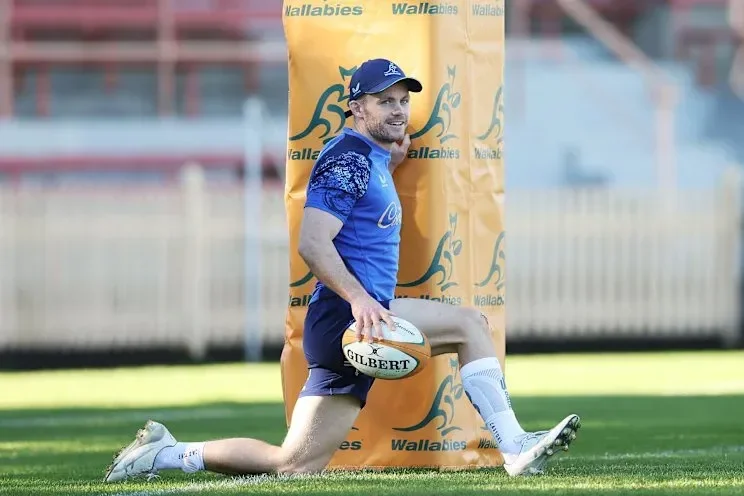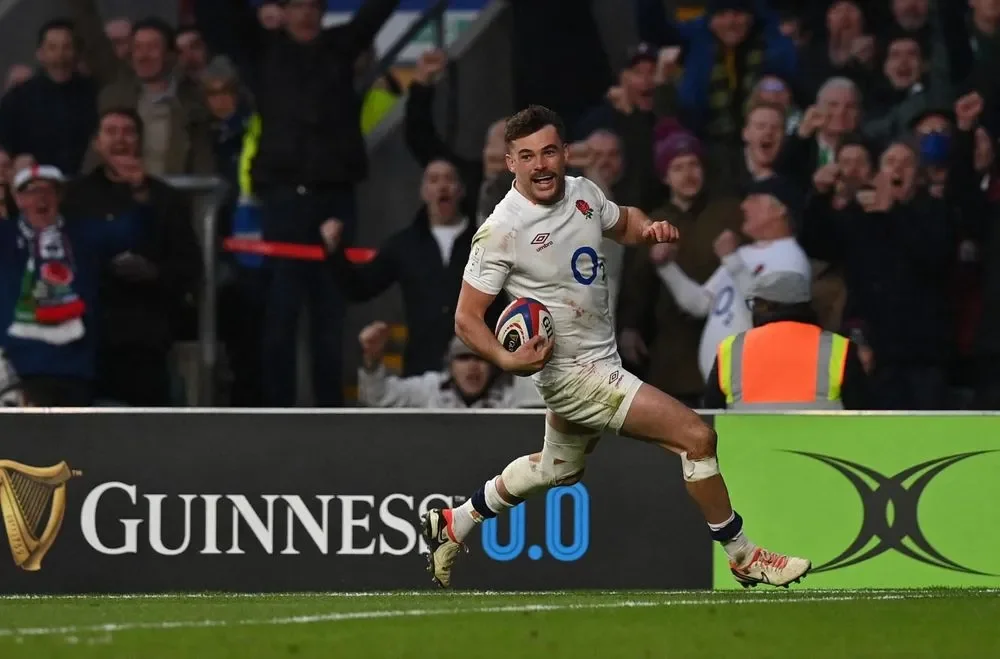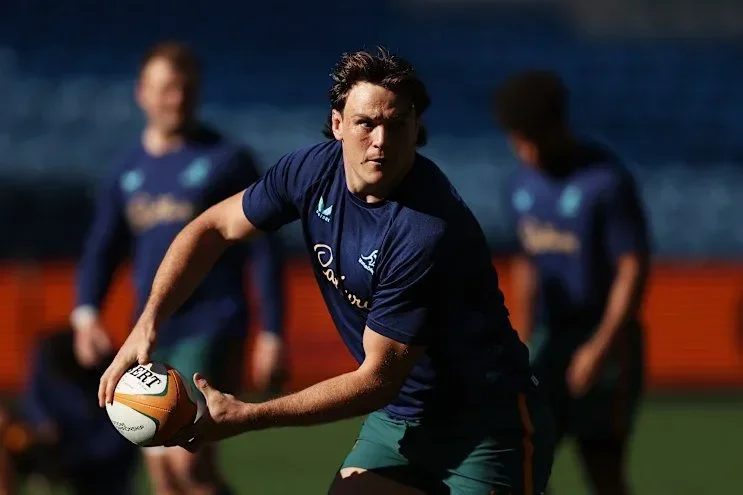
Australian rugby is witnessing a significant choice by a promising player to remain with the 15-a-side game, foregoing an opportunity in the National Rugby League (NRL). This decision highlights ongoing player movements and strategic recruitment efforts between the two major football codes in Australia. The situation prompts a closer look at the factors influencing these choices and the broader landscape of Australian sport.
The Decision and Its Context
Carter Gordon, identified as a hot prospect, has reportedly turned away from a potential NRL pathway. While the exact nature of the NRL offer and the specific reasons for Gordon's rejection remain a subject of discussion, the move signifies a commitment to Australian rugby union. This comes at a time when rugby union is actively seeking to retain and attract talent, partly by enlisting figures with NRL pedigree to engage with junior players.
Read More: Australian Rugby Team Selection Changes Ahead of Ireland Match

Player Movement Between Codes
The migration of players between rugby union and rugby league is a recurring theme in Australian sport. Historically, talented individuals have switched codes, often based on perceived opportunities, playing styles, or career progression.

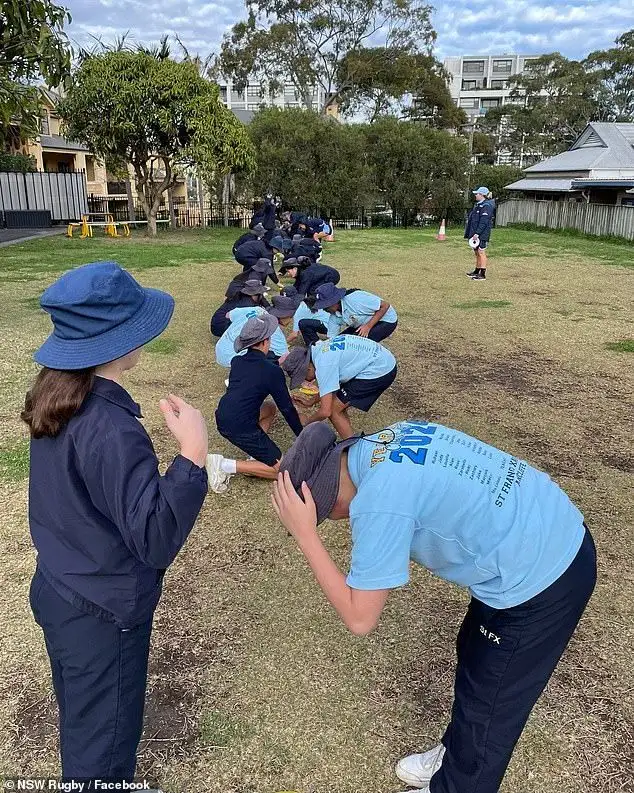
NRL to Rugby Union: Rugby union has made concerted efforts to bring NRL talent into its fold. For instance, Mark Gasnier, a former NRL premiership winner and State of Origin representative, has been appointed to spearhead junior development in rugby union. His role involves creating new junior games, such as Tri Tag, to rival existing programs like AFL's Auskick and the NRL's League Stars. This indicates a strategic approach by rugby union to bolster its junior ranks and make the sport more accessible and appealing to young athletes.
Rugby Union to NRL: Conversely, some players have made the transition from union to league. Lewis Dodd, a halfback, had his NRL career with South Sydney cut short after one season, leading to his expected release to the Super League. This highlights that not all transitions are successful, and player performance, team dynamics, and coaching decisions can influence career paths.
Declining NRL Offers: The decision by players like Gordon to decline NRL opportunities is notable. Pollard previously turned down an NRL offer for the Brumbies, citing a passion for the 15-a-side game and the freedom to play "free-flowing footy." This suggests that for some, the appeal of the union environment and its style of play can outweigh the allure of league contracts.
Evaluating a Prospect's Potential in the NRL
Assessing a player's suitability for the NRL involves considering various attributes. For a player like Carter Gordon, whose strengths are in playmaking and kicking, a potential NRL role could be as a No. 7 (halfback), given his strong right boot and general playmaking abilities.
Similarities to NRL Players: Comparisons have been drawn between rugby union five-eighths and NRL playmakers. Cooper, in his prime, might have excelled as an NRL No. 6, although his defense would have been a primary concern due to his stature. His line-running and creative play on later tackles showed shades of Luke Keary, a noted NRL playmaker.
Positional Adaptability: Gordon began his career as a fullback and could pose a threat in a 13-a-side game at various positions, including No. 6, 7, or 1. This versatility is often valued in rugby league.
Recruitment and Retention Strategies
Both codes employ distinct strategies to attract and retain players. Rugby union's recruitment of figures like Gasnier points to a desire to leverage established sporting identities to engage with a younger demographic and build a stronger grassroots foundation.
Junior Development Focus: The creation of new games like Tri Tag suggests a move to broaden the appeal of rugby union to children, offering alternatives to existing popular sports.
Playing Style and Environment: For some players, the specific playing style and team environment within rugby union may be more attractive. Pollard's comments about playing "free-flowing footy" indicate that team structure and strategic freedom play a part in player decisions.
Conclusion
Carter Gordon's decision to forgo an NRL prospect path for Australian rugby union is a significant event within the nation's sporting landscape. It underscores the competitive environment between the two codes for talent and highlights the strategic recruitment and development initiatives underway in rugby union. While Gordon's specific reasons are not fully detailed, his choice aligns with narratives of players prioritizing playing style, team environment, and a passion for the 15-a-side game. The continued movement of players and the recruitment strategies employed by both codes suggest that this dynamic will persist.
Read More: Hunter Region Gets $12 Billion Train Factory
Sources Used:
The Roar (Article 1): Provides analysis on Carter Gordon's potential NRL transition, drawing parallels with rugby union legends like Cooper and suggesting Gordon's best fit in the NRL would be as a No. 7. Link
Daily Mail (Article 3): Details rugby union's recruitment of NRL premiership winner Mark Gasnier to attract juniors and create new games like Tri Tag. Link
The Roar (Article 4): Mentions Lewis Dodd's NRL career ending after one season with South Sydney and his move to Super League, illustrating player career shifts. Link
Canberra Times (Article 5): Features Pollard's decision to turn down an NRL offer for the Brumbies, emphasizing his passion for the union game and its playing style. Link