


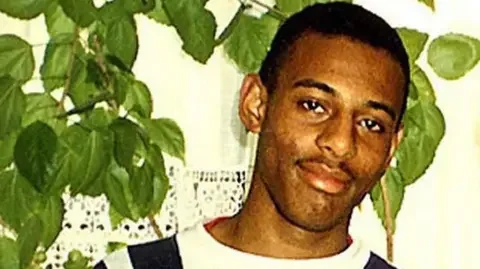
For over 25 years, Baroness Doreen Lawrence and journalist Stephen Wright were viewed as partners in the search for the men who killed her son, Stephen Lawrence. This long-standing relationship has now changed into a legal battle. In the High Court, Baroness Lawrence claims that Associated Newspapers Limited (ANL), the publisher of the Daily Mail, used illegal methods to spy on her private life. Stephen Wright, the former crime editor, has strongly denied these claims. He stated that the accusations have hurt him deeply and damaged his reputation. The court must now decide if the newspaper used illegal surveillance while also supporting the family's public campaign for justice.
Timeline of Relationships and Legal Claims
| Date | Event | Key Detail |
|---|---|---|
| 1993 | Murder of Stephen Lawrence | Initial investigation fails to convict suspects. |
| 1997–2022 | Long-term Campaign | Daily Mail and Stephen Wright work with the Lawrence family for justice. |
| Sept 2025 | Initial Information | Prince Harry tells Baroness Lawrence he has evidence of phone hacking. |
| Feb 2026 | Court Testimony | Baroness Lawrence and Stephen Wright provide evidence in High Court. |
| Present | Ongoing Trial | ANL argues the case was brought too late; claimants argue the truth was hidden. |
Claims of Illegal Information Gathering
The legal team for Baroness Lawrence, led by David Sherborne, presented several claims regarding the newspaper's actions.
Read More: Mark Zuckerberg to Tell Jury How Instagram Affects Young People
Landline Tapping: Allegations that the family's home phone was monitored.
Hidden Devices: Claims that a secret wire was used to listen to private talks inside the home.
Financial Surveillance: Allegations that private bank records and phone bills were obtained illegally.
Police Payments: Claims that journalists paid serving police officers for secret information.
Private Investigators: Records suggesting the use of firms like ELI (Express Locate International) to get private phone numbers.
Evidence shows a sharp split between the newspaper’s public support for the Lawrence family and the illegal activities they are now accused of doing in private.
Deep Dive: Professional Partnership vs. Legal Accusations
"I worried that her casting me on the side of the racist and corrupt could whip up worse than a Twitter mob." — Stephen Wright, witness statement.
Read More: Two London Double-Decker Bus Crashes Injure 18 People in 2025
Stephen Wright defended his 25-year history of working with the Lawrence family. He told the court he was "completely devastated" by the claims. He argued that he worked "tirelessly" to help put two of Stephen Lawrence's killers in jail. He described the idea that he would spy on the family as "nonsense."
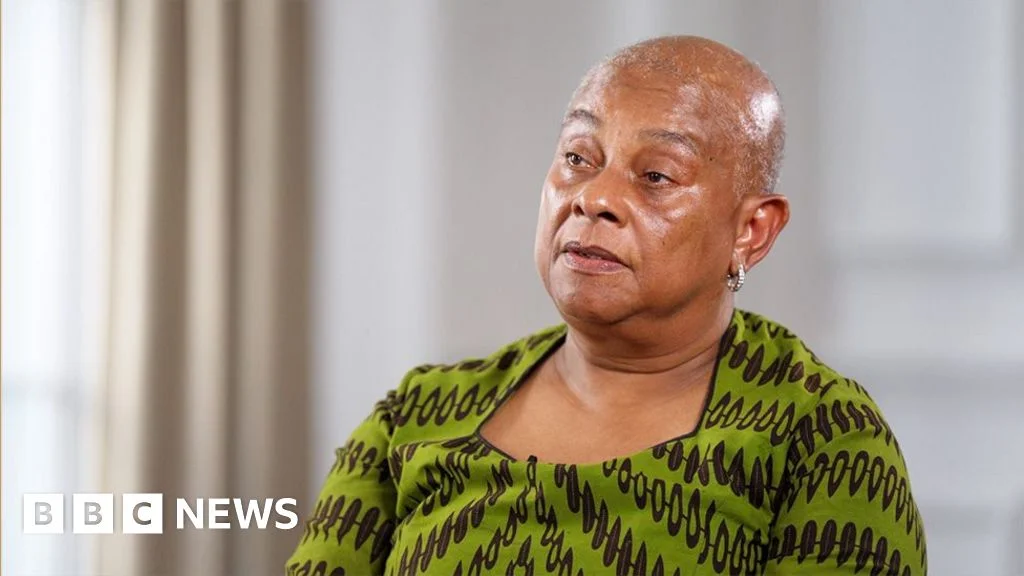
Conversely, Baroness Lawrence stated that learning about the alleged spying made her feel like a "victim again." She compared the newspaper's alleged actions to the original police failures in her son’s case. The core of her argument is a sense of betrayal, believing the newspaper exploited her grief to sell stories while appearing to be on her side.
Deep Dive: The Role of Prince Harry and Third Parties
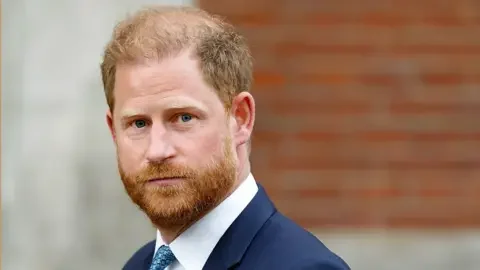
The origin of this legal case is unusual because Baroness Lawrence did not discover the alleged spying on her own. She told the court that Prince Harry contacted her to say she was being hacked. This led her to meet with lawyers who had evidence of surveillance.
Read More: Frank Stronach sexual assault trial begins with emotional testimony from former employees
The newspaper's defense team questioned why it took so long for these claims to be made. They suggested that Baroness Lawrence was persuaded by others to sue. Baroness Lawrence answered that she was focused on grieving and fighting for justice at the time the articles were published, which is why she did not complain earlier.
Deep Dive: Disputed Records and Private Investigators
A major part of the evidence involves invoices and records from private investigators.
The Signature Dispute: Stephen Wright was shown records where his name appeared to commission investigators for illegal work. He claimed his signature was forged and that he did not authorize those specific payments.
ELI Commissions: Wright previously admitted that reporters used firms like ELI because they could find private phone numbers. However, he has since changed this statement, denying he knowingly paid for illegal methods.
Read More: London Labour Councillors Join Green Party Due to Starmer's Policies Before May Elections
Is it possible for a large newsroom to commission private investigators without the lead reporter’s knowledge, or were these records part of a standard operating procedure?
Analysis of Court Proceedings
David Sherborne, representing the claimants, characterized the newspaper's actions as "throwing lorry loads of dirt." He suggested the surveillance was widespread. Stephen Wright countered by saying the legal team was making "spurious claims" because they had no other way to win the case.
Legal observers note that the case depends on two main things:
The Validity of the Records: Whether the invoices from private investigators truly link Daily Mail staff to illegal acts.
The Time Limit: Whether the court will allow the case to proceed even though the events happened many years ago.
Conclusion and Possible Outcomes
The High Court hearing has highlighted a total breakdown in the relationship between the Lawrence family and the Daily Mail.
Read More: Kerala Court Stops Government Program, Says It Looks Like Politics
Findings: The journalist Stephen Wright maintains his innocence, pointing to his long career of helping the family. Baroness Lawrence maintains she was a victim of a sophisticated spying operation.
Implications: If the court finds the newspaper guilty, it could lead to massive fines and damage the reputation of the Daily Mail’s investigative history. If the newspaper wins, it may argue that the claims were encouraged by external parties with their own reasons for suing the press.
Next Steps: The court will continue to hear evidence from other high-profile figures, including Sir Elton John and Elizabeth Hurley, to see if there was a pattern of behavior by the publisher.
Primary Sources
Daily Mail: Claims I spied on Baroness Lawrence are 'despicable' — Wright's court statement and reactions.
BBC News: Ex-Mail reporter denies making payments for Lawrence information — Details on private investigator ELI and forged signature claims.
The Telegraph: Race campaigner ‘immensely hurt’ by accusations — Focus on the emotional impact and "Twitter mob" concerns.
BBC News: Prince Harry told me I was being hacked — Context on how the lawsuit began.
BBC News: Daily Mail made me feel like a victim again — Lawrence's personal testimony on betrayal.
Hacked Off: Baroness Lawrence describes profound sense of betrayal — Summary of the second and third weeks of the trial.
The Independent: Doreen Lawrence tells of disbelief at claim police looked to ‘smear’ family — Historical context on police spying and the atmosphere of the original investigation.
Read More: How the London jobs crisis is affecting women more than men


