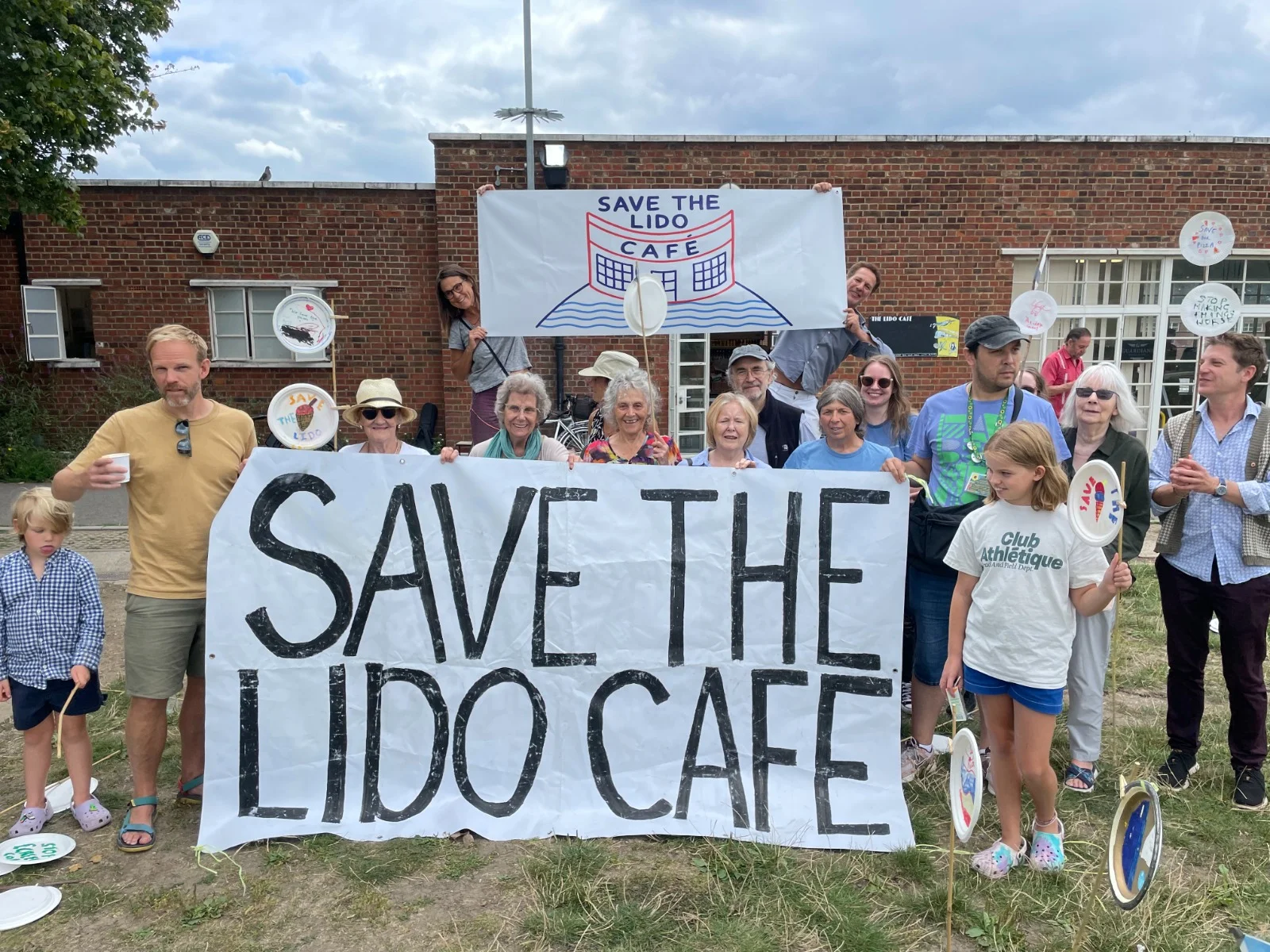
Local residents and existing cafe operators are expressing significant discontent following the City of London Corporation's (CLC) decision to award leases for four popular park cafes to the Daisy Green chain. The move has been described by some as a "David and Goliath" situation, with many feeling that established, community-focused businesses are being displaced by a larger, external company. The controversy centers on the CLC's tendering process and the perceived lack of transparency and community consideration.

The City of London Corporation, responsible for managing public spaces, announced in December 2025 that Daisy Green had been selected as the preferred operator for cafes located at Parliament Hill Lido, Queen’s Park, Golders Hill Park, and Parliament Hill Fields. This decision followed a competitive retendering process where Daisy Green reportedly beat 30 other bidders. However, the current operators, a couple named Patrick Matthews and Emma Fernandez, who have run several of these cafes for up to ten years, along with their patrons and local community members, have voiced strong opposition to the outcome. They have even launched a legal challenge against the CLC's decision.
Read More: How Mellow's Indie Launchpad Helps Small Game Studios Hire Workers

Existing Operators and Community Ties
The cafes in question are more than just places to eat and drink; they are described as vital community hubs.

Community Hubs: The cafes have been utilized for community events, such as children's puppet shows, and have provided a platform for local artists to display and sell their work without charge.
Long-Term Relationships: Operators like Patrick Matthews and Emma Fernandez have cultivated strong relationships with customers over years of operation, fostering a sense of familiarity and belonging. This is highlighted by regular visitors who consider the cafe "part of the community" and a "family."
Notable Patrons: Some of the cafes, like the Parliament Hill Lido Cafe, have served well-known figures, including actors Benedict Cumberbatch and James McAvoy, who have reportedly supported the cafe for a decade.
Staff Impact: The current operations employ a significant number of staff, with approximately 50 people working during peak summer months, raising concerns about job security following the transition.
The City of London Corporation's Stance
The CLC has defended its decision, emphasizing the process and the benefits of the new contract.
Read More: Two London Double-Decker Bus Crashes Injure 18 People in 2025
Competitive Tender: The corporation stated that Daisy Green was chosen after a competitive retendering process that evaluated 30 bids.
Investment and Future Security: The CLC believes that awarding longer-term leases to Daisy Green will enable community investment in the cafe buildings and "secure the cafes’ future."
Broader Benefits: The corporation highlighted Daisy Green's proposal as including investment in cafe buildings, support for community programmes, and a commitment to keeping menus affordable. They also expect Daisy Green to bring "upgraded menus, improved facilities and welcoming spaces."
Individual Site Consideration: The CLC also noted that each cafe was considered individually, and bids that combined multiple sites were not accepted, which seems to contradict the award of four sites to one operator.
Daisy Green's Response
Prue Freeman, co-founder of Daisy Green, has broken her silence amid the controversy, defending the company's selection and outlining its intentions.
Read More: Why PSU Banks and Capital Goods Are Leading the Stock Market Gains
Commitment to Community: Freeman stated that Daisy Green has a "huge focus on community projects" and aims to run "welcoming, affordable and sustainable cafes."
Adherence to Criteria: She asserted that their tender was put forward "based on the criteria we were given" and expressed difficulty in understanding claims of a lack of transparency.
Desire for Collaboration: Freeman indicated she had reached out to the outgoing cafe owners, Patrick Matthews and Emma Gonzalez (sic, article 2), in hopes of finding common ground.
Experience in Food Service: She emphasized her extensive experience, stating she had "spent a lifetime feeding people."
Points of Contention
Several key issues remain at the heart of the dispute, highlighting a divergence in perspectives between the CLC, Daisy Green, and the affected community.
| Aspect | Community & Current Operators' View | City of London Corporation's View |
|---|---|---|
| Transparency | Concerns about a lack of transparency in the tendering process; legal challenge launched. | Defends the process as competitive; questions claims of non-transparency. |
| Community Impact | Believes existing cafes are vital community hubs being replaced by a less personal chain. | Expects Daisy Green to enhance facilities and continue community support, securing long-term viability. |
| Lease Terms | Claims they were denied longer leases, hindering investment, while new leases offer longer terms. | States longer leases under Daisy Green allow for necessary community investment and secure the future. |
| Operator Suitability | Questioning the due diligence conducted by the CLC to assess Daisy Green's suitability. | Cites Daisy Green's bid as meeting criteria for quality food, community spaces, and environmental initiatives. |
| Existing Investment | Years of personal investment and relationship-building potentially disregarded. | Focuses on future potential investment and upgraded facilities under the new operator. |
Legal Challenge and Future Outlook
Patrick Matthews and Emma Fernandez have launched a legal challenge against the CLC's decision. Their primary arguments reportedly revolve around the due diligence conducted by the CLC and questioning the rationale for putting the leases out for tender, particularly as they had repeatedly sought longer leases to develop their businesses. The outcome of this legal action is keenly awaited, as it could potentially impact the transition of operations to Daisy Green, which is slated to begin in spring 2026.
Read More: London Labour Councillors Join Green Party Due to Starmer's Policies Before May Elections
Sources Used:
London Evening Standard: https://www.standard.co.uk/news/london/daisy-green-cafe-london-hampstead-hoxton-beach-b1271439.html
Camden New Journal: https://www.camdennewjournal.co.uk/article/daisy-green-owners-say-they-will-not-walk-away-from-hampstead-heath-cafes-takeover-deal
The Independent: https://www.independent.co.uk/news/uk/home-news/daisy-green-hampstead-heath-london-cafes-b2888494.html
The Caterer: https://www.thecaterer.com/news/city-of-london-corporation-defends-daisy-green-cafe-takeover
Morning Star: https://morningstaronline.co.uk/article/anger-four-indy-north-london-cafes-handed-daisy-green-chain
The Argus: https://www.theargus.co.uk/news/national/25751453.couple-launch-legal-challenge-takeover-hampstead-heath-cafes/
Britbrief: https://www.britbrief.co.uk/business/property/hampstead-heath-cafe-takeover-sparks-community-outrage.html
The Coffee Post: https://thecoffeepost.net/coffee-news/australian-entrepreneurs-daisy-green-cafe-group-faces-london-community-backlash-beanscene/