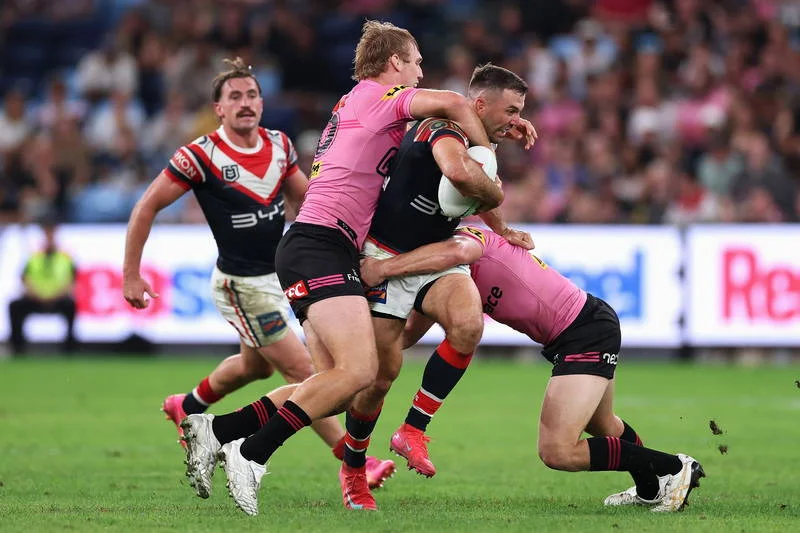
Recent changes to the State of Origin eligibility rules now permit players to represent New Zealand or England internationally without forfeiting their chance to play for New South Wales or Queensland. This marks a significant shift from previous regulations that required players to choose between international duties with "Tier One" nations and the highly anticipated interstate competition. The updated rules aim to align international eligibility with existing State of Origin criteria, potentially allowing more players to participate in the popular rugby league event.
The core criteria for State of Origin eligibility remain the same:

A player must be born in New South Wales or Queensland.
A player must have lived in New South Wales or Queensland before turning 13 years old.
A player's father must have played State of Origin.
These existing conditions must still be met, but the barrier concerning international representation for New Zealand and England has been removed.
Background to the Rule Changes
Discussions around State of Origin eligibility gained momentum in the lead-up to the rule update, highlighted by instances of players being unable to represent their home states due to prior international commitments. For example, Kaeo Weekes, described as a "proud Maori, proud New Zealander and a proud Queenslander," was identified as a player whose situation prompted a review. Previously, players who represented Tier One nations like New Zealand and England were ineligible for State of Origin. This created a situation where players had to make a definitive choice between their international career and their state allegiance.
Read More: Panthers and Roosters Play Key Games Before Season Starts

ARLC Chairman Peter V'landys publicly acknowledged the need to review these rules, noting that players from Tier Two nations such as Samoa and Tonga were already able to play Origin while representing their countries. The sentiment expressed by V'landys was, "If a player is eligible to play State of Origin, it makes no sense to exclude them simply because they’ve represented New Zealand or England at Test level." This indicated a move towards a more inclusive approach that prioritizes a player's connection to the Australian states over their international team affiliations.
Impact on Key Players
The updated rules have immediate implications for several prominent players:

Kalyn Ponga: Already eligible for Queensland, Ponga can now potentially represent New Zealand internationally without losing his State of Origin status. This addresses a situation where he had reportedly declined opportunities to play for New Zealand in the past due to his desire to participate in Origin.
Addin Fonua-Blake: Now eligible to play for New South Wales, Fonua-Blake's inclusion could create a formidable front-row partnership with Payne Haas.
AJ Brimson: Having previously represented England, which made him ineligible for Origin, Brimson is now eligible to play for Queensland again.
Victor Radley: Similar to Brimson, Radley's past representation of England had previously excluded him from Origin contention. He is now eligible to play for his state if he meets the other criteria.
Isaiya Katoa: Previously playing for Tonga, Katoa could now potentially switch to represent New Zealand and still be eligible for New South Wales.
Read More: Coles Accused of Tricking Shoppers with Fake Sales
These players represent a notable group who can now navigate their international and state careers with greater flexibility.
Rationale for the Modernisation
The ARL Commission's decision to modernise the eligibility rules is presented as a logical evolution for the sport. Chairman Peter V'landys AM stated that the changes were "necessary and logical." The core principle behind the update appears to be that a player's existing connection to New South Wales or Queensland should be the primary determinant of their Origin eligibility, irrespective of their international commitments.
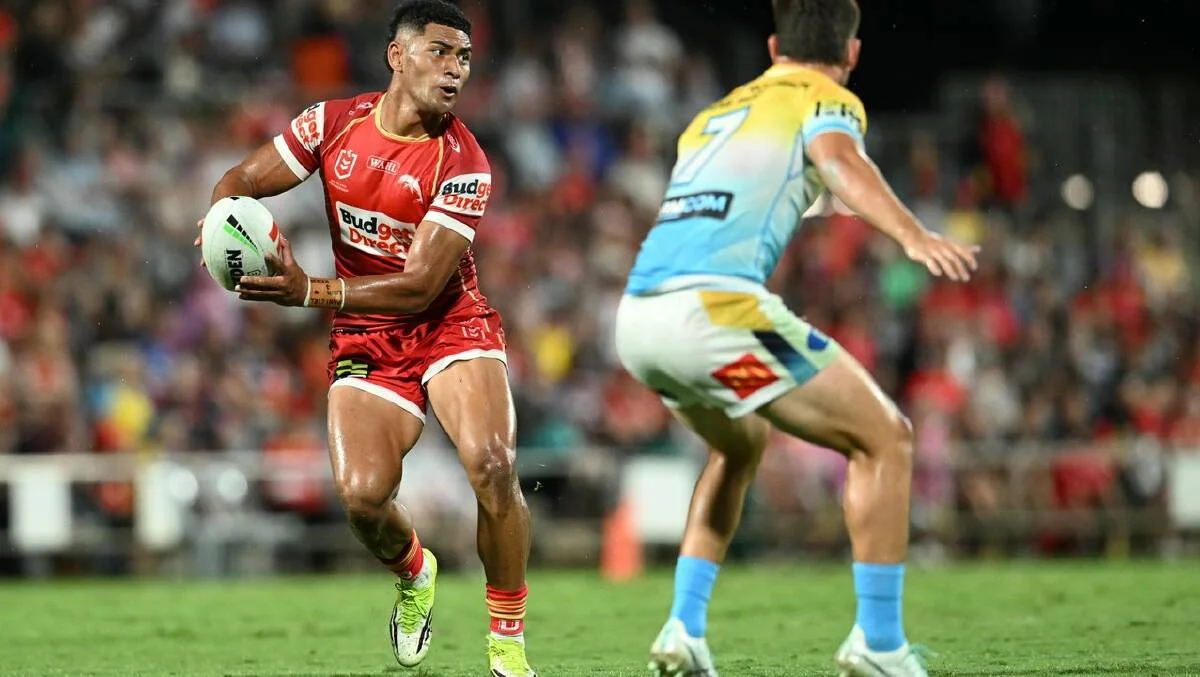
This change places New Zealand and England in a similar position to Pacific nations like Samoa and Tonga, whose players have long been able to represent their countries internationally and play in State of Origin if they meet the state-based criteria. The decision aims to strengthen the State of Origin concept by allowing a broader pool of eligible, high-calibre players to participate, while also acknowledging the international careers of these athletes.
Analysis of the Shift
The modification to State of Origin eligibility rules represents a substantial departure from past practices. Previously, a player's choice to represent a Tier One nation like New Zealand or England automatically precluded them from State of Origin selection. This created a "pick-one" scenario, often forcing difficult decisions for players with dual allegiances. The previous system also meant that some of the game's most talented individuals, who chose to play for nations other than Australia at the international level, were absent from one of rugby league's marquee events.
Read More: Bulldogs Player Leo Thompson Out for 10 Weeks with Calf Injury
The new framework removes this conflict, suggesting that a player's birthplace, upbringing in a particular state, or familial legacy should be the paramount factors in their Origin eligibility. The phrase "If you’re eligible, you should be able to play for your State" encapsulates this new philosophy. This adjustment is expected to enhance the quality and appeal of the State of Origin series by including players who might have previously been excluded.
Expert Commentary
ARLC Chairman Peter V’landys AM emphasized the rationale behind the changes: "If a player is eligible to play State of Origin, it makes no sense to exclude them simply because they’ve represented New Zealand or England at Test level." He also noted that the discussion surrounding these changes would not be without controversy.
The decision has been described as a "massive shake-up" and a "landmark change" to the State of Origin concept, signaling its significance within the sport.
Conclusion and Implications
The overhaul of State of Origin eligibility rules is a significant development for rugby league. By decoupling international representation for New Zealand and England from Origin selection, the Australian Rugby Football League Commission (ARLC) has created a more inclusive pathway for players. This move is expected to lead to a stronger, more competitive State of Origin series, as more talented players will now be available.
Read More: Australia Will Not Bring Home IS-Linked Families from Syria; Tobacco Tax Freeze Talked About
The core eligibility criteria—birthplace, early residency, or parental history in New South Wales or Queensland—remain the definitive requirements. The key alteration is the removal of the previous prohibition on players who have represented Tier One nations internationally. This change acknowledges the evolving landscape of international rugby league and aims to maximize player participation in this highly popular domestic competition. The impact of these new rules will be keenly observed in upcoming State of Origin selections and player decisions regarding their international futures.
Sources:
NRL.com: "State of Origin international eligibility rules modernised" - https://www.nrl.com/news/2026/02/16/state-of-origin-international-eligibility-rules-modernised/
News.com.au: "NRL changes State of Origin eligibility rules in massive shake-up" - https://www.news.com.au/sport/nrl/nrl-changes-state-of-origin-eligibility-rules-in-massive-shakeup/news-story/b9f2cd024fa06f8d0c4e5cdcf82eafc7
ABC News: "NRL announces State of Origin eligibility overhaul" - https://www.abc.net.au/news/2026-02-16/nrl-announces-origin-eligibility-changes/106349066
ESPN: "Rugby league State of Origin eligibility rules updated to allow internationals" - https://www.espn.com/nrl/story//id/47941255/rugby-league-state-origin-eligibility-rules-updated-allow-internationals
Fox Sports Australia: "V’landys flags big Origin eligibility review as Raiders gun’s snub exposes glaring issue" - https://www.foxsports.com.au/nrl/nrl-premiership/nrl-2025/peter-vlandys-confirms-review-of-origin-eligibility-rules-state-of-origin-new-zealand-and-england-kaeo-weekes-decision-news-videos-highlights/news-story/39eb0eb994a2f0edae48a61dffcd3f24
The Examiner: "Fonua-Blake, Ponga to benefit from big Origin change" - https://www.examiner.com.au/story/9175605/fonua-blake-ponga-to-benefit-from-big-origin-change/
The Sydney Morning Herald: "NRL approves landmark change to State of Origin eligibility rules" - https://www.smh.com.au/sport/nrl/nrl-approves-landmark-change-to-state-of-origin-eligibility-rules-20251210-p5nmgw.html
7NEWS: "Peter V’landys flags major change to State of Origin rules" - https://7news.com.au/sport/rugby-league/peter-vlandys-flags-major-change-to-state-of-origin-eligibility-rules-c-19469354
ESPN Australia: "Tough calls need to be made on State of Origin eligibility" - https://www.espn.com.au/nrl/story//id/45874120/state-origin-eligibility-tied-strengthening-international-game
The Roar: "NRL News: Origin eligibility overhaul for Kiwis and Poms, V'landys slams AFL, Defiant Des declares he's not done" - https://www.theroar.com.au/2025/07/25/nrl-news-origin-eligibility-overhaul-on-the-way-for-kiwis-and-poms-vlandys-slams-afl-panthers-lock-in-key-forward/
Read More: Kalyn Ponga Stays With Knights Until 2027, But Questions Remain