
SpaceX has scrubbed the highly anticipated launch of its Starship V3 megarocket, initially slated for May 21, 2026, from its Texas facility. The postponement comes after a series of countdown interruptions and unaddressed last-minute technical issues. The company has indicated plans to reschedule the test flight for Friday, May 22, 2026. This latest iteration, Starship V3, represents a significant step in the ongoing development of SpaceX's interplanetary ambitions.

The scrubbed liftoff was preceded by extensive preparations for what was to be the twelfth test flight for the Starship program. Notably, this mission was intended to feature the debut of the new-generation Super Heavy booster alongside the Starship V3 vehicle itself. SpaceX aims to eventually use this system for lunar and Martian missions, a long-term objective underscored by the company's broader aspirations, including a potential "smashing" stock market debut.
Read More: SpaceX Starship V3 Launch Today: Test Flight 12 in Texas
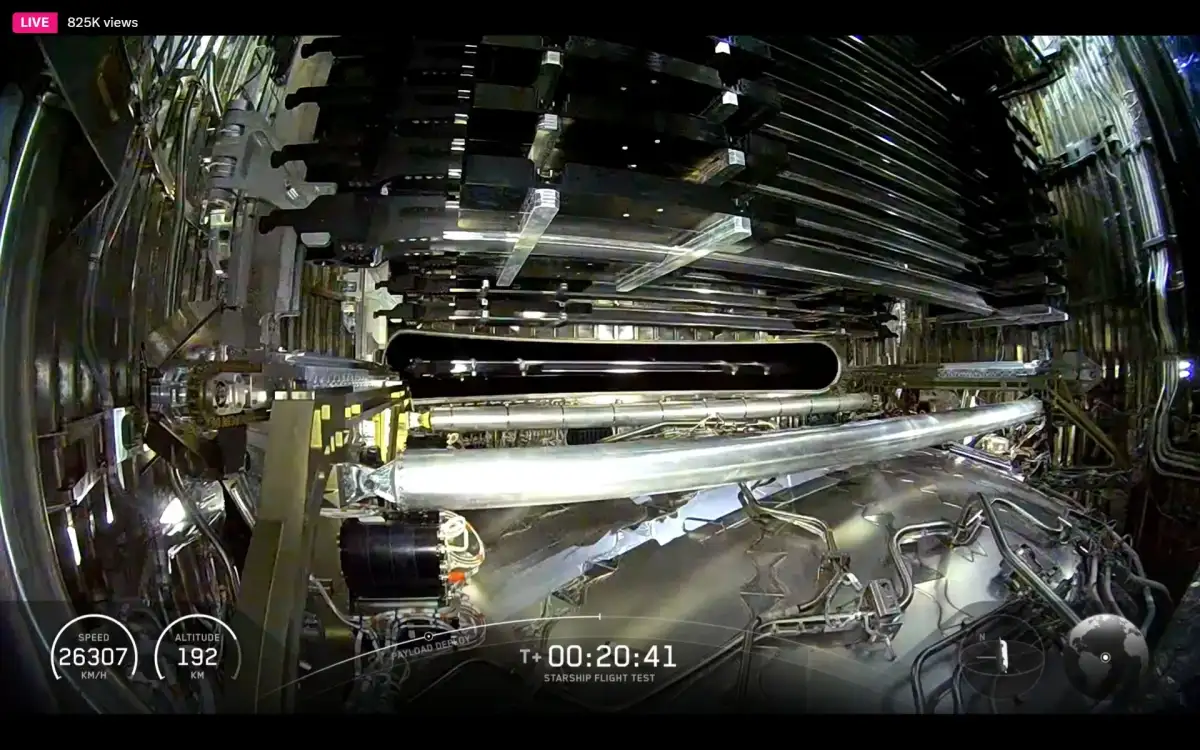
The decision to delay the launch was communicated by SpaceX spokesperson Dan Huot, who cited engineers' inability to resolve "last-minute problems" within the required timeframe. Specific details regarding the nature of these obstacles were not provided. The company also indicated that the booster recovery maneuver, a signature capability previously demonstrated, would not be part of this rescheduled attempt.
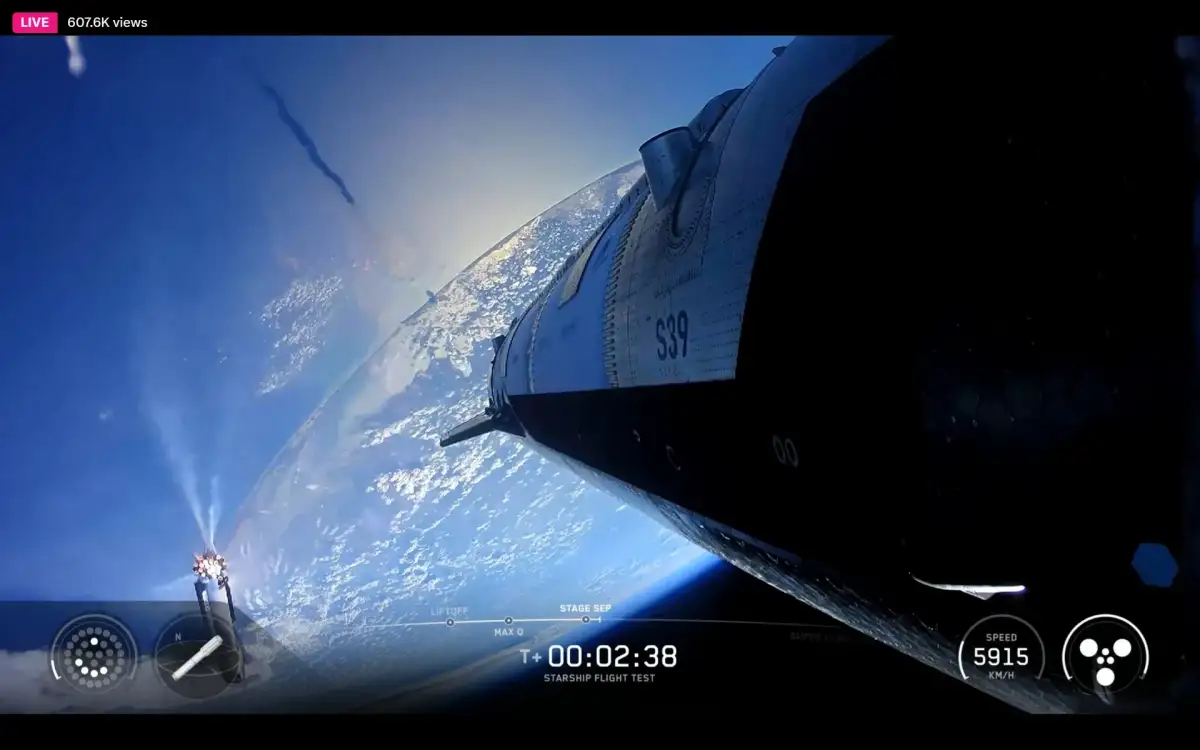
This development arrives as SpaceX, founded by Elon Musk, continues its push to become a dominant force in the aerospace industry. The company, already known for its reusable Falcon 9 and Falcon Heavy rockets and its Starlink satellite constellation, which fuels significant revenue, is under intense scrutiny. Industry observers, like former NASA research center director Scott Hubbard, suggest the company will be "scrutinized closely" as it pursues its ambitious goals, including a lunar mission in collaboration with NASA and its anticipated public offering.
Read More: Chrome mimeHandler API lets extensions handle file types
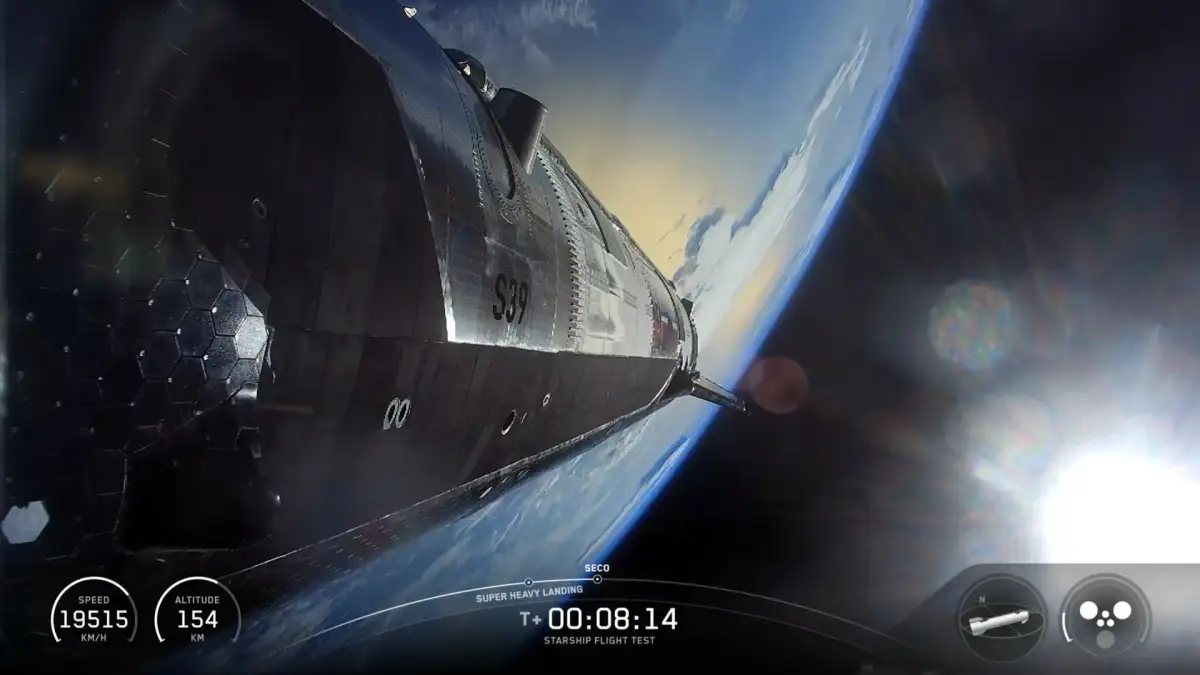
The Starship program is central to SpaceX's vision for future space exploration, with plans encompassing not only orbital tests but also eventual interplanetary voyages and the potential colonization of Mars. SpaceX has been providing live coverage of its launch activities, including Starship and Falcon 9 missions, drawing in enthusiasts of space technology and exploration. While this particular launch faced a setback, the company's consistent efforts in developing and testing its rocket systems, like the successful "fiery splashdown" of Starship V3 on a previous flight test, underscore its persistent pursuit of its stated objectives.