


Prime Minister Keir Starmer is grappling with mounting pressure to resign following significant local election defeats, which have emboldened dissent within his own party. More than 30 Labour MPs have publicly called for his resignation or a clear timetable for his departure. This surge in discontent follows disastrous local and regional election results where Labour lost approximately 1,000 council seats across England and ended a 27-year hold on power in Wales. The anti-immigration party Reform U.K. notably secured nearly 1,300 seats, achieving second place in Wales and substantial gains in Scotland.
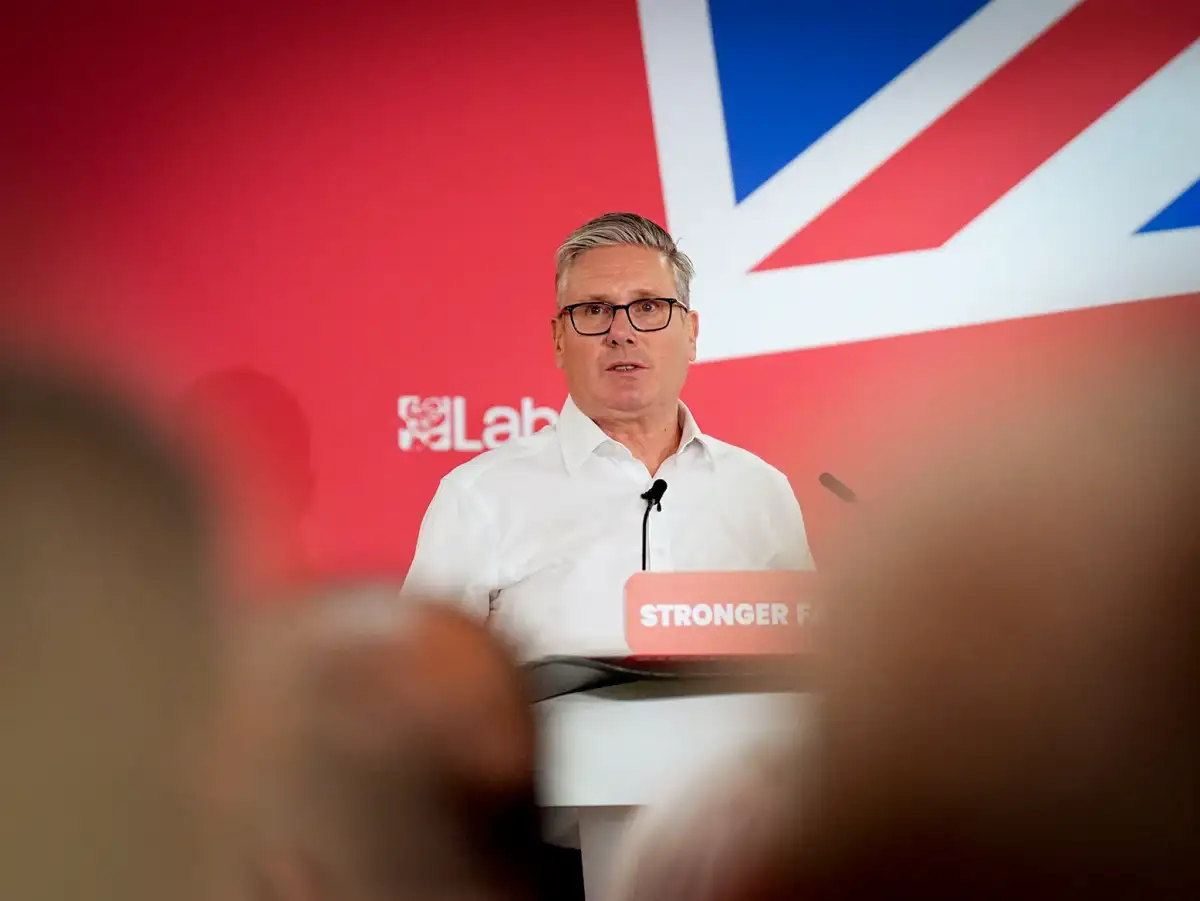
Starmer's leadership is now seen to hinge on his ability to articulate a compelling vision and manage internal party divisions. =He is set to deliver a significant speech on Monday, aiming to reset his premiership and silence mounting criticism.= Backbencher Catherine West has indicated she might initiate a leadership contest following this speech, signaling a potential escalation of the challenge.
Read More: Australia Budget 2026: Tax Changes Affect Property and Workers
Internal Challenges and Potential Successors
"The prime minister faces much deeper-rooted problems."
The internal strife is exacerbated by questions surrounding Starmer's judgment, particularly concerning appointments and security clearances. The scrutiny on his handling of the Peter Mandelson affair, where past associations with Jeffrey Epstein came to light, has drawn parallels to strategies previously employed against political opponents. =This situation has eroded confidence among some Labour MPs, leading to a reluctance to publicly defend him.=

While Angela Rayner, a potential challenger, has publicly criticized Starmer's leadership and advocated for a more left-wing agenda, her precise stance on a leadership contest remains nuanced. ===She has called for Andy Burnham to be allowed back into the Commons and has not directly challenged Starmer, but is reportedly keeping her options open. This opens the door for figures like Wes Streeting or Yvette Cooper* to be considered as alternative candidates if Burnham remains outside of Parliament and no other strong contender emerges.
Read More: UK Economy Grows 0.6% in Early 2026, Services Lead

Broader Political Landscape and Starmer's Response
Starmer's premiership has been characterized by accusations of lacking a clear focus and vision, a critique he is attempting to counter with pledges of "renewal." ===Despite a challenging domestic political climate, Starmer has also been actively engaged in international affairs, including meetings with world leaders regarding the conflict in Ukraine.* He points to economic indicators such as interest rate cuts and wage growth outpacing inflation as signs of progress.
However, the immediate political reality for Starmer is dominated by the electoral drubbing and the internal pressure to step down. ===He has asserted that he is "not going anywhere" and argued that the public would not benefit from a change in leadership, while acknowledging that the government has made mistakes.* The upcoming speech is his primary vehicle to project a renewed sense of purpose and convince both party members and the wider electorate of his capacity to lead.
Read More: HMRC Clears Angela Rayner in Stamp Duty Case; Leadership Questions Remain
Background
The current political turmoil for Prime Minister Keir Starmer comes after a period where he has reportedly struggled to secure a strong "political honeymoon." ===His administration has faced persistent challenges in energizing the party's base and projecting a distinct ideological direction, often described as a "managerial command."* The rise of Reform U.K. as a significant political force adds another layer of complexity, with Starmer identifying them, rather than the Conservatives, as Labour's principal adversary. The possibility of changing party leaders mid-term without triggering a general election remains a key procedural aspect of the current situation.


