:max_bytes(150000):strip_icc()/Rhubarb-Sour-FT-MAG-RECIPE-0325-8b019bb8ae774861bb954b9fc87e0936.jpg)
As the vernal equinox fades, a palpable shift is occurring in the beverage landscape. This spring, mixed drinks are veering toward the effervescent, the fruit-forward, and the surprisingly herbal. This aligns with an established trend where warmer weather correlates with a desire for lighter, brighter concoctions, a sentiment echoed by purveyors of domestic libations.
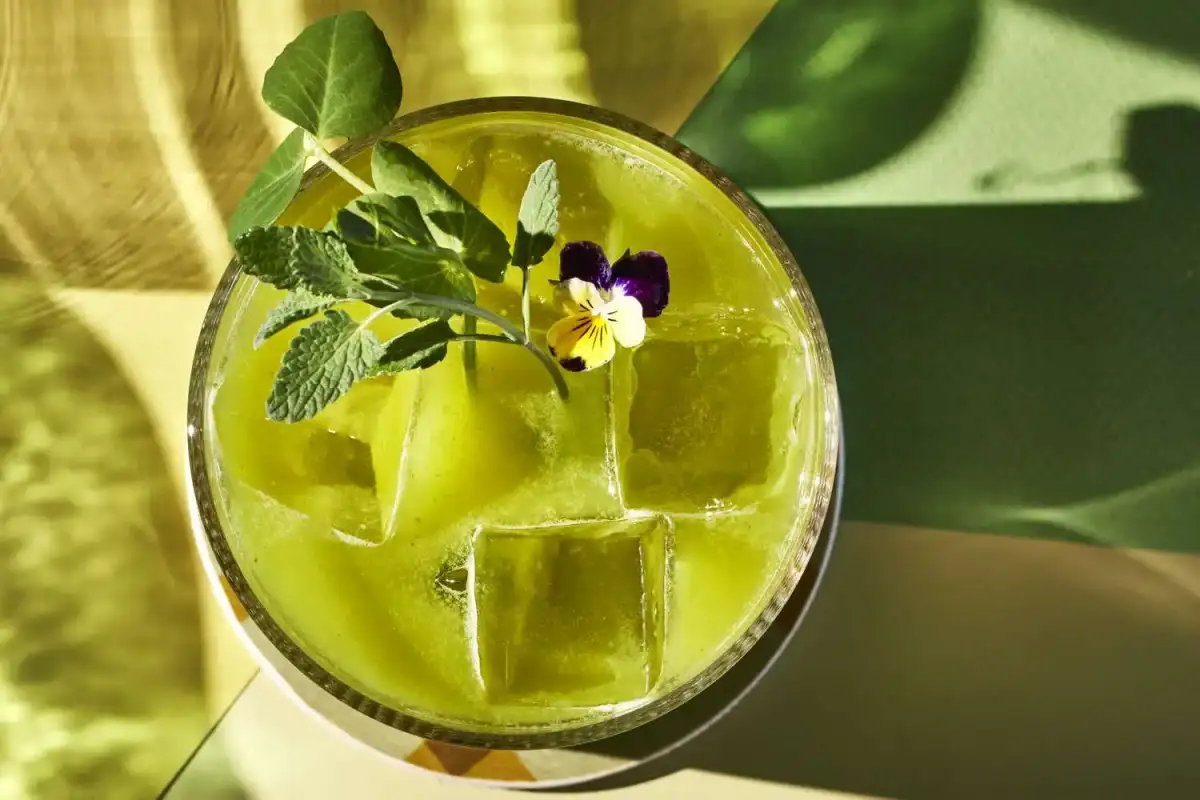
The proliferation of spritzes, slushes, and other light, often bubbly, drinks marks a clear departure from heavier winter fare. Ingredients like elderflower liqueur, rhubarb, raspberries, and grapefruit are appearing with notable frequency across a range of publications detailing seasonal drinking habits. This suggests a deliberate move towards palates that anticipate outdoor gatherings and a desire for refreshment that doesn't overwhelm.
Ingredients and Ratios Signal a New Temperament
Specific ingredient combinations point to a nuanced approach to spring mixology. Publications are highlighting recipes that blend familiar spirits with floral notes, citrus, and even subtle spice.
Read More: King Arthur Cafe Site Becomes Tino Bistro in Late April
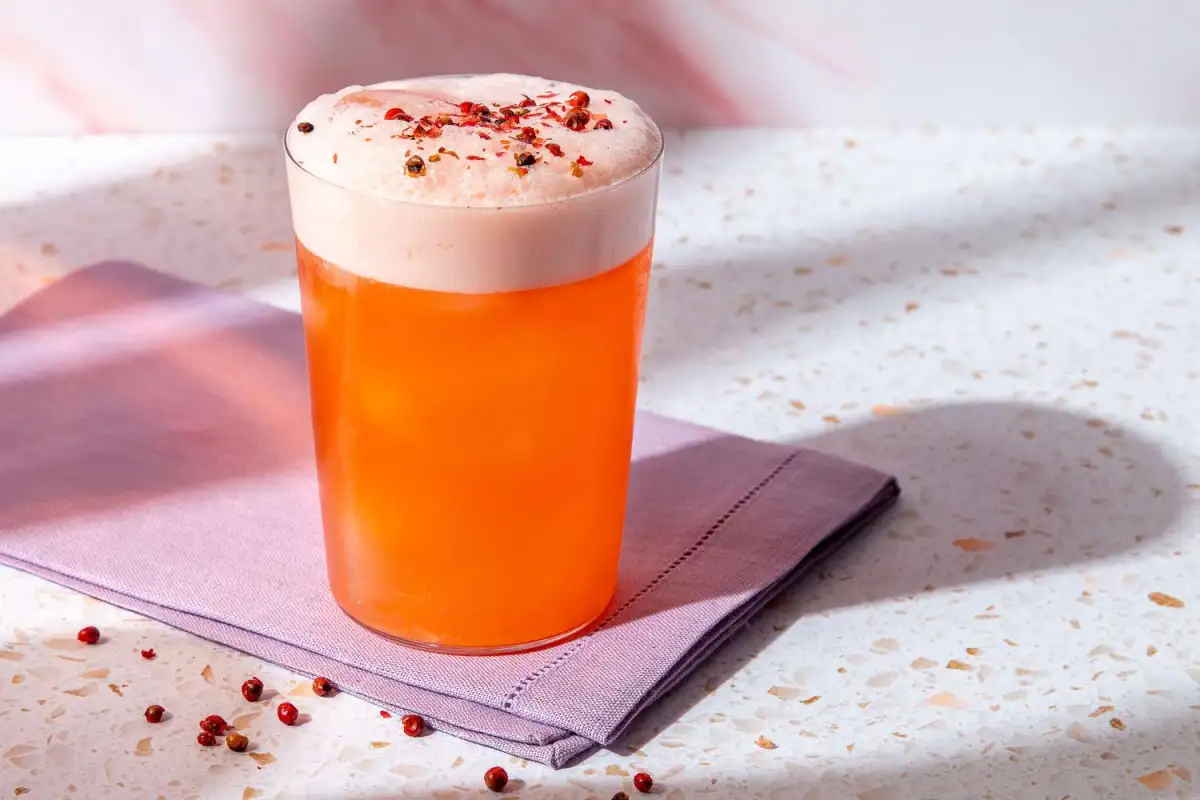
Gin-based concoctions are making a strong showing, often paired with elderflower or grapefruit. One recipe details a mix of Bombay Sapphire, St-Germain, Lillet Blanc, and grapefruit juice, built over ice in a balloon glass. Another recipe incorporates gin with rhubarb-infused syrup, lemon, and egg white for a frothy profile.
Whiskey is not entirely absent, though its application appears more refined. Dewar’s 12 Year Old features in recipes calling for St-Germain and lemon, as well as a more complex blend involving mango liqueur, various juices, simple and ginger syrups, and cardamom bitters.
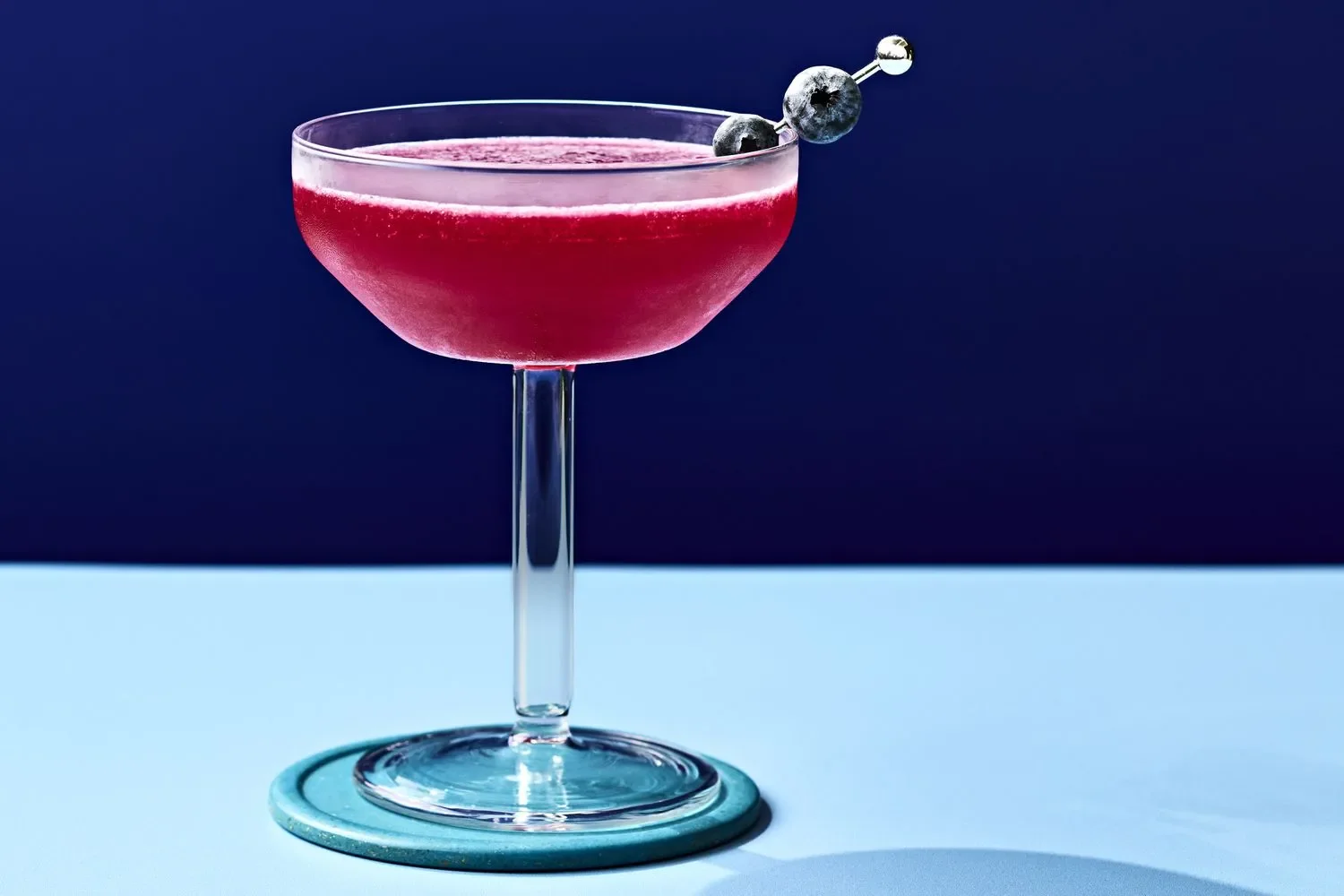
Non-alcoholic options are gaining traction, signaling an inclusive approach to seasonal celebrations. A raspberry and rose water shrub cocktail, described as tart and floral, stands as an example.
The Rise of the "Al Fresco" Drink
The underlying ethos for these emerging spring drinks appears to be their suitability for consumption in open-air settings. A recurring theme is the beverage's ability to “taste great outdoors,” with an emphasis on seasonal produce and a certain lightness that complements milder temperatures.
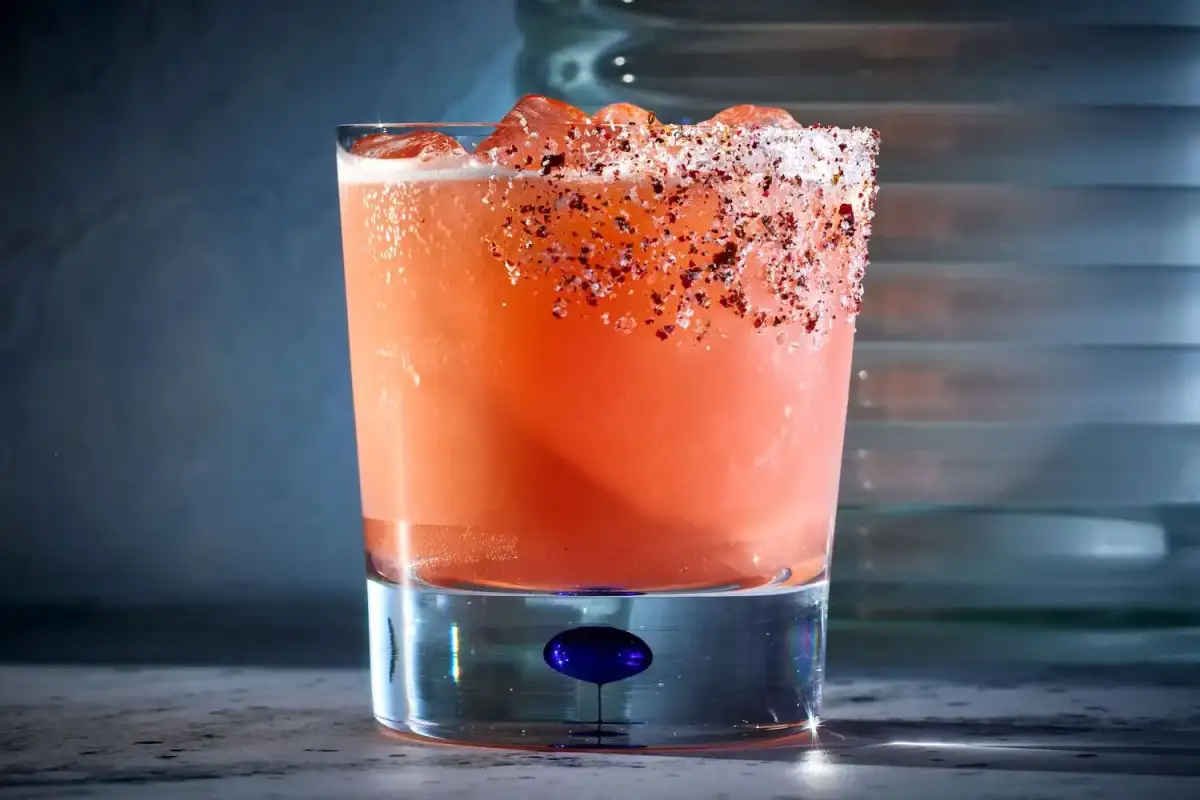
This focus on outdoor suitability is further evidenced by the inclusion of lower-ABV (Alcohol By Volume) options. These are presented as flavorful alternatives that remain "lighter" in format, ideal for casual, outdoor gatherings. This suggests a broader consumer inclination towards moderation or a preference for drinks that can be enjoyed over a longer period without the intensity of stronger spirits.
A Season of Refreshment and Subtle Complexity
The data gathered from various sources points to a distinct trend:
| Publication | Featured Themes/Ingredients | Emphasis |
|---|---|---|
| Resident | Elevated recipes, RTD picks, specific spirit mixes | Detail-oriented recipes, varied spirits |
| Epicurious | Seasonal produce, fresh herbs, fizzy drinks, lower-ABV | Freshness, outdoor enjoyment, lighter options |
| Food & Wine | Non-alcoholic options, rhubarb, floral notes, orange wine | Variety, taste, and visual appeal |
| How Sweet Eats | Spritzes, kombucha, grapefruit margaritas, mocktails | Popular trends, broad appeal |
| Cosmopolitan | Pineapple-basil, tequila-based | Fruity, herbaceous notes |
| Southern Living | Elderflower, classic cocktails (Transfusion, Daiquiri, Margarita) | Batch drinks, heritage, crowd-pleasers |
| Delish | (Details unavailable) | Celebration-oriented |
| Bartend Long Island | (Details unavailable) | Seasonal selection |
Historical Context
This trend toward lighter, fruitier, and more effervescent drinks in spring is not entirely novel. Historically, the shift from winter’s warming spirits to summer’s cooling libations has always involved an increased emphasis on citrus, herbs, and carbonation. However, the current discourse seems to highlight a greater diversity in both alcoholic and non-alcoholic offerings, alongside a sophisticated use of floral and herbal infusions. The inclusion of "ready-to-drink" options also indicates a consumer appetite for convenience that complements the desire for seasonal refreshment.
Read More: What guests notice when entering your home in April 2026