:max_bytes(150000):strip_icc()/Rhubarb-Sour-FT-MAG-RECIPE-0325-8b019bb8ae774861bb954b9fc87e0936.jpg)
As the chill of winter recedes, a distinct shift is occurring in the beverage landscape. This spring, the focus leans towards drinks that echo the season's emerging vibrancy, moving away from heavier, spirit-forward concoctions towards lighter, fruit-infused, and effervescent creations.
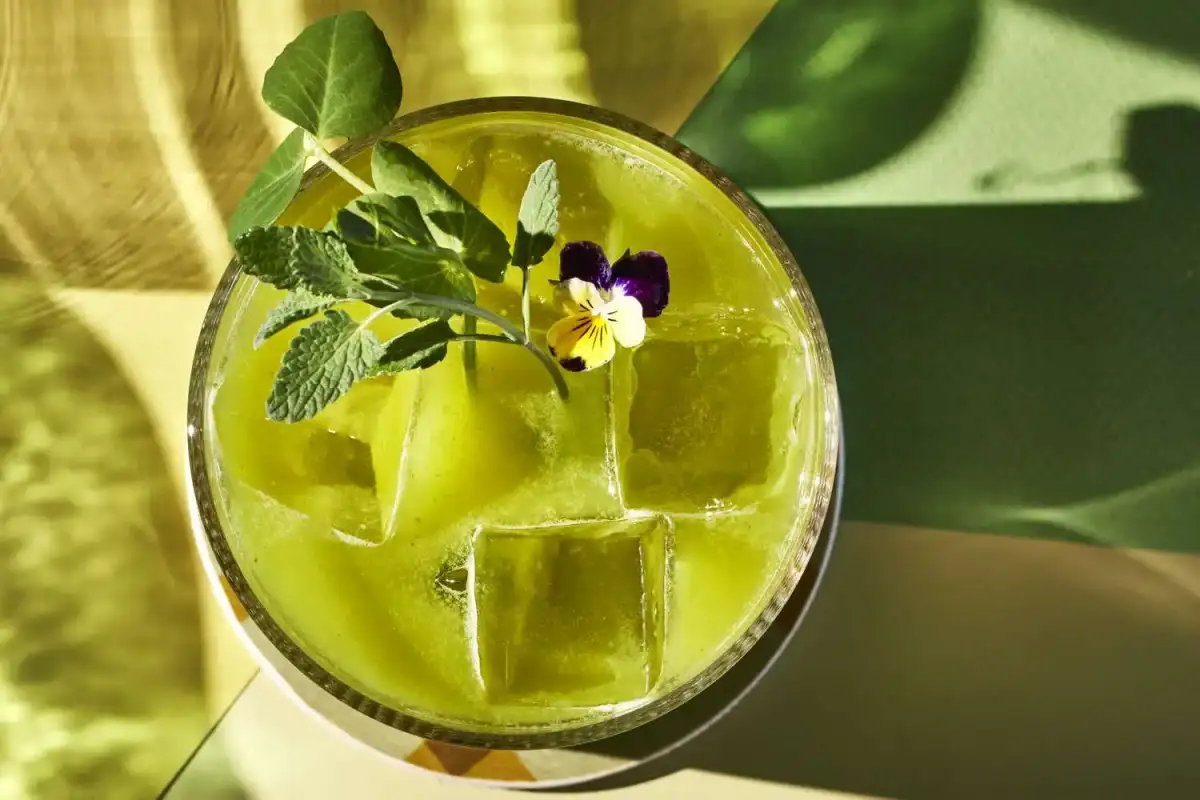
The 'spritz' category, a perennial favorite, continues its dominance, offering a spectrum of bittersweet and herbaceous alternatives to the ubiquity of the Aperol Spritz. This trend highlights a consumer desire for nuanced flavors, moving beyond saccharine sweetness. Recipes circulating point to combinations like Campari with prosecco and soda water, or the use of Cappelletti, Cynar, and Select as bases for similar effervescent drinks. For those seeking an herbaceous twist, a Rosemary Aperol Spritz or a Cucumber-Basil Gin Spritz are also being cited as refreshing departures.
Beyond the spritz, the concept of a "shrub cocktail" is gaining traction. The Sharab Rose Raspberry Shrub Cocktail, for instance, is noted for its tartness derived from raspberries and rose water, presented as a nonalcoholic option that bridges the gap between a spritz and a classic egg cream. This indicates an increasing interest in sophisticated, layered nonalcoholic choices that don't merely substitute but offer their own distinct profile.
Read More: King Arthur Cafe Site Becomes Tino Bistro in Late April
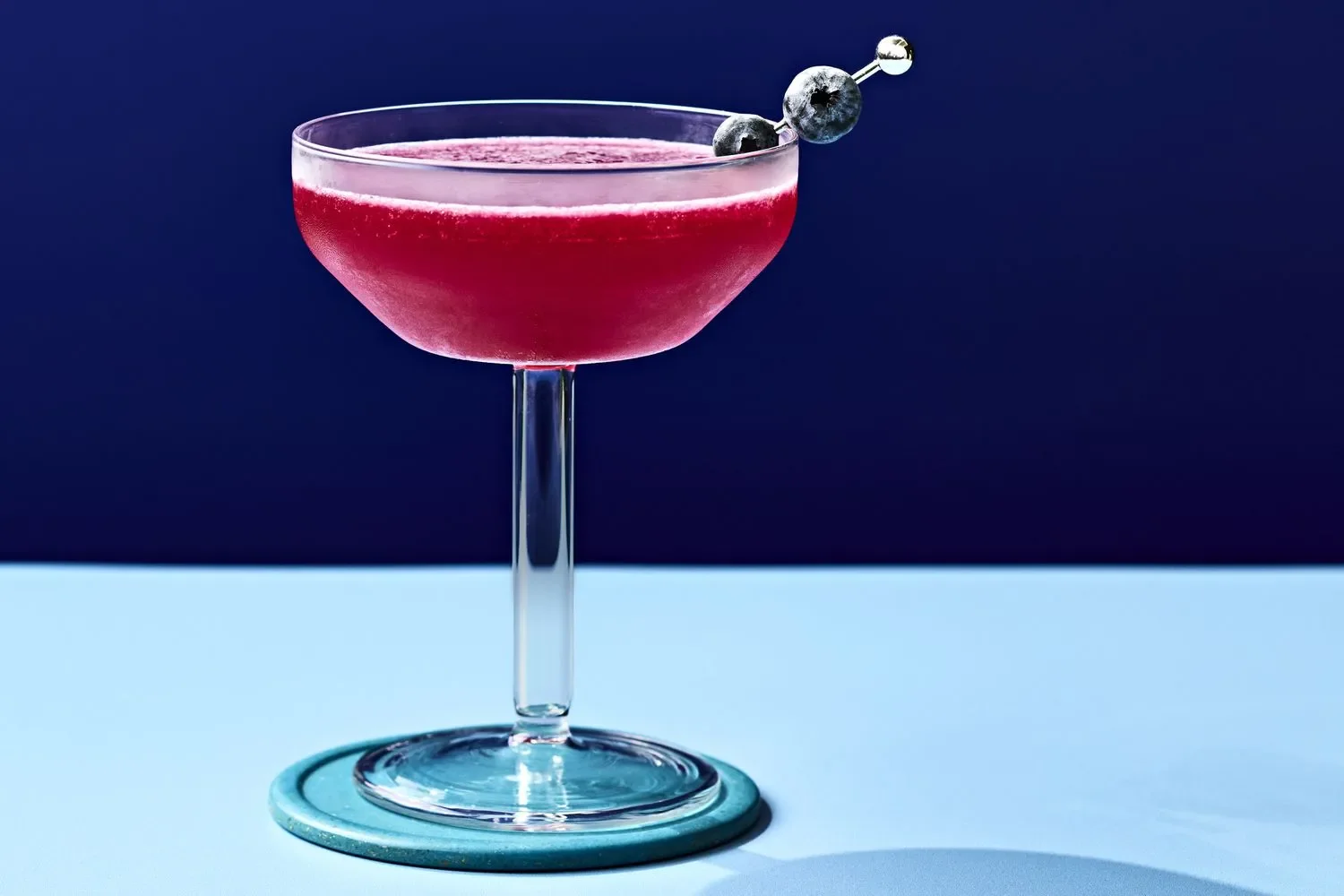
The underlying sentiment appears to be a collective readiness to embrace warmer weather and a festive mood, translating into a demand for cocktails that visually and olfactorily represent sunshine and renewal. Ingredients like rhubarb, raspberry, and floral notes such as rose water are emerging as key components in these springtime preparations. These ingredients contribute to the characteristic bright hues and fresh, often tart, flavor profiles that define the season's preferred drinks.
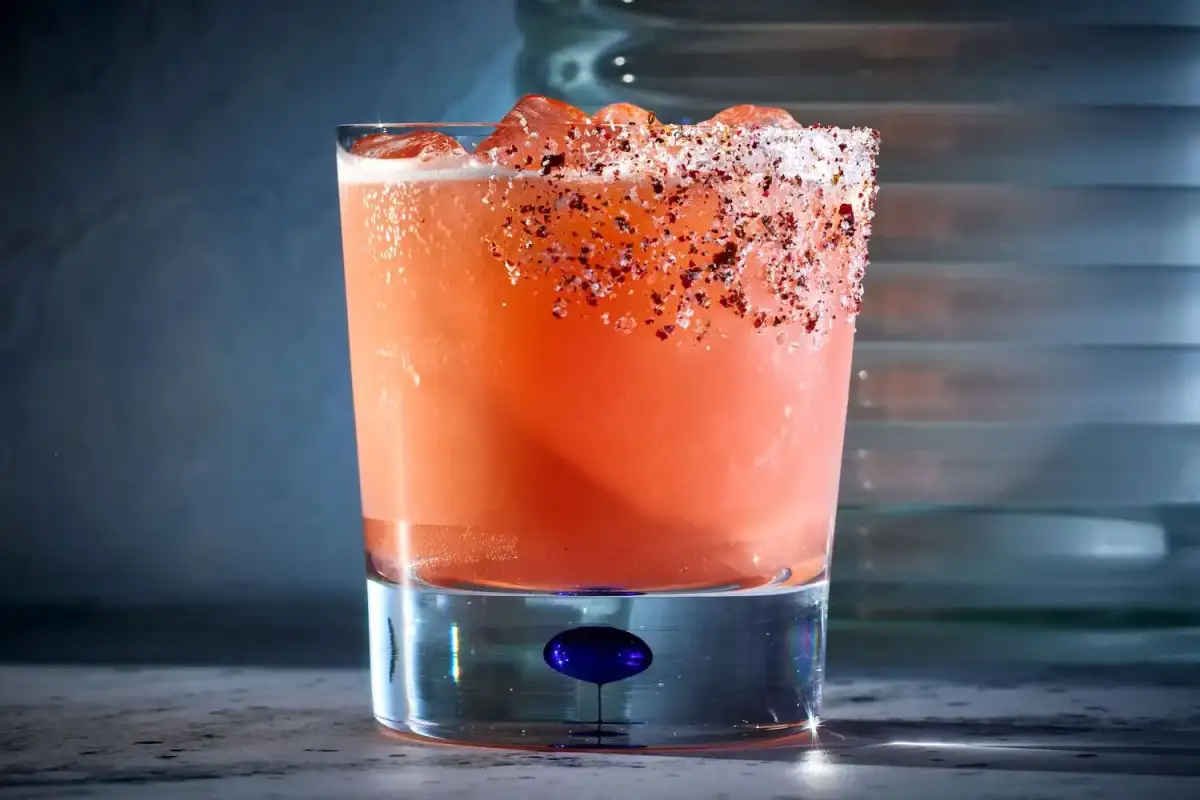
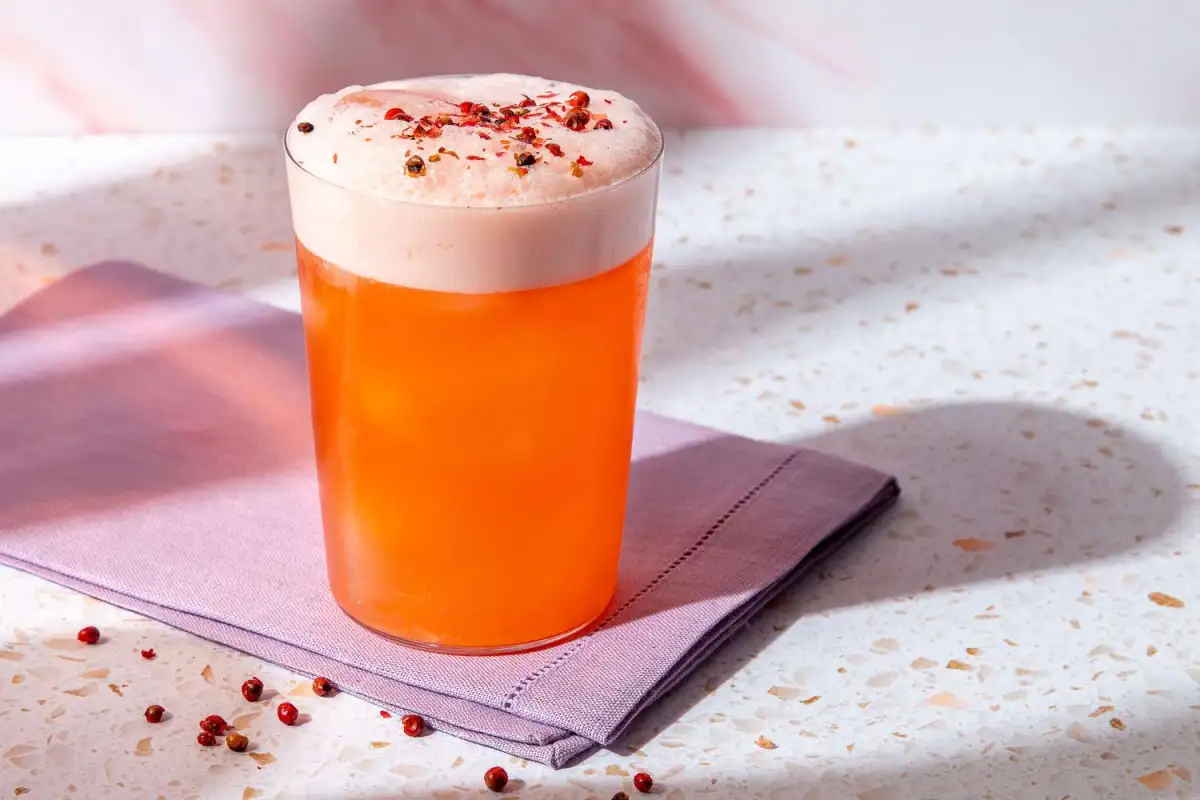
The practical execution of these spring beverages involves a mix of familiar spirits and novel infusions. Vodka, gin, and tequila feature prominently, often paired with citrus juices like lemon and lime. However, the inclusion of lavender simple syrup, honey syrup, and fruit liqueurs like Lillet Rosé and grapefruit liqueur adds layers of complexity. The creation of drinks such as the Rhubarb Gin Sour, which utilizes an egg white for a frothy texture, and a Mezcal-based concoction with pineapple and orange bitters, showcases an ongoing exploration of varied textures and flavor combinations.
Read More: What guests notice when entering your home in April 2026
This pivot towards lighter, brighter drinks isn't confined to alcoholic beverages. The mention of slushes alongside spritzes in some culinary discussions suggests an informal, yet pervasive, inclination towards refreshing, perhaps even nostalgic, frozen drinks as temperatures rise. The broader context frames these cocktail choices as a seasonal ritual, a tangible way to mark the transition from winter's introspective mood to spring's more outward-facing, celebratory disposition.
The discourse around these drinks, as observed across various online platforms, often employs language evoking sensory experiences – "taste like straight-up sunshine," "bright orange," "frothy," and "tart, bittersweet." This suggests that the aesthetic and the sensory appeal are as crucial as the ingredients themselves in defining the success of a spring cocktail.