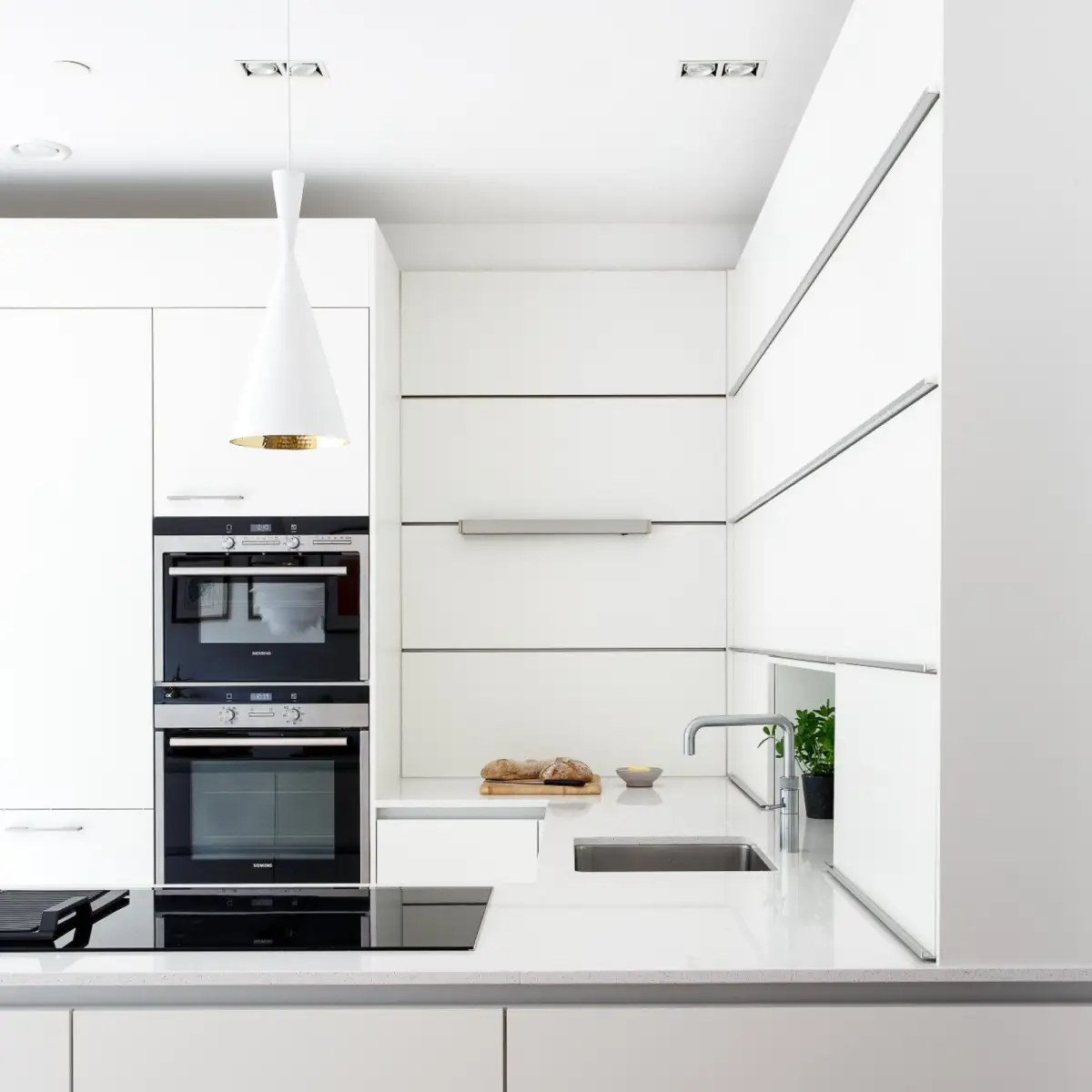
Weekly Habits and the Art of Decluttering
Those who maintain spotless kitchens often adhere to a few fundamental practices, prioritizing tasks that prevent buildup and maintain order. The recurring theme centers on addressing messes promptly, a strategy that seems to dictate the difference between a perpetually tidy space and one requiring more substantial interventions. Cleaning as one cooks and clearing clutter before sleep emerge as cornerstone habits, aimed at immediate containment and a fresh start.
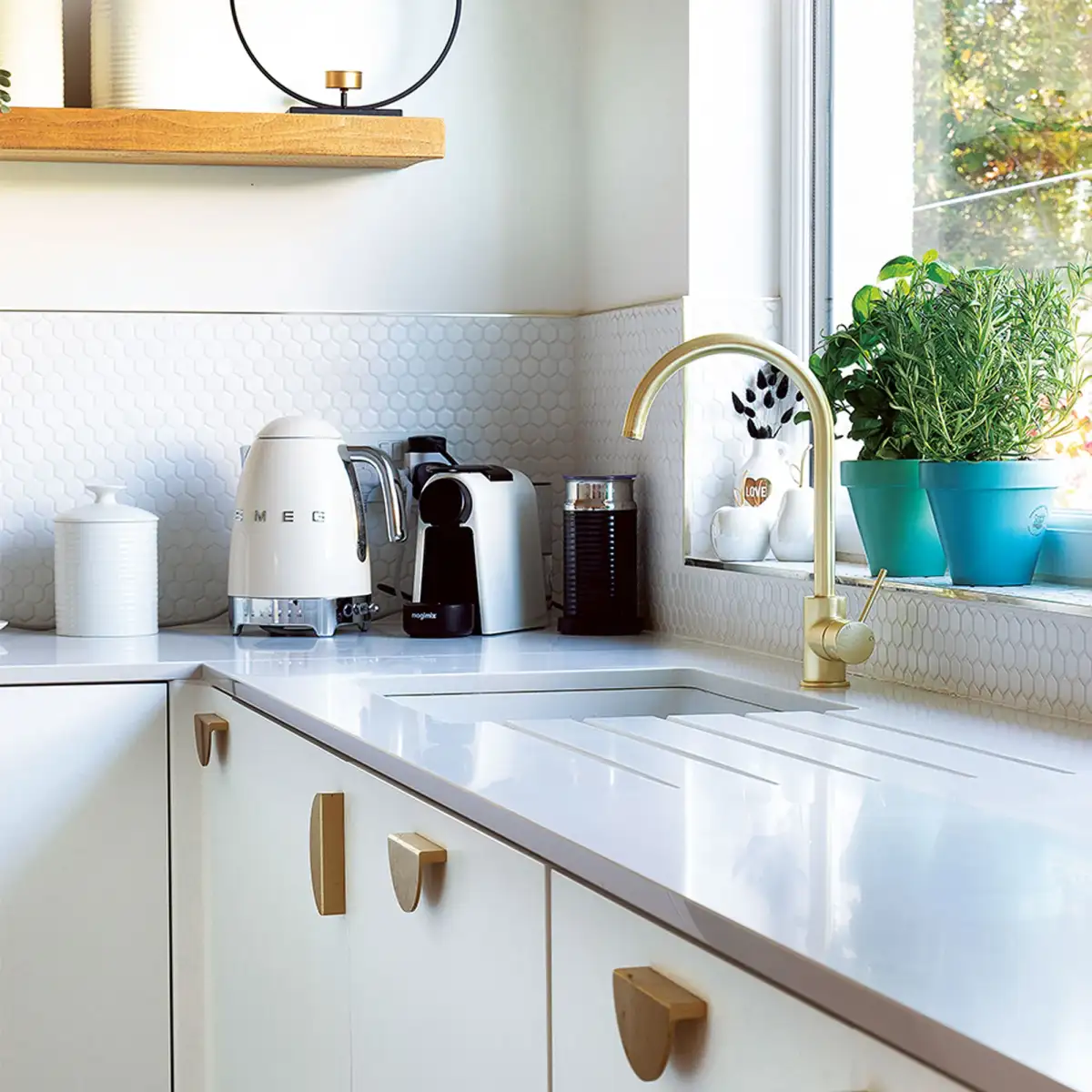
The Imperative of Immediate Action
Several sources point to the practice of 'cleaning as you cook' as a pivotal element. This involves-

Dealing with spills and splatters while they are fresh, preventing them from becoming dried-on stains that demand more effort.
Washing dishes or loading them into the dishwasher during cooking breaks or immediately after a meal.
Keeping essential cleaning supplies accessible to facilitate these impromptu tidying sessions.
Another consistent strategy involves decluttering surfaces before retiring for the night. This action aims to create a visually clean and functional space for the morning, reducing the perceived work required to maintain cleanliness. The logic suggests that fewer items on countertops translate to less surface area for dust and grime to accumulate, and less to move when a deeper clean is undertaken.
Read More: Summer AC Settings: Save Money by Raising Thermostat
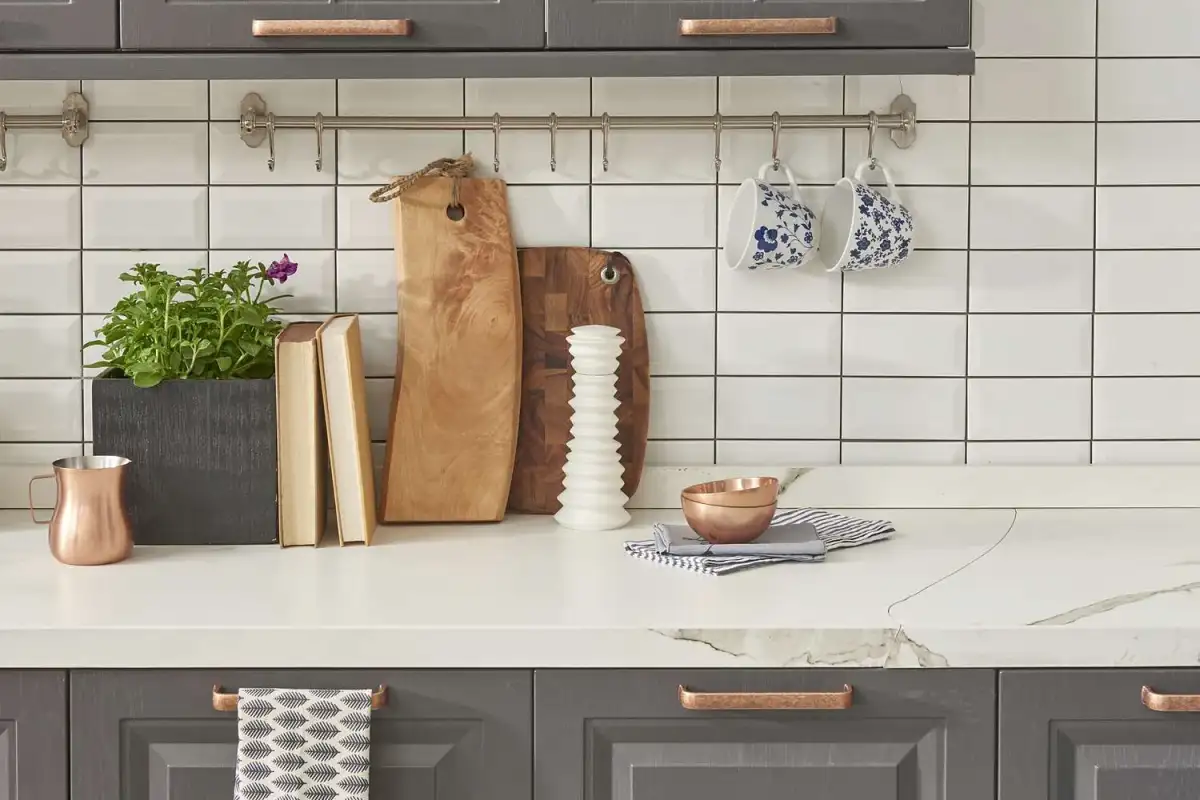
Deferring the Less Urgent
While immediate attention is given to active messes and surface clutter, certain tasks appear to be positioned for less frequent, though still regular, engagement. These include-

Deep cleaning appliances, which, while contributing to overall kitchen aesthetics, do not typically require daily or weekly intervention unless specific incidents occur.
Organizing and cleaning the interior of the refrigerator, a task often timed around grocery shopping trips.
Wiping down less-trafficked areas or those prone to less frequent soiling.
The underlying principle seems to be a pragmatic approach to maintenance, focusing efforts where they yield the most immediate and consistent visible results, thus avoiding an overwhelming accumulation of dirt and disarray.
Background: The Psychology of Tidy Spaces
The pursuit of a 'spotless kitchen' is often framed not merely as a chore but as a lifestyle choice that influences broader household management and even mental well-being. Multiple publications from 2018 to 2025 have explored these habits, suggesting a shared understanding across various platforms regarding the efficacy of consistent, small-scale interventions. The emphasis on 'cleaning as you go' and 'not procrastinating' speaks to a proactive rather than reactive approach to household upkeep. This methodology acknowledges that a clean kitchen often stems from a consistent series of minor efforts rather than infrequent, major overhauls. The idea that "more stuff means more to clean" (published in March 2018) further reinforces a philosophy of minimalism as a foundational element for easier maintenance.
Read More: What guests notice when entering your home in April 2026