Is this a shield for our kids, or a dangerous overreach into their digital lives?
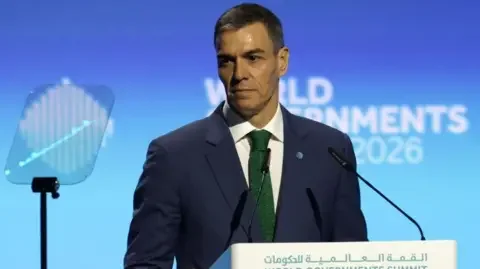
Spain is set to pull the plug on social media for anyone under 16. Prime Minister Pedro Sánchez declared this move a necessity to protect young minds from the "digital Wild West," citing risks like addiction, abuse, pornography, manipulation, and violence. This isn't just a lone initiative; it echoes similar moves in Denmark (under-15s) and a proposed consideration in the UK. Australia has already rolled out what it calls the world's first ban for under-16s, holding platforms liable for unverified underage accounts. But as this digital crackdown intensifies, crucial questions loom: Will this actually safeguard our youth, or is it a heavy-handed attempt to control, with unclear enforcement and potential unintended consequences?
The Digital Walls Go Up: A Timeline of Concern
The idea of shielding young people from the perceived dangers of the internet isn't new. For years, parents, educators, and lawmakers have grappled with the ever-expanding digital world and its impact on developing minds. This recent surge in legislative action, however, marks a significant escalation.
Read More: Key Speaker Leaves Tech Meeting Because of Data Concerns

Past Whispers: Concerns about children's online safety have been simmering for decades, fueled by the rise of the internet and subsequent social media platforms.
Early Legislation: Some countries have introduced milder measures, like stricter age verification for certain content or parental control tools.
Australia's Precedent (December): The continent down under became the first to enact a broad ban, specifically targeting platforms like TikTok, Twitch, Facebook, Snapchat, Reddit, X, and Instagram, making them responsible for preventing underage users.
Denmark's Lead (Under-15s): Following a similar path, Denmark has moved to restrict social media access for those younger than 15.
UK's Consideration: The UK government is actively consulting on a potential ban for under-16s, signaling a wider European trend.
Spain's Bold Step (Recent Announcement): Prime Minister Sánchez has now announced plans to formalize a ban for under-16s, framing it as a vital protection measure. This proposal is part of a larger package of five measures slated for approval soon.
EU Momentum: Spain, alongside Denmark, Greece, and France, is reportedly pushing for a coordinated approach across the European Union, suggesting this is far from an isolated incident.
Read More: Iberia Now Charges for Bags That Are Not the Right Shape
"Today our children are exposed to a space they were never meant to navigate alone…" - Pedro Sánchez, Prime Minister of Spain.
This statement from Sánchez highlights the perceived urgency. But how effectively can a ban truly shield them from a world that is increasingly integrated with their lives?
The Shadow of Big Tech: Accountability and Enforcement
The core of these proposed bans rests on a critical premise: holding social media platforms accountable. Spain's Prime Minister Sánchez has explicitly stated that platforms will need to implement "effective age verification systems — not just check boxes, but real barriers that work." This raises a cascade of critical questions about feasibility and true efficacy.
What constitutes "effective" age verification? Is it merely a digital ID check, or something more intrusive?
Who bears the burden of proof? Will platforms be expected to proactively police every new account?
What are the penalties for non-compliance? The reports suggest potential criminal liability for chief executives of tech platforms failing to remove illegal or hateful content, a move Sánchez has pledged. This is a significant shift from previous regulatory approaches.
Read More: AI Safety Expert Leaves Anthropic, Says World is in Danger
| Platform Category | Examples | Current Age Gates (General) | Proposed Spanish Enforcement (Hypothetical) |
|---|---|---|---|
| Social Media | Facebook, Instagram, X, TikTok, Snapchat | Often "13+" (self-reported) | Robust, verified age checks |
| Gaming/Streaming | Twitch, YouTube | Varies, often "13+" | Robust, verified age checks |
| Forums/Communities | Varies, often "13+" | Robust, verified age checks |
The critical challenge lies in the execution: how do you implement truly effective age verification without infringing on privacy or creating insurmountable technical hurdles?

Furthermore, the statement from Sánchez about CEOs facing criminal liability is a stark warning. This implies a move towards personal accountability for platform leaders, a concept that could fundamentally alter how tech giants operate and their willingness to take risks.
The 'Why Now?' Question: A Political Chessboard?
While the stated intention is to protect minors, the timing and political undercurrents of Spain's announcement warrant closer scrutiny. Sánchez's coalition government, lacking a strong parliamentary majority, often faces challenges in passing legislation. This makes the commitment to approve these measures "starting next week" particularly noteworthy.
Read More: EU Leaders Disagree on How to Help Europe's Economy
The Opposition's Stance: Spain's main opposition party, the conservative People's Party, has reportedly expressed approval, even claiming they had previously proposed similar restrictions. This suggests a potential bipartisan consensus on the issue, which could smooth the legislative path.
European Alignment: Spain is positioning itself as a leader within the EU on this front, joining forces with Denmark, Greece, and France. Is this a genuine response to a shared European concern, or a strategic move to bolster Spain's influence on the continent?
Global Trend: The broader international trend, epitomized by Australia's actions, creates a sense of inevitability. Is Spain acting proactively, or reacting to a wave it feels compelled to join?
"We will protect [minors] from the digital Wild West.” - Pedro Sánchez
This evocative phrase suggests a perceived crisis. But is the "Wild West" truly unmanageable, or is the solution being proposed more about control than genuine protection?
Read More: Windows Tools Can Help You Work Better

The Unseen Costs: Freedom, Innovation, and Digital Divide
Beyond the immediate goal of protecting children, any sweeping ban on digital access carries significant potential downsides that are often overlooked in the rush to legislate.
Erosion of Digital Literacy: Denying under-16s access to mainstream social media platforms could hinder their development of crucial digital literacy skills. Learning to navigate online spaces, understand privacy settings, and critically evaluate information are essential life skills in the 21st century.
The "Forbidden Fruit" Effect: Bans can sometimes make forbidden activities more appealing. Will this simply drive young people to less regulated, more obscure corners of the internet?
Impact on Social Connection: For many teenagers, social media is a primary means of communication, social development, and finding community, especially for those with niche interests or who feel isolated in their physical environments. How will this ban affect their social well-being?
Economic and Innovation Stifling: Strict regulations, especially those demanding costly and potentially invasive age verification, could disincentivize innovation and investment in the tech sector within Spain and the EU. Reddit, for example, is already challenging Australia's ban in court.
Read More: Cold Weather and Flooding Expected in Parts of Europe
The critical question remains: are we inadvertently trading one set of risks for another, potentially more insidious, set?
Expert Voices and Lingering Doubts
While the immediate reports highlight the government's resolve, independent voices raise important questions about the practicalities and broader implications. Experts are calling for a nuanced approach, warning against overly simplistic solutions.
Privacy Concerns: "Any age verification system that claims to be truly 'effective' will inevitably run into significant privacy issues," notes Dr. Elena García, a digital ethics researcher. "The trade-off between security and personal data protection is a delicate balance that could be easily tipped."
Enforcement Realities: "The logistical nightmare of enforcing a blanket ban on platforms that are global in reach is immense," states Javier Ruiz, a technology policy analyst. "How will Spanish authorities effectively police international servers and self-reported information? It's aDAVID vs. Goliath scenario where the 'Goliath' has immense technical resources."
Focus on Education: Many child psychologists argue that the focus should be on equipping children with critical thinking skills and resilience, rather than outright prohibition. "The goal should be to teach them how to swim in the digital ocean, not to ban them from the beach entirely," suggests Ana López, a child psychologist.
The Digital Frontier: What Comes Next?
Spain's proposed ban on social media for under-16s is a bold move that signals a significant shift in how governments are attempting to regulate the digital lives of young people. While the intentions to protect vulnerable minors are understandable, the practicalities, potential consequences, and underlying political motivations demand a deeper, more critical examination.
Read More: Global Cyber Pact Faces Problems
Legislative Hurdles: The proposed measures must pass parliamentary approval. Given the coalition's minority status, this could be a significant challenge, especially if debates around the effectiveness and invasiveness of age verification intensify.
Platform Resistance: Tech giants are unlikely to passively accept these new rules. Legal challenges, similar to Reddit's in Australia, are almost certain, potentially bogging down implementation for years.
The Slippery Slope: If successful, will this pave the way for even more restrictive internet policies? Where does the line get drawn between protection and censorship?
Global Precedent: The world will be watching Spain. The success or failure of this initiative will undoubtedly influence similar legislative efforts in other countries and the broader discourse on digital governance.
Ultimately, the debate over social media bans for minors is not just about technology; it's about the future of childhood, freedom of expression, and the ever-evolving relationship between individuals and the digital realm. The question is not if children need protection online, but how best to provide it without sacrificing essential freedoms and the very skills they need to thrive in the world they are inheriting.
Read More: Russia Attacks Ukraine; Leader May Hold Elections
Sources:
Financial Times: https://www.ft.com/content/5fd194a1-7a6e-4a1f-a7a3-34de84075997
Associated Press: https://apnews.com/article/spain-social-media-ban-children-under-16s-77ac5a2e2078f175bd61dbfb5ad9deb7
Politico: https://www.politico.eu/article/spain-pedro-sanchez-moves-ban-under-16-social-media/
Le Monde: https://www.lemonde.fr/en/international/article/2026/02/03/spain-seeks-social-media-ban-for-under-16s67500844.html