

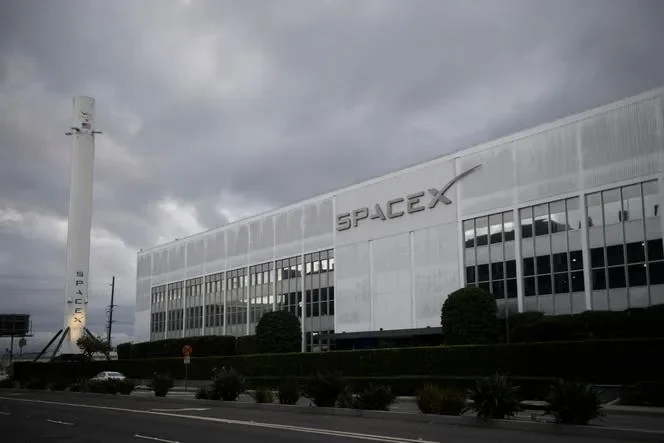
SpaceX has inked a significant deal to lease substantial computing power to Google, a move solidifying its pivot toward becoming an artificial intelligence infrastructure provider. The agreement, detailed in a regulatory filing on Friday, June 5, 2026, sees Google paying $920 million per month until June 2029 for access to approximately 110,000 Nvidia GPUs.

This arrangement, struck just days before SpaceX's highly anticipated initial public offering, signals a strategic shift for the aerospace company. While SpaceX has historically been associated with rocketry and satellite internet, this contract positions it as a key player in the burgeoning AI landscape, leveraging its existing infrastructure for a new market. The deal, worth an estimated $33.12 billion over its term, could reshape perceptions of SpaceX's value proposition ahead of its public debut.

Financial Underpinnings and Strategic Realignment
The disclosure of this computing power lease coincides with SpaceX officially announcing its IPO, though the target fundraising amount remains unstated. Publicly available documents reveal that for the past year, SpaceX generated $18.7 billion in revenue. However, this top-line figure is juxtaposed with an operational loss of $2.6 billion.
Read More: Chrome mimeHandler API lets extensions handle file types
The bulk of SpaceX's revenue stems from its Starlink satellite internet constellation, which has become its primary income generator. Conversely, the company's AI ventures, encompassing the social media platform X and the AI research firm xAI, have been a significant drain, posting an operational loss exceeding $6 billion last year. These substantial investments in AI development and rocket technology appear to be the primary drivers of the company's overall losses.

Shifting Business Models
The decision to lease out its substantial Colossus I data center, rather than exclusively utilizing it for its own AI development, underscores this strategic reorientation. This move appears to be a calculated effort to monetize its considerable infrastructure assets amidst heavy investment in AI and new rocket technologies. The financial figures, particularly the substantial losses from the AI division, highlight the pressure SpaceX might face to demonstrate profitability and a clear path forward as it prepares to enter the public market.
Read More: FIFA World Cup 2026 Revenue Reaches $15 Billion With New Ticket Prices
The filing describes the lease as a critical element of SpaceX's strategy to diversify revenue streams and capitalize on the increasing demand for high-performance computing infrastructure.
The potential IPO, which is set to be one of the largest in history, will likely be scrutinized for how well it reflects this evolving business model and its ability to offset the considerable costs associated with its ambitious AI and space exploration initiatives.





