

IPO Filing Reveals Financial Realities Behind Space Ventures
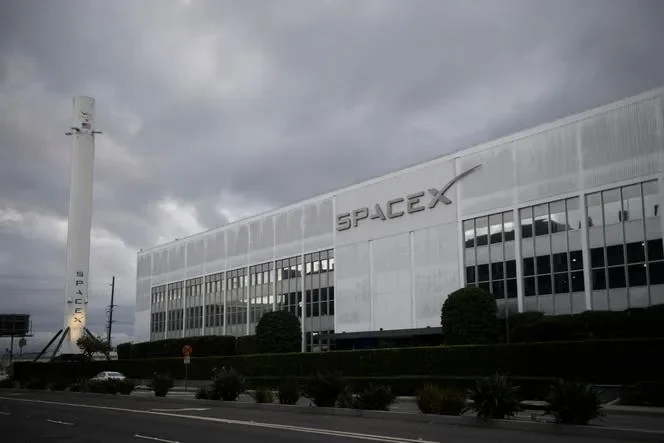
SpaceX, the aerospace titan helmed by Elon Musk, has officially signaled its intent to go public, with its initial public offering (IPO) documents made public this week. The filings paint a picture of a company experiencing significant revenue streams from its Starlink satellite constellation, yet grappling with substantial operational losses, primarily driven by ambitious investments in artificial intelligence and rocket development.

Starlink, the satellite internet service, stands as SpaceX's primary revenue generator. This constellation of satellites has become the backbone of the company's financial output, contributing to a reported annual turnover of $18.7 billion.

However, this impressive revenue figure is overshadowed by significant financial challenges. The company declared an operational loss of $2.6 billion for the past year. A considerable portion of this deficit, and indeed the company's overall financial strain, stems from its burgeoning artificial intelligence endeavors. The AI division, which encompasses the social media platform X and the AI research firm xAI (developer of the Grok chatbot), alone reported an operating loss exceeding $6 billion last year.
Read More: FIFA World Cup 2026 Revenue Reaches $15 Billion With New Ticket Prices
Strategic Decisions and Financial Underpinnings
The scale of SpaceX's investments in AI and the ongoing development of its next-generation rockets appears to be the central factor impacting its profitability. This financial narrative is further complicated by the company's decision to lease its substantial "Colossus I" data center to Anthropic, rather than utilizing it for its own AI development. This move has, for some observers, reinforced an impression of a company re-evaluating its internal AI strategy amidst its public market aspirations.
The company's valuation was reportedly pegged at $1.25 trillion following the absorption of xAI in February, a figure that sets a high bar for potential investors as SpaceX charts its course toward becoming a publicly traded entity. The specifics of the amount Musk aims to raise through the IPO remain undisclosed in the released documents.
Read More: Chrome mimeHandler API lets extensions handle file types
The prospect of this IPO is being framed as a potentially "major turning point for the space sector," hinting at its potential to be one of the largest stock market debuts in history.
Background:SpaceX, founded in 2002, has revolutionized the aerospace industry with its reusable rocket technology and ambitious plans for Mars colonization. Its Starlink project aims to provide global internet coverage, while its expansion into AI signals a broader technological ambition. The company's move towards an IPO follows a period of significant private investment and valuation growth.






