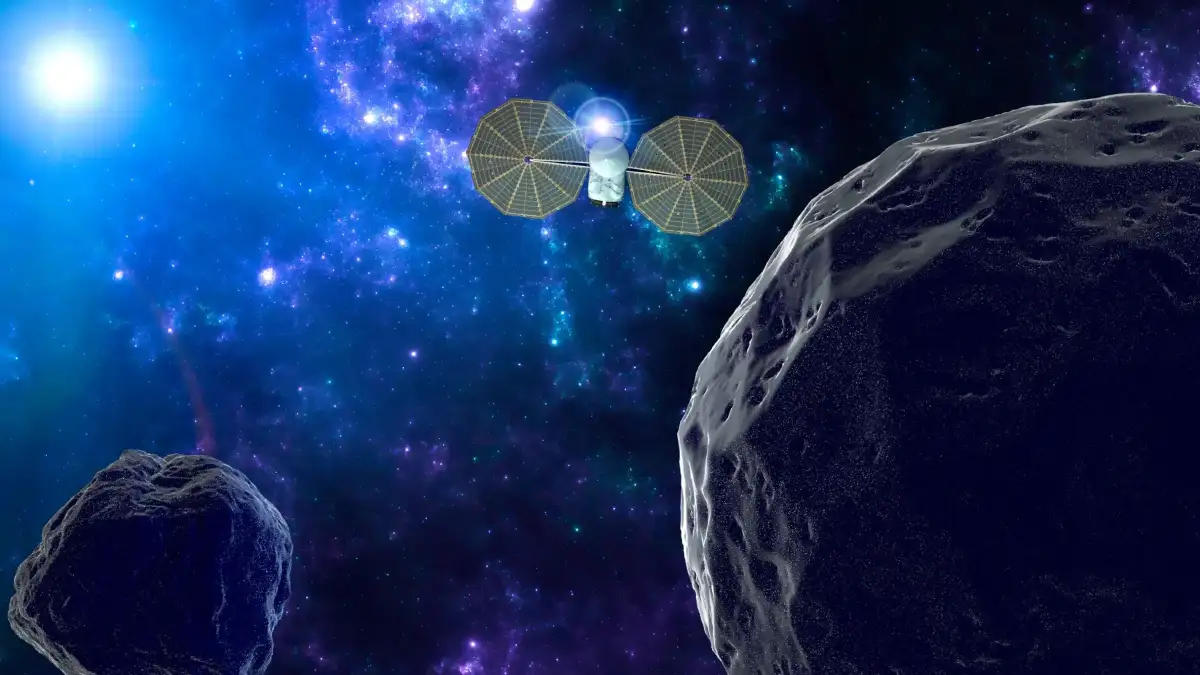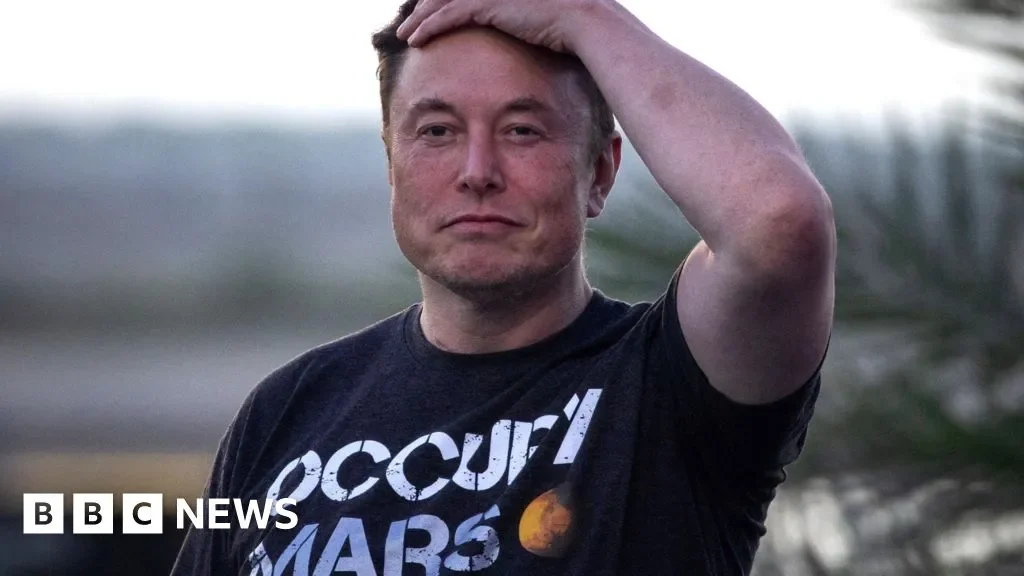
SpaceX has officially filed preliminary paperwork to sell shares to the public, a move that could rank among the largest initial public offerings in history and potentially make its founder, Elon Musk, the world's first trillionaire. This confidential filing with the SEC marks a significant step for the aerospace giant, setting the stage for what is anticipated to be a major Wall Street event. The offering is expected to raise tens of billions of dollars, intended to fuel Musk's ambitious ventures, including establishing a lunar base, deploying massive orbital data centers, and pursuing eventual human missions to Mars.
Public Offering Ignites Space Stock Surge and Scrutiny
The news of SpaceX's impending IPO has already sent ripples through the market, with other publicly traded space-tech companies experiencing notable gains. This surge in 'space stocks' reflects a broader market enthusiasm, buoyed by SpaceX's substantial valuation. However, this momentum has also attracted attention from financial professionals raising concerns about the company's public debut.
Read More: FIFA World Cup 2026 Revenue Reaches $15 Billion With New Ticket Prices
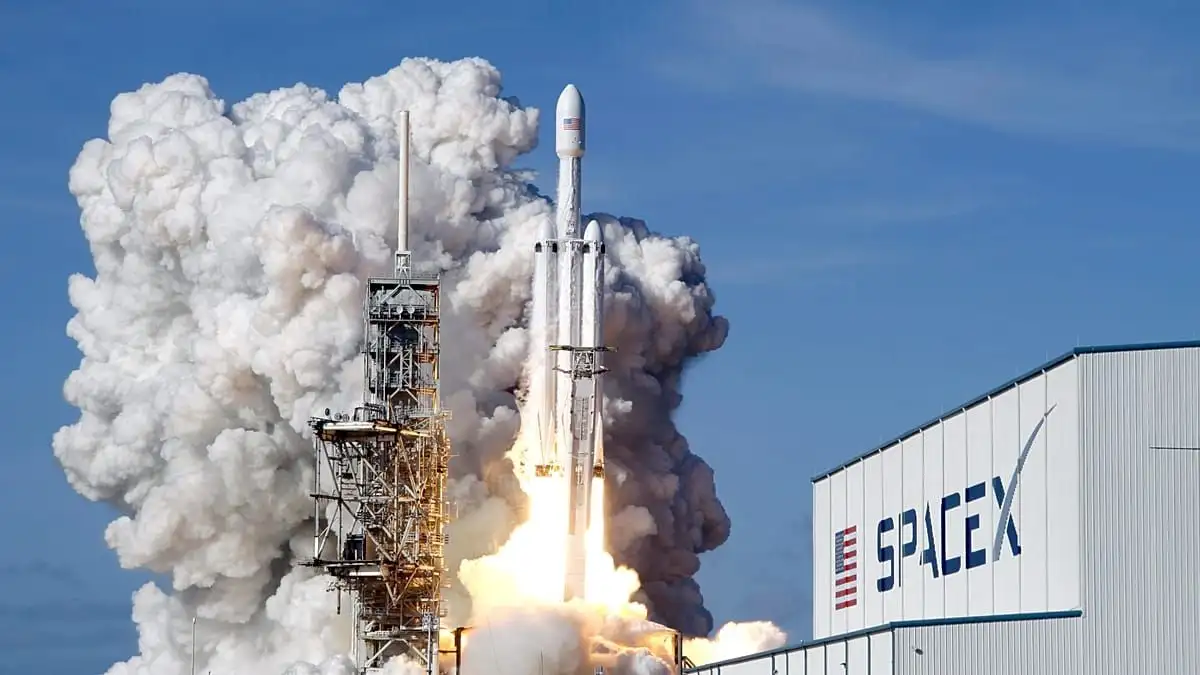
The filing, reportedly confidentially submitted, has been the subject of much discussion, with various news outlets reporting the development.
Early investors stand to gain considerably from this liquidity event, with stakes in SpaceX, including those acquired through its integration with xAI, potentially being repriced under the company's heightened valuation.
Intertwined Ventures and Valuations
SpaceX's move toward public ownership occurs amid an increasing intertwining of Musk's various business interests. The company's valuation, boosted by its own IPO prospects, is also set to impact other Musk-led entities, such as his artificial intelligence venture, xAI, which was recently absorbed by SpaceX. This integration positions SpaceX as a central player in Musk's broader technological ambitions, including a recently announced large-scale chipmaking endeavor known as Terafab, intended to partner with Tesla and xAI.
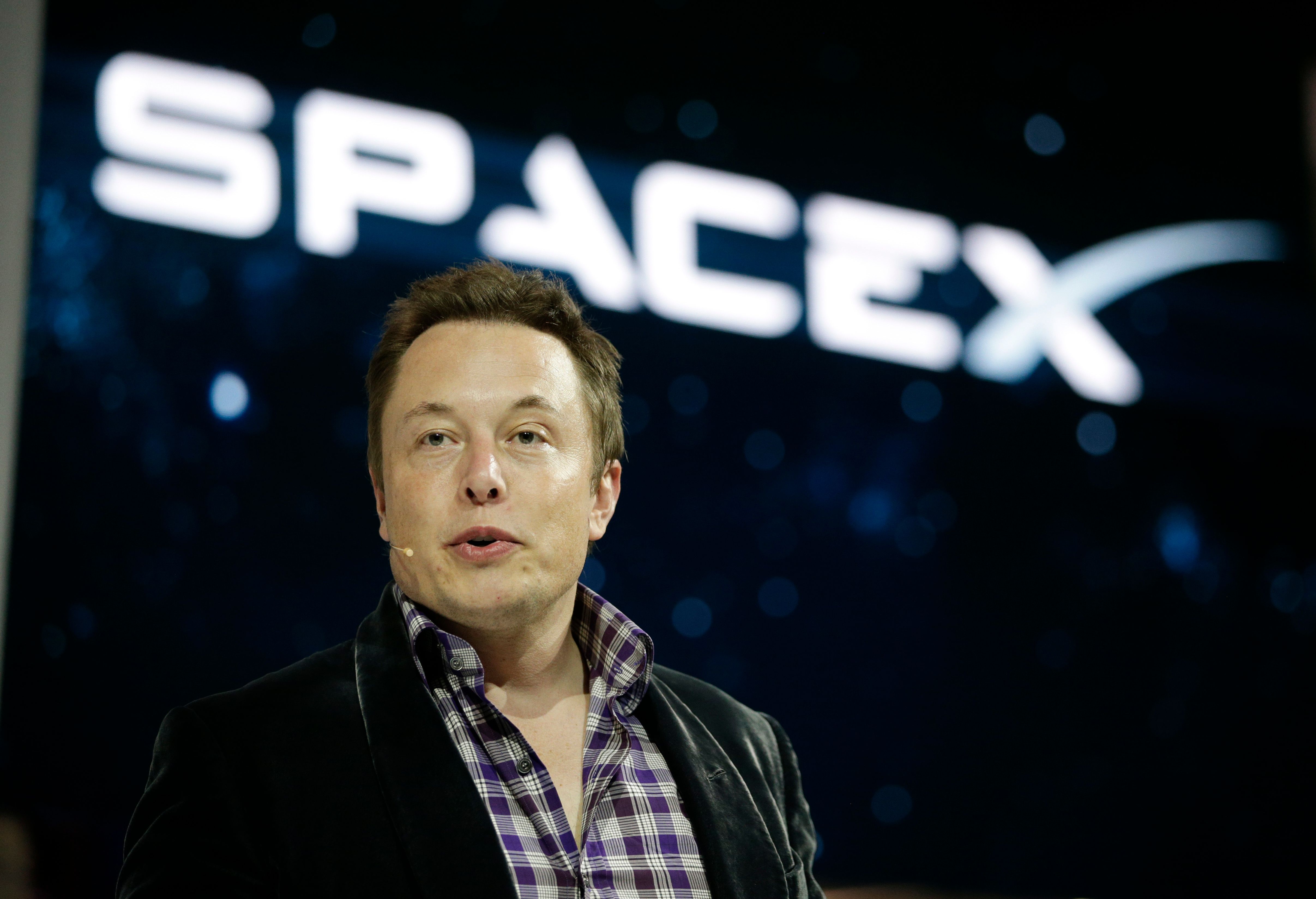
SpaceX's valuation is seen as a significant factor in discussions around Musk's potential to reach trillionaire status.
Details emerge about potential structural elements of the IPO, such as a dual-class share structure, which could ensure Musk's continued control even as new public investors come aboard.
Starlink: The Financial Engine Underpinning SpaceX's Ambitions
Financially, Starlink, SpaceX's satellite internet division, has become a primary revenue generator for the company. The question of whether the IPO will encompass SpaceX as a whole or be limited to its Starlink division has been a point of discussion. Starlink's success in providing satellite internet services, alongside SpaceX's established commercial launch services and government contracts, forms the core financial underpinnings of the company. SpaceX has differentiated itself by offering transparent, fixed pricing for its rocket launch services, a novel approach in the aerospace industry.
Read More: US Space Force Victus Haze Mission Successfully Tests Orbital Intercepts

SpaceX is recognized as a leader in commercial launch services, a crucial element of its business model.
The company's vertical integration and advancements in reusable rocket technology have been cited as key factors in reducing space transportation costs and reshaping the industry landscape.
Controversies and Conflicts of Interest
The impending IPO has not been without controversy, raising questions about potential conflicts of interest. Notably, Donald Trump Jr., the eldest son of former President Donald Trump, is listed among current SpaceX owners. Given Musk's history as a significant donor to President Trump's campaigns, these associations have drawn attention, particularly concerning the intersection of private enterprise and political influence.
SpaceX's Broader Vision: Beyond Launches
SpaceX's ambitions extend far beyond its current role as a leading commercial launch provider. The company has been a key partner for NASA on missions, including those to the International Space Station. Musk's long-term vision includes more ambitious goals:
Establishing a base on the Moon, with a focus on potential manufacturing opportunities there.
Deploying orbital data centers of considerable size.
The ultimate objective of sending humans to Mars, a goal that has been a central theme of Musk's messaging for years.
While the moon is now framed as a more immediate objective, it is largely viewed as a stepping stone within the broader push towards Mars.
Background: A Decade of Disruption
Founded by Elon Musk, SpaceX has spent two decades disrupting the traditional aerospace sector. Its focus on innovation, cost reduction through reusable technology, and expansion into satellite services like Starlink has positioned it as a dominant force. The company's ability to execute successful missions, including human spaceflight, has set it apart from competitors. This history of practical achievement and ambitious long-term planning underpins the considerable market anticipation surrounding its public debut.
Read More: Hunter Region Gets $12 Billion Train Factory