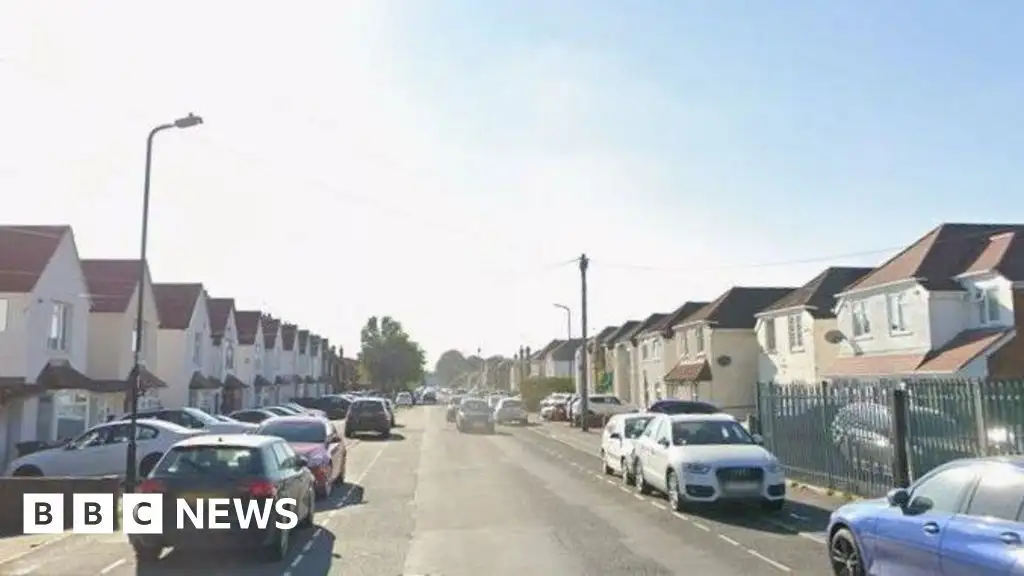
Thames Valley Police have forcefully repudiated a widely circulated social media post that alleged a murder occurred in Slough on Thursday evening. The post, which included a photograph of an individual on the ground at the scene, asserted that a murder investigation had been launched. However, the police maintain that the man's death in St Paul's Avenue is currently believed to be due to natural causes.

The police described the false information as "abhorrent" and "factually and wholly incorrect," expressing concern over the potential distress it could cause to the deceased's family. Det Ch Insp David Whiteaker stated the post was "totally incorrect" and likely to cause "great distress." The force emphasized that the death is being treated as "unexplained, but not suspicious," and that a file is being prepared for the Berkshire coroner. They urged the public to "consider the family of the man" and refrain from re-sharing the post or associated images.
Read More: Third Teen Charged in Fatal Stabbing Near Melbourne Hospital on Wednesday
Social Media's Unsettling Influence
This incident highlights the complex and often fraught intersection of online narratives and official accounts, particularly in matters of life and death. The ease with which unverified information can spread on platforms like Facebook, often amplified by sensationalism, poses a significant challenge to authorities attempting to manage public perception and provide accurate information. The police's strong criticism of the post suggests a pattern of concern regarding the dissemination of misinformation, especially when it touches upon sensitive events like a person's passing.

The legal ramifications for such posts, especially those causing distress or potentially inciting further unrest, are varied. In the UK, the legal system navigates a difficult path between defending freedom of expression and prosecuting hate speech or actions that cause undue harm. Cases have arisen where authorities have investigated posts for potentially inciting racial hatred, illustrating the delicate balance officials must maintain.
Read More: England World Cup Match: Pubs Open Until 5 AM Monday

Contextual Echoes: Misinformation and Misperception
While the Slough incident pertains to a death from presumed natural causes, other reports reveal the destructive power of online claims in different contexts. The daughter of a gangster, for instance, accused police of failing to warn him of threats, a narrative presented amidst discussions of revenge and past murders. Separately, a tragic case emerged where a woman was killed the day after unfriending a man she met on a dating app, with police investigations later confirming a homicide. These instances, though distinct, underscore how online interactions and perceptions can precede or become entangled with severe real-world consequences.
The challenge of distinguishing between genuine news and fabricated or misleading content online remains a persistent issue. As exemplified by the police's reaction in Slough, official bodies are increasingly compelled to actively counter narratives that diverge from their findings, particularly when such narratives risk exacerbating grief or creating public confusion. The dissemination of false claims, especially those involving death, often triggers significant police resources, as seen in a past case in Wales where a false murder claim sparked a costly police operation.
Read More: Three hearses burned in Roselands arson attack on 4 April 2026


/cloudfront-ap-southeast-2.images.arcpublishing.com/nzme/RVI7RFHOI34HTKKRUG3LS6DNVY.jpg)