Sleep Trackers May Amplify Insomnia, Leading to "Orthosomnia"
New findings suggest that the very devices designed to help us understand and improve our sleep—wearable trackers, smartwatches, and associated apps—may inadvertently be making insomnia worse for a significant portion of users. The core issue appears to be a shift from experiencing sleep to quantifying it, fostering an anxiety loop where natural variations become perceived problems. This fixation on sleep data has led to a recognized phenomenon, dubbed "orthosomnia," characterized by sleep tracker-induced anxiety. For nearly one in five users, these gadgets deliver not better sleep, but increased worry about sleep quality.

The mechanism is stark: individuals already struggling with sleep may become hypervigilant about their tracker’s readings. This intense focus on data—hours of deep sleep, REM cycles, wakefulness periods—can transform natural, subtle fluctuations in sleep into sources of distress. Instead of fostering rest, the devices become arbiters of sleep "success" or "failure." This is particularly true for younger users who show a greater tendency toward obsessive engagement with their data, fueling an anxiety cycle. Sleep, it seems, is becoming less about how one feels and more about how one measures.
Read More: New Paper Drug Smuggling in Prisons Causes Overdoses

The Unreliable Metrics and Clinical Divide
A crucial point of contention is the accuracy and clinical relevance of consumer-grade sleep trackers. These devices are explicitly not designed to replace professional clinical sleep testing, which offers far more precise measurements. Studies indicate that sleep devices often underperform, especially in individuals with insomnia. Because they primarily rely on movement to differentiate sleep from wakefulness, they can struggle to accurately assess sleep stages in those who experience disrupted sleep.
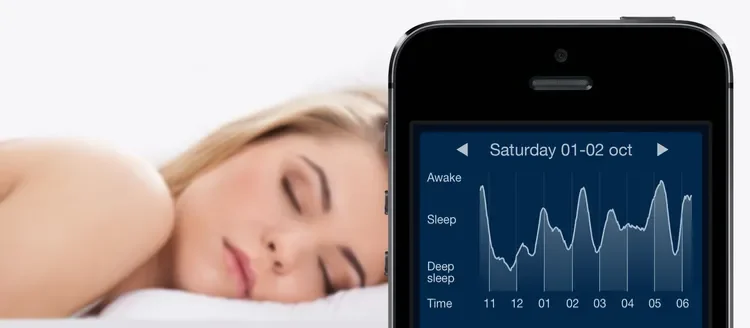
This discrepancy means users might receive data that contradicts their subjective experience of sleep. Some individuals, despite being assured by medical professionals that they do not suffer from insomnia, continue to operate under the belief that their tracker's data indicates a problem. This reliance on potentially flawed metrics can lead individuals to spend more time in bed trying to achieve "optimal" sleep, paradoxically resulting in more wakefulness and less actual rest. The data, in these cases, becomes a source of stress rather than a tool for insight.
Read More: Pokopia Game Boosts Switch 2 Sales in UK with New Console Bundles

When Data Becomes the Problem
The very act of constantly checking and analyzing sleep data can become a compulsive behavior. This preoccupation with achieving a perfect score on a sleep tracker can lead to "spiraling about sleep numbers," which experts warn is a recipe for obsession and anxiety. Instead of trusting their own body's signals, users begin to defer to the device's judgment.
This can be particularly detrimental for those already experiencing sleep difficulties. For individuals already losing sleep over their sleep, the data may be the last thing they need. A notable share of users report feeling more anxious and worried about their sleep after using a tracker, not less. The intended benefit—identifying patterns to sleep better—backfires when the data itself becomes the focus of worry.
A Shifting Landscape
The proliferation of sleep trackers and smartwatches has made them nearly ubiquitous. While the technology is rapidly evolving and improving, the fundamental challenge remains: sleep is a subjective experience, often best understood through feeling rather than numerical grading. Sleep specialists suggest that if anxiety about sleep becomes difficult to manage, seeking professional help from a therapist or doctor is advisable. They also recommend discussing any perceived sleep issues, or actual sleep disorders like sleep apnea, with a medical professional.
Read More: Nobel Winner J. Michael Bishop Dies March 20 2026 Age 90
Background: The Rise of Quantified Sleep
The desire to understand and optimize every aspect of our lives has led to a boom in wearable technology and health-tracking apps. Sleep, a fundamental yet often elusive aspect of well-being, has become a prime target for quantification. The allure of data-driven insights into our nocturnal habits promises a path to better health and productivity. However, this pursuit of perfect sleep metrics may be creating a new set of problems, transforming natural bodily functions into quantifiable anxieties. The American Academy of Sleep Medicine has issued statements noting that over-the-counter sleep trackers are not diagnostic tools and may worsen sleep struggles for some individuals.