Many individuals have been tying their shoelaces using a common, widely taught method that experts suggest is less secure and takes longer than alternative techniques. This method, often learned in childhood, may lead to laces coming undone unexpectedly, potentially causing trips.
Background on Shoelace Knotting
The way shoelaces are tied has become a topic of discussion, with experts highlighting potential inefficiencies in the most familiar methods. The common "around the tree" or "bunny ear" approach, while prevalent, is now being questioned for its effectiveness.
Common Method: This is the technique most people learn, often involving creating two loops and then tying them together.
Expert Critique: Knot specialists and scientists suggest this method is not the most secure and can be slower to execute than other options.
Identifying the Issues
Research and analysis point to several problems with the traditional way of tying shoelaces. The primary concern is the knot's ability to withstand the stresses of everyday movement.

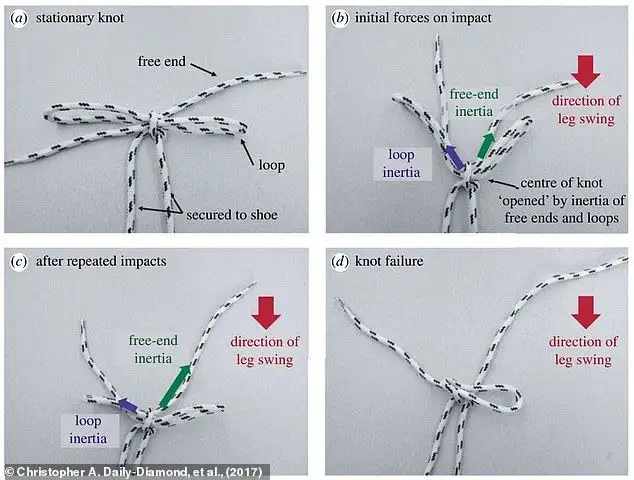
Knot Security: Scientific testing has indicated that not all knots are equal in terms of strength. The forces generated during walking, particularly the swinging of the leg, can cause the free ends of the laces to whip around.
This motion is believed to gradually loosen the knot, leading to laces coming undone.
Untimely Untying: The consequence of a less secure knot is the frequent and often sudden untying of shoelaces. This can disrupt activities and, in some cases, lead to tripping hazards.
Proposed Alternatives and Their Benefits
Several alternative knot-tying methods have been presented as more efficient and secure. These methods aim to create a stronger bond that is less susceptible to loosening.
Read More: Indigenous Data Rights Now Key in Conservation Genomics
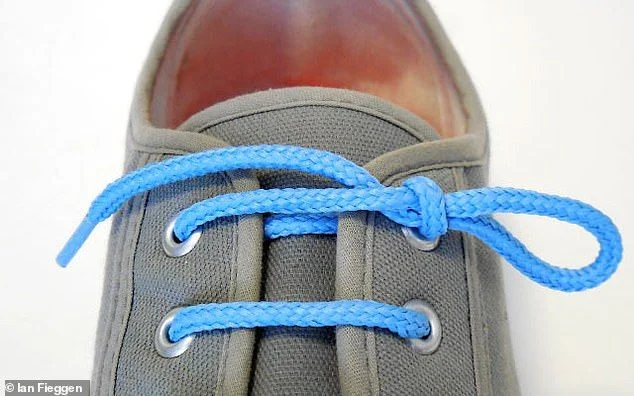
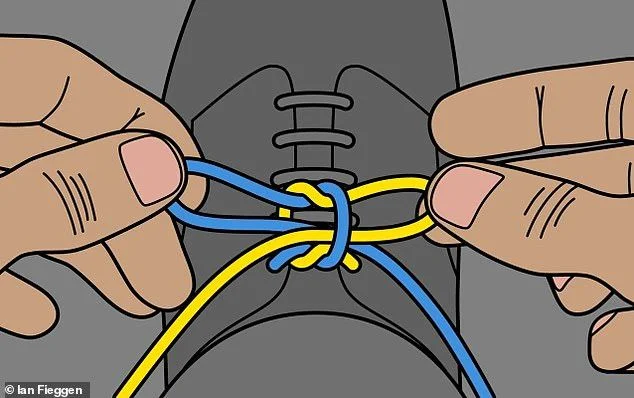
The "Ian Knot": Developed by Ian Fieggen, also known as "Professor Shoelace," this knot is described as using a refined technique to tie a secure knot almost instantaneously.
While appearing as a simple bow, its execution is faster.
Advanced Knots: Fieggen's more advanced inventions, such as the "Double Ian Knot" and the "Mega Ian Knot," are suggested by some experts, including Dr. Klotz, as being the most effective for shoes. These knots are designed for enhanced security.
Speed and Simplicity: The advantage of these alternative methods lies in their speed and the strength of the resulting knot. Some alternatives are reported to take less than a second to tie once mastered.
Expert Perspectives on Shoelace Knotting
Experts in knot science and biomechanics have weighed in on the subject, providing data and observations to support the claims of inefficiency in common methods.
Knot Expert: Ian Fieggen has dedicated considerable effort to cataloging and demonstrating various shoelace knots, advocating for more efficient techniques. His website, "Ian's Shoelace Site," has served as a resource for niche interests online.
Scientific Observation: Research has shown that the way a knot is tied impacts its stability. The dynamic forces applied to shoelaces during locomotion play a significant role in how they hold or loosen.
Comparison of Methods: The "around the tree" method is often contrasted with faster, more secure techniques like the "Ian Knot," highlighting the latter's ability to resist loosening under strain.
Conclusion: Rethinking Shoelace Habits
The evidence suggests that the common method for tying shoelaces may not be the most effective. The potential for laces to untie easily, coupled with the existence of faster and more secure alternatives, points to a need for re-evaluation of ingrained habits.
Evidence of Inefficiency: Scientific observations and testing confirm that not all knots are equally secure, with common methods showing a tendency to loosen under the forces of movement.
Benefits of Alternatives: Methods like the "Ian Knot" offer a significant improvement in both speed and knot security, addressing the common problem of untied laces.
Implications: Embracing more efficient knot-tying techniques could lead to fewer interruptions from untied laces and potentially reduce the risk of trips and falls.
Sources Used:
Daily Mail: https://www.dailymail.co.uk/sciencetech/article-15546137/tying-shoelaces-wrong-scientists-simple-method.html (Published: 3 hours ago)
Gizmodo: https://gizmodo.com/are-you-tying-your-shoelaces-wrong-2000712041 (Published: Jan 20, 2026)
USA Today: https://www.usatoday.com/story/news/2017/04/11/you-tie-your-shoes-wrong/100341296/ (Published: Apr 11, 2017)
The Free Library (citing Daily Mirror): https://www.thefreelibrary.com/Why+you+shouldn%27t+be+using+the+%27bunny+ear%27+method+to+tie+your…-a0630787400 (Content from Daily Mirror, UK)
MAG THE WEEKLY: https://magtheweekly.com/detail/9847-why-you-shouldnt-be-using-the-bunny-ear-method-to-tie-your-shoelaces (Published: Aug 21, 2020)