

Seven-Year-Olds Perceive Unfairness Alike Adults
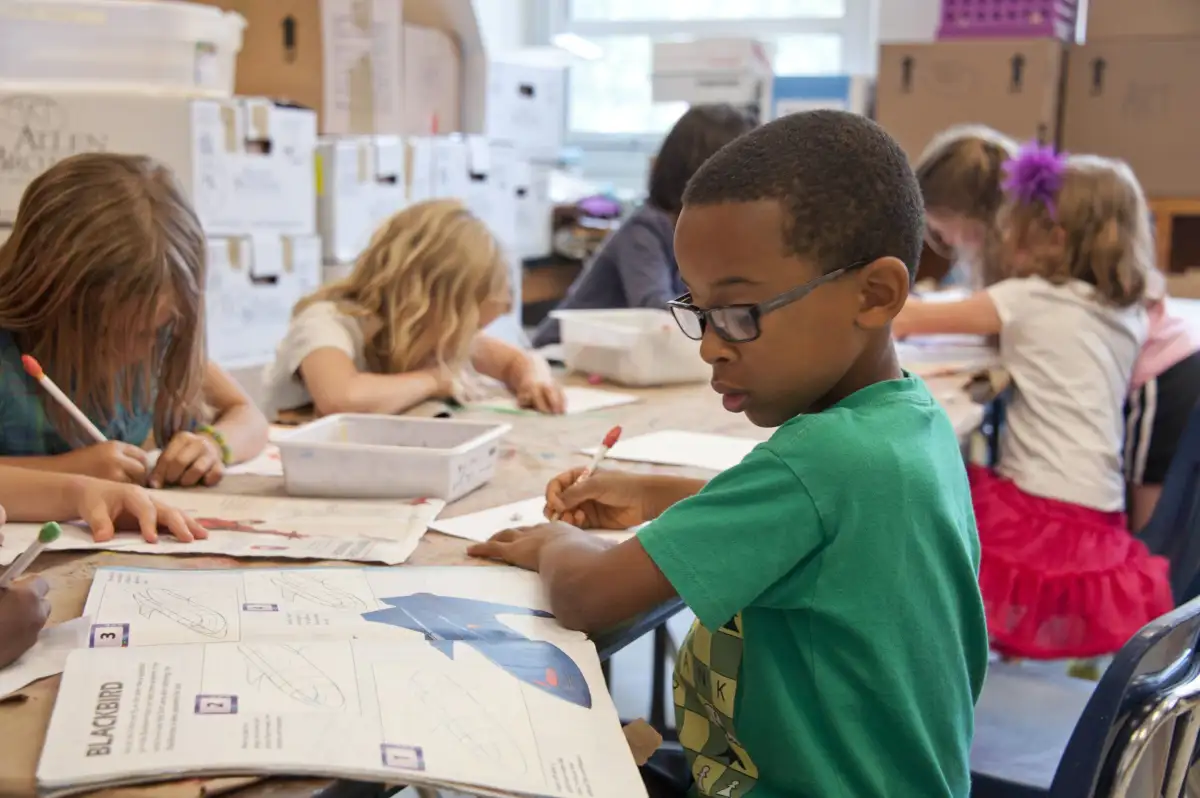
Elementary school-aged children, around the age of seven, demonstrate a striking ability to recognize when individuals treat different social groups inequitably. This cognitive capacity, revealed in a recent Vanderbilt University study, brings their detection skills nearly on par with adults. The research indicates that by age seven, a significant 90 percent of children could identify social biases, a marked increase from the 41 percent observed in four-to-six-year-olds.
The findings, published around April 6-7, 2026, highlight a developmental leap in social perception. While younger children aged four to six identified bias in fewer than a fifth of scenarios, seven-to-ten-year-olds successfully pointed out inequity in nearly two-thirds of instances presented. Adults in the study matched this detection rate, identifying bias in 79 percent of scenarios.
Learning Through Observation
This ability to spot disparity appears to stem from children's keen observation of social interactions. Other research suggests children are adept at picking up on subtle cues, including nonverbal signals from adults, which can shape their understanding of group dynamics. Studies indicate that children are not born with inherent biases but are rather quick to learn them by observing the social environments around them.
Read More: Theology explains anxiety as lack of trust in God
The Vanderbilt study also hints that these young observers may develop an increased focus on how different social groups interact. Future research aims to explore whether children's own group affiliation influences their perception of bias and if they are more attuned to unfairness directed at groups they identify with. This suggests a nuanced interplay between observation, social learning, and the development of bias detection.


