Introduction: The Growing Interest in a Marine Superfood
Interest in seaweed as a food source is on the rise, with experts highlighting its potential health benefits. This slimy, salty marine plant, a staple in many Asian cuisines, is increasingly being recognized for its rich nutritional profile. From supporting thyroid function to offering antioxidant properties, seaweed is being explored for its role in promoting overall well-being. This report examines the scientific evidence and expert opinions surrounding the consumption of edible seaweed.

Nutritional Foundation of Seaweed
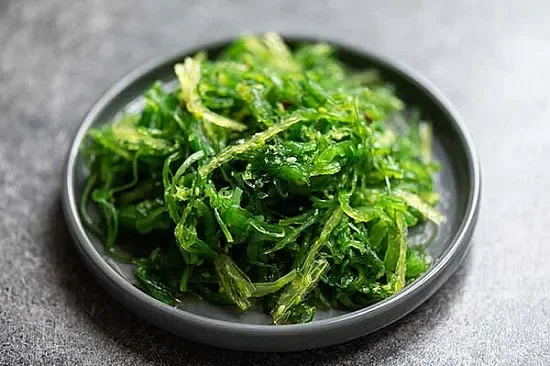
Seaweed is a diverse group of marine algae, encompassing thousands of species. Edible varieties like nori, kelp, wakame, and dulse are gaining attention for their nutrient density.

Vitamins and Minerals: Seaweed is a notable source of various vitamins and minerals.
Iodine Content: Notably, certain types of seaweed, particularly kelp (kombu), are exceptionally rich in iodine. This mineral is crucial for human health, with intake levels varying significantly among different seaweed types.
Other Nutrients: Beyond iodine, seaweed provides other essential components, including healthy fibers like cellulose.
Documented Health Benefits of Seaweed Consumption
Research and expert commentary suggest several key areas where seaweed consumption may positively impact human health.
Thyroid and Metabolic Function
Thyroid Support: The high iodine content in seaweed is directly linked to supporting thyroid function. The thyroid gland relies on iodine to produce hormones essential for regulating metabolism.
Metabolic Health: Some evidence suggests that seaweed nutrients can contribute to metabolic regulation.
Cognitive Health and Neuroprotection
Brain Function: Seaweed contains omega-3 fatty acids and antioxidants that are believed to support brain health and cognitive function. These compounds are thought to fuel brain activity and offer neuroprotective effects.
Gut-Brain Axis: Seaweed is also being studied for its role in the gut-brain axis, potentially influencing cognitive function through its impact on the digestive system.
Antioxidant Properties and Immune Support
Antioxidant Rich: Edible seaweed supplies the body with antioxidants, including vitamins A, C, and E. These compounds help combat inflammation and cellular damage.
Immunity Boost: The antioxidants present in seaweed are also suggested to bolster the immune system.
Digestive Health and Fiber Content
Dietary Fiber: Seaweed contains beneficial dietary fibers, such as cellulose, which can contribute to a healthy digestive system.
Gut Microbiota: Emerging research is investigating how seaweed compounds may influence the composition of gut microbiota.
Potential Role in Weight Management
Weight Management: Some indications suggest that incorporating seaweed into the diet may aid in weight management efforts.
Considerations and Safety
While generally considered safe for consumption, certain aspects require attention.

Sodium Content: It is important to note that some seaweed preparations can be high in sodium.
Heavy Metals and Iodine Accumulation: Concerns have been raised regarding the potential for heavy metal accumulation and excessive iodine intake from certain seaweed sources. Thorough evaluation of sourcing and preparation methods is advised.
Expert Insights
"Seaweed is an umbrella term for thousands of macroscopic marine algae species, including Rhodophyta, Phaeophyta, and Chlorophyta."— News-Medical.net
"Edible seaweed is a powerful addition to your diet. Discover how iodine in seaweed supports thyroid function and omega-3s boost brain health."— NDTV Doctor
"Seaweed is increasingly recognized as a sustainable and functional food source that supports human health, including cognitive function and cardiovascular balance, through the gut-brain axis."— News-Medical.net
Conclusion: A Promising Nutritional Addition
The available information points to seaweed as a nutrient-dense food with a range of potential health benefits. Its rich content of iodine, antioxidants, omega-3 fatty acids, and dietary fiber positions it as a valuable component of a balanced diet. While generally safe, individuals should be mindful of sodium levels in certain products and potential concerns regarding heavy metal and excessive iodine accumulation. Further research continues to explore the multifaceted impacts of seaweed consumption on human health.
Read More: India IVF Costs And Social Barriers Limit Access In April 2026
Sources
Daily Mail: https://www.dailymail.co.uk/health/article-15556635/Seaweed-Experts-explain-adding-iodine-rich-slimy-salty-marine-plant-diet-absolute-wonders-health.html (Published: 11 hours ago)
Cleveland Clinic: https://health.clevelandclinic.org/seaweed-benefits (Published: Jul 31, 2025)
NDTV Doctor: https://doctor.ndtv.com/healthy-diet/can-adding-seaweed-to-your-diet-help-brain-thyroid-and-more-benefits-9703890 (Published: Nov 25, 2025)
PMC (National Institutes of Health): https://pmc.ncbi.nlm.nih.gov/articles/PMC8232781/ (Seen on: AOL)
Harvard Health: https://www.health.harvard.edu/nutrition/seaweed-a-tasty-nutritious-snack (Published: Aug 19, 2024)
News-Medical.net: https://www.news-medical.net/health/Seaweed-and-Human-Health-Antioxidants-Iodine-and-Neuroprotective-Effects.aspx (Seen on: AOL)
BBC Good Food: https://www.bbcgoodfood.com/health/nutrition/health-benefits-seaweed (Published: Aug 20, 2024)
Health.com: https://www.health.com/nutrition/seaweed-benefits (Published: Dec 19, 2025)

:max_bytes(150000):strip_icc()/GettyImages-1408374876-62ab7a0ad24b4860bdb7962824138164.jpg)