

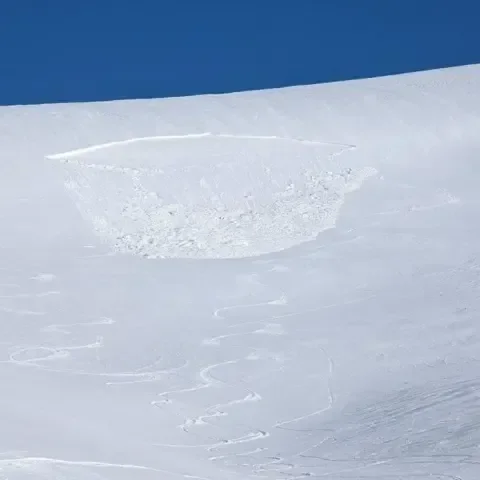
This past winter in Scotland offered a complex picture for mountain enthusiasts. While ski resorts reported their busiest season in years, drawing large crowds for skiing and sledding, the hills also presented unexpected avalanche risks. This situation highlights a divergence between recreational snow sports booming and the natural hazards present in the mountainous terrain.
The Season Unfolds: Snow, Slopes, and Safety
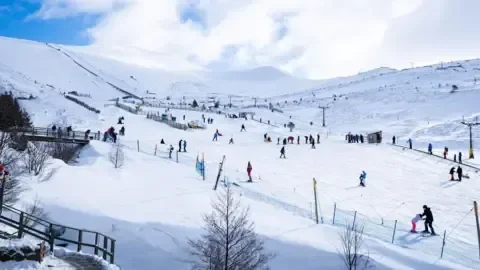
Scotland's winter saw a notable surge in activity at snowsports centers. Glencoe Mountain, for instance, reported over a thousand skiers and hundreds of sledgers on a single day, indicating a high level of public engagement. This period of good weather and snow conditions for resorts contrasted with a less straightforward situation in the wider mountain environment.
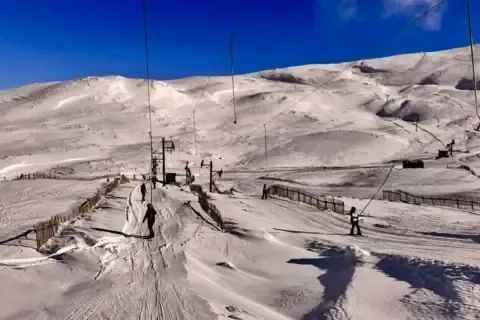
High Resort Attendance: Ski areas experienced a significant uptick in visitors, with some calling it the best winter in six years.
Increased Public Participation: Activities like skiing and sledging saw high numbers, particularly at popular spots like Glencoe.
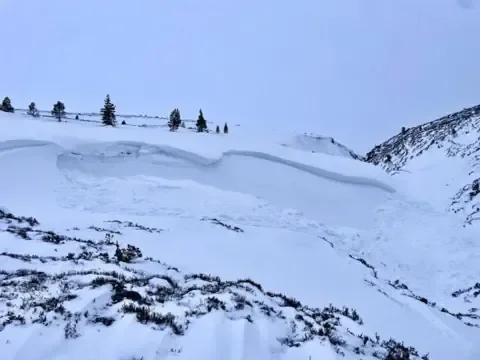
Mountain Rescue Activity: Despite the general trend for resorts, mountain rescue teams encountered avalanches. The Lochaber Mountain Rescue Team reported finding an avalanche in the Ben Nevis area during rescue operations.
Unforeseen Avalanche Events and Conditions
While many enjoyed the snow, the natural landscape posed different challenges. Reports indicated that high winds and heavy snowfall, at times, increased the danger of avalanches on Scotland's higher peaks.
Read More: Ina Forrest Aims for Gold Again at Milan Cortina 2026 Paralympic Games
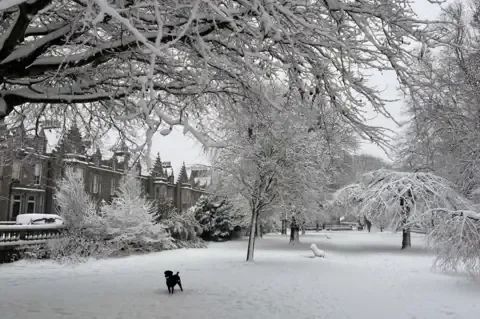
Avalanche Reports: The Scottish Avalanche Information Service (SAIS) monitors key mountain areas. These include Lochaber, Glencoe, Creag Meagaidh, Torridon, and both the Northern and Southern Cairngorms.
Risk Assessment Tools: SAIS provides daily forecasts, accessible via their website and a dedicated app, to help people understand snow stability and avalanche risks. The 'Be Avalanche Aware' initiative, managed by SAIS and the Snow and Avalanche Foundation of Scotland (SAFOS), offers guidelines for hazard assessment.
Conflicting Snowfall Narratives
Evidence suggests a peculiar trend in snowfall that affected avalanche activity differently across the season.
Periods of Scarce Snowfall
One report indicated that, for extended periods, snow was so scarce that SAIS issued no daily avalanche hazard reports. This situation was described as unusual and the first time in nearly two decades.
Lack of Forecasts: Co-ordinator Mark Diggins noted that for the first time in about 20 years, there were times when SAIS had no daily hazard reports due to a lack of snow.
Calls for Vigilance: Despite scarce snow at times, Mr. Diggins stressed the importance of remaining watchful for avalanche and weather conditions, emphasizing the unpredictable nature of winter in the hills.
Expert Opinion: Climate change was cited as a probable cause for these unusual snow patterns.
Record Low Avalanche Numbers
Contrasting the idea of widespread avalanche risk, a separate report from April 2025 detailed the lowest number of recorded avalanches in nearly 40 years. SAIS recorded 172 avalanches during the latest season.
Historical Low: The season concluded with the fewest snow slides recorded in the service's history, spanning almost four decades.
Lingering Snow Patches: While overall avalanche activity was low, isolated snow patches remained above 1,000 meters on mostly north to east-facing slopes, posing a potential slipping hazard for climbers.
Consultation by Rescue Teams: Mountain rescue teams routinely consult SAIS forecasts when responding to callouts.
Expert Views on Winter Conditions
Mark Diggins, a co-ordinator, provided insight into the unusual nature of the season.
"People should remain vigilant to avalanche and weather conditions."
He also pointed out the rarity of periods with no avalanche hazard reports being issued due to scarce snow. Diggins attributed these irregular patterns to climate change and consistently advised preparedness for challenging and unpredictable winter conditions.
Synthesis and Future Considerations
Scotland's most recent winter presented a duality: a thriving ski season for resorts alongside a complex and at times contradictory pattern of avalanche activity. While visitor numbers to snowsports centers reached highs not seen in years, the actual number of recorded avalanches plummeted to a near 40-year low.
Read More: Cairngorms National Park bans campfires and barbecues until September 2026
Key Findings:
Ski resorts experienced their best winter in six years.
There were instances of increased avalanche risk due to snow and wind, leading to mountain rescue callouts.
Periods of significant snow scarcity occurred, leading SAIS to suspend daily hazard reporting for the first time in nearly two decades.
The overall number of recorded avalanches was the lowest in almost 40 years.
Outstanding Questions: What specific weather patterns led to both high resort snow and periods of low natural snow cover? To what extent did the isolated areas of snow contribute to the few recorded avalanches?
Implications: The season underscores the need for continued reliance on SAIS forecasts and safety guidelines, even when overall avalanche numbers are low, due to the unpredictable nature of mountain environments and potential influences like climate change.
Sources:
BBC News - Bumper ski season but also avalanches in Scotland's snowy hills: https://www.bbc.com/news/articles/cq6qyjrq3e9o (Summary: Reports on a busy ski season in Scotland, contrasting with avalanche encounters by mountain rescue teams in areas like Ben Nevis.)
BBC News - Scotland's 'unusual' avalanche season due to a lack of snow: https://www.bbc.co.uk/news/articles/cj3e6r7plzgo (Summary: Details an unusual season where snow scarcity led to periods without SAIS avalanche hazard reports, with climate change suggested as a cause.)
Mountaineering Scotland - Avalanche safety in the Scottish hills this winter: https://www.mountaineering.scot/news/avalanche-safety-in-the-scottish-hills-this-winter (Summary: Explains the role of SAIS in providing daily avalanche forecasts for key Scottish mountain areas and promotes the 'Be Avalanche Aware' initiative.)
BBC News - Fewest avalanches recorded in Scotland in almost 40 years: https://www.bbc.com/news/articles/c62jxwwzz18o (Summary: Reports that the latest avalanche season concluded with the lowest number of snow slides recorded in almost 40 years, based on SAIS data.)


