

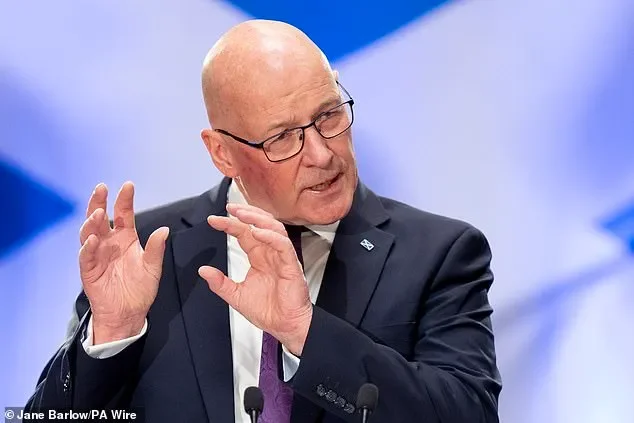
John Swinney, the leader of the Scottish National Party (SNP), has declared his intention to initiate moves towards a new independence referendum on the very first sitting day of the Scottish Parliament following the upcoming May 7 election. This pledge forms a central plank of the SNP's "first 100 days" plan, aiming to secure powers for a referendum through a vote on approving the development of a Section 30 order, a mechanism necessary for transferring constitutional authority from Westminster. Swinney’s immediate action plan signals a determined effort to regain momentum on the independence agenda, regardless of prior election results or potential Westminster opposition.
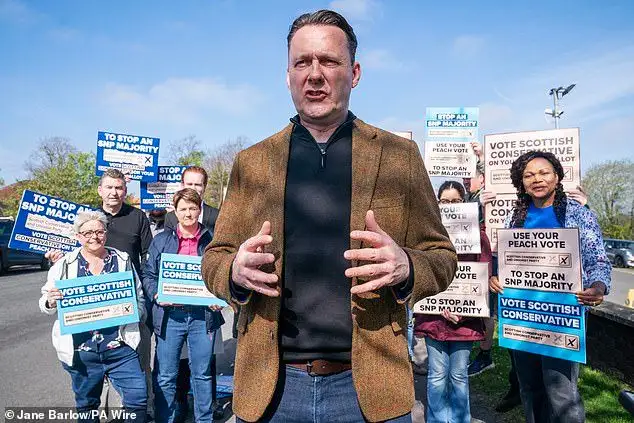
The First Minister stated that a draft referendum Bill would also be published, alongside initiating discussions with the UK government concerning the transfer of necessary powers. Swinney has framed this election as a critical juncture, urging voters to deliver an emphatic mandate for the SNP to "get on with giving Scotland the choice." He drew a parallel to the 2011 SNP majority victory, which preceded the 2014 referendum, in his bid to break what he terms a constitutional "log jam." However, Swinney has remained notably non-committal on the consequences should Westminster refuse to grant these powers, a stance already signaled by UK Labour figures.
Read More: Taiwan Holds Nantou County Drills to Prepare for State Collapse

Opposition Scrutiny Mounts Over Referendum Priority
Critics have sharply questioned the timing and focus of Swinney's renewed push for independence. Scottish Conservative leader Russell Findlay derided the plan as demonstrating "how breathtakingly out of touch he is with the people of Scotland," highlighting the SNP's nearly two decades in power. Anas Sarwar, leader of Scottish Labour, accused Swinney of "shifting goal posts" and maintaining that the current government is "tired." Similarly, Scottish Liberal Democrats deputy leader Wendy Chamberlain MP drew a comparison to former US President Donald Trump, suggesting Swinney's insistence on the inevitability of a referendum was unrealistic.

Concerns are also being raised about the SNP's internal strategy. Reports suggest that even if the SNP fails to secure a majority of seats in Holyrood, they intend to proceed with their referendum plans, a deviation from previous positions predicated on a majority mandate. This potential shift has led to questions about whether the SNP has quietly altered its core objectives regarding independence.
Read More: Cairngorms National Park bans campfires and barbecues until September 2026
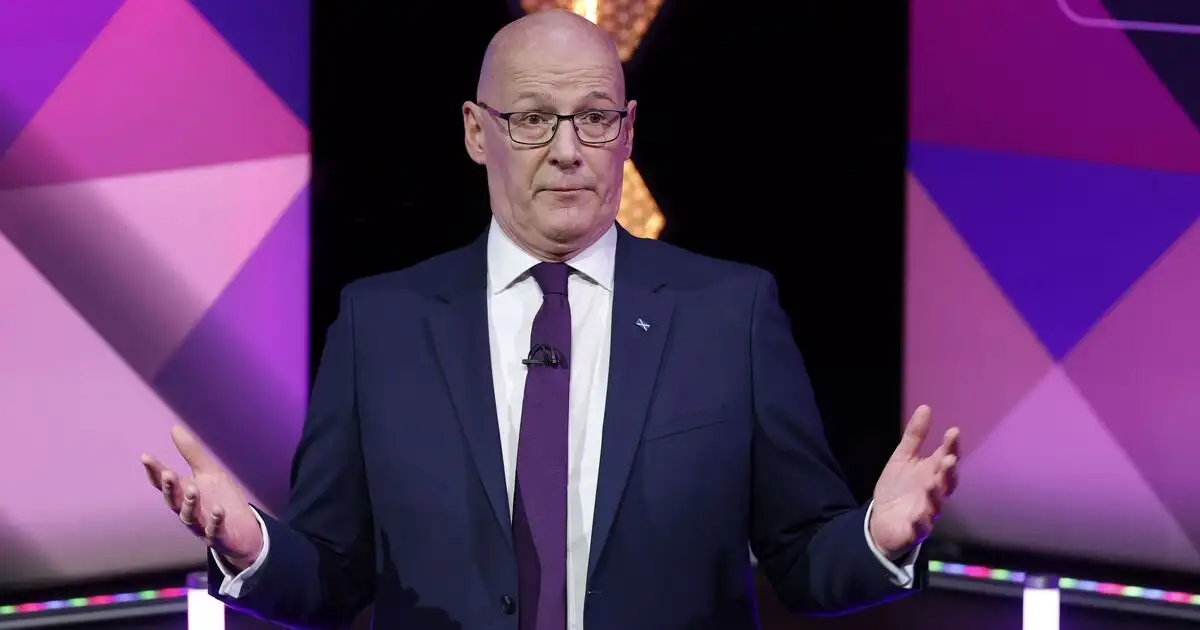
Independence Referendum: A Timeline of Ambition and Obstacles
While Swinney has indicated his expectation for a referendum to occur around 2028, and suggested an independent Scotland could be a reality within 18 months of a successful vote, the path remains uncertain. Prime Minister Sir Keir Starmer has repeatedly stated his inability to foresee another referendum taking place during his tenure, a position reinforced by other leading Labour figures. This direct opposition from Westminster presents a significant hurdle, regardless of the outcome at Holyrood.
The SNP's strategy relies on achieving a parliamentary majority to strengthen their claim for a referendum. Polling suggests the SNP is in a strong position to win, potentially securing enough seats for a majority, though such a result is not guaranteed. The party is set to formalize its independence strategy at an upcoming conference. Alongside the referendum push, the SNP also plans to introduce legislation for a price cap on staple goods in supermarkets and formally request the transfer of powers over energy policy.
Read More: FBI Analysts Review Georgia 2020 Election Data in Fulton County
Background: The Long Road to Self-Determination
The Scottish National Party has governed Scotland for nearly 20 years, with independence remaining a central tenet of its political platform. The 2014 referendum saw 55% of Scots vote to remain part of the United Kingdom. Since then, the SNP has consistently sought to reignite the debate, citing shifting political landscapes and the desire for greater self-governance. Swinney's current proposal marks the latest iteration of this long-standing ambition, set against the backdrop of upcoming elections and ongoing constitutional tensions with the UK government.






