Homes, Identity, and the Post-Mortem Hustle
A troubling pattern emerges where scammers exploit the finality of death for personal gain, leaving behind a trail of financial ruin and violated identities. In one stark instance, a couple, Peter and Jayne Bennett, now face the prospect of losing their home. Their predicament stems from signing over property titles in exchange for what were later discovered to be worthless documents, a transaction orchestrated by John Sexton Sr. Sexton, the report suggests, also made claims about tracing descendants and negotiating land purchases, leveraging information related to the deceased. This scenario highlights how fraudsters can leverage the complexities surrounding inheritance and property rights after a death to ensnare unsuspecting individuals.

The exploitation of the deceased extends beyond property. Reports detail scams where individuals are falsely declared dead, with their obituaries used for nefarious purposes. This tactic can flood search results with misinformation, as seen in cases where individuals found themselves reading their own death notices. The perpetrators, driven by financial motives, often find obituaries a fertile ground for their schemes. Furthermore, there's a concerning trend of impersonating dead relatives to continue collecting benefits, such as Social Security checks. This involves sophisticated deception, like altering voice pitch to mimic the deceased during calls with investigators.
Read More: California Couple Loses $850,000 to FBI Impersonation Scam

The Digital Afterlife: A Breeding Ground for Deception
The digital age has amplified these predatory practices, transforming obituaries and death announcements into potential vectors for fraud. Scammers meticulously gather information from published death notices, both in traditional media and online. This collected data fuels 'bereavement scams,' which can escalate into more personal impostor scams targeting surviving family members. The ultimate aim is often identity theft, a practice sometimes referred to as 'ghosting.' This involves using the deceased's identity to access financial accounts, obtain loans, secure healthcare, or file fraudulent tax returns, often claiming bogus refunds. The vulnerability of the elderly is frequently noted, making them prime targets for these forms of obituary fraud.
Read More: Third Teen Charged in Fatal Stabbing Near Melbourne Hospital on Wednesday

These scams aren't confined to the direct impersonation of the deceased or the exploitation of their obituaries. Funeral homes themselves have become targets for impersonation over the phone. Callers may pose as representatives of funeral service providers, attempting to extract personal information or solicit payments under false pretenses. Similarly, inheritance scams prey on the hope of receiving unexpected windfalls from distant relatives. Even a simple reply to such an unsolicited communication can confirm the validity of an email address, flagging the recipient as a potential target for further manipulation.
A History of Exploitation and Evolving Tactics
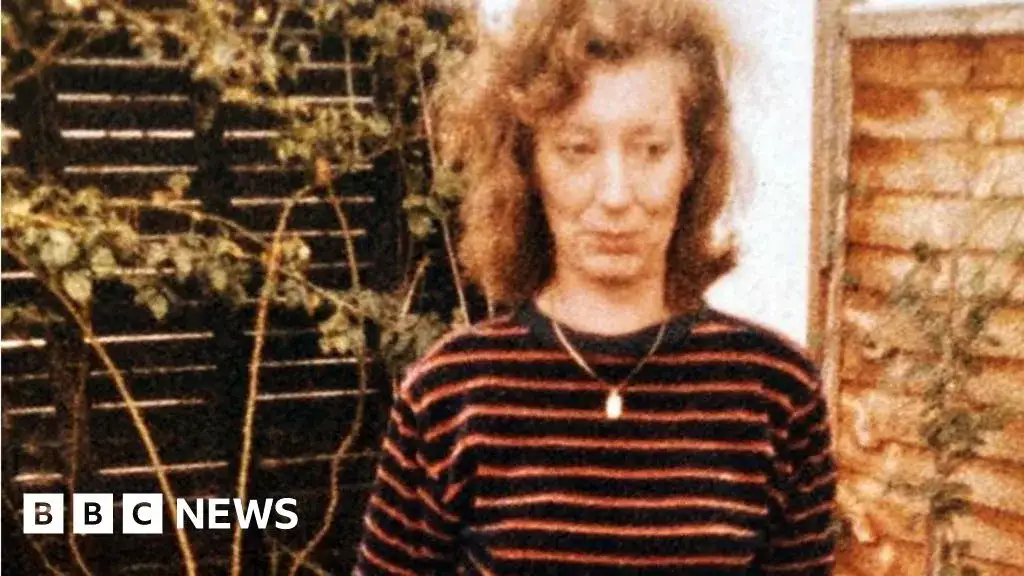
The phenomenon of scams capitalizing on death is not entirely new, but the methods and scale have evolved. Historically, fraud has involved manipulating wills or estates. Reports from the BBC mention cases where individuals like Mr. Silye processed probate for multiple deceased individuals, acquiring properties in the process. In these instances, investigations by authorities like the police and probate service were notably absent.
Read More: T-Series Warns Artists About Fake Emails Promising Music Videos
The core modus operandi often involves preying on emotional vulnerability and a lack of immediate oversight. After a loved one passes, individuals may be contacted by scam artists offering to assist with claims for life insurance, disability benefits, or annuities. The advice offered by regulatory bodies is consistent: always initiate the contact yourself. If you suspect a policy exists but cannot locate it, resources like the National Association of Insurance Commissioners’ Life Insurance Policy Locator Service can be utilized.
The prevalence of misinformation online further complicates matters. When searching for information about a deceased individual, it's crucial to verify the legitimacy of online obituaries. The rationale behind targeting obituaries, according to some sources, makes "financial sense" for scammers, suggesting a calculated approach to their operations. This underscores the need for heightened vigilance and critical assessment of information encountered in the wake of a death.
Read More: Three hearses burned in Roselands arson attack on 4 April 2026

.jpg)
/cloudfront-ap-southeast-2.images.arcpublishing.com/nzme/RVI7RFHOI34HTKKRUG3LS6DNVY.jpg)