


Riyadh and its Gulf partners are reportedly in discussions about reconsidering contracts with the United States, a move apparently spurred by escalating tensions with Iran. This contemplation comes as the region grapples with a shifting geopolitical landscape, where economic ties may be leveraged in response to perceived security threats.
The exact nature and scale of these potential contract adjustments remain indistinct, but the underlying sentiment suggests a recalibration of alliances and strategic dependencies. This development follows earlier reports of Saudi Arabia and the United Arab Emirates boosting oil shipments as a contingency against potential disruptions, underscoring a heightened focus on securing energy flows.

Broader economic ambitions within Saudi Arabia, including attracting foreign capital and advancing large-scale infrastructure projects like Six Flags Qiddiya City, appear to be proceeding alongside these strategic considerations. However, the financial ecosystem supporting these megaprojects faces challenges, with lenders reportedly rebalancing their books and seeking opportunities abroad due to tight liquidity.
Read More: Trump May Focus on Cuba After Iran, Rubio May Lead Talks
A Kingdom of Contrasts
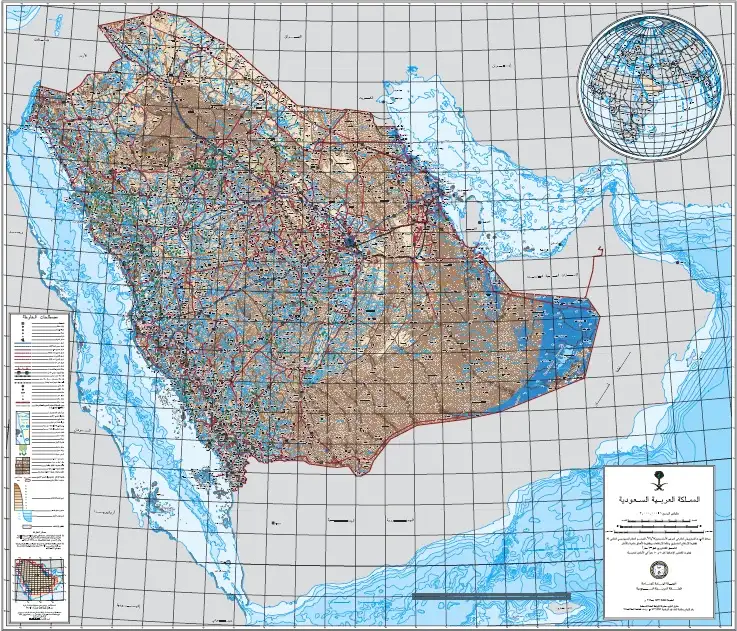
Saudi Arabia, officially known as the Kingdom of Saudi Arabia, is a nation defined by vast sandy deserts, including the Al-Dahnāʾ and Al-Nafūd. Its climate exhibits significant temperature differences between seasons, with Riyadh experiencing more pronounced variations. The country faces environmental challenges such as desertification and the depletion of underground water resources, leading to a reliance on extensive seawater desalination facilities and concerns over coastal pollution from oil spills.
The nation's economic output, as of 2023, stood at approximately $1.06 trillion USD. With an estimated population of 33.6 million in 2025, the kingdom is projected to reach over 37 million by 2030. A significant majority, 85.2% in 2024, resides in urban areas, with literacy rates among those 15 and over showing high figures: 98.6% for males and 96.7% for females in 2024.
Politically, Saudi Arabia operates under a monarchy. The Consultative Council, comprising 150 appointed members, serves as an advisory body. The Saudi riyal is the official currency, with an exchange rate of 3.750 riyals to one US dollar. The nation's official language is Arabic, and its official religion is Islam, with Wahhābism playing a significant role in its cultural and religious fabric.
Read More: Russia shares US ship locations with Iran on February 28 to help attacks in Middle East
Bordering eight countries, including Iraq, Jordan, and the UAE, Saudi Arabia occupies a strategic position in the Middle East. The kingdom has also seen developments in its social landscape, with the introduction of liquor stores for non-Muslim foreigners following an outlet opened in Riyadh last year. This comes amid ongoing modernization efforts, including attempts to position Riyadh as a global force in generative AI through its Humain unit.