Election Commission Under Scrutiny for Voter List Practices
Allegations of irregularities and a demand for greater transparency surround the recent revision of voter rolls, particularly concerning the 'Special Intensive Revision' (SIR) process, drawing criticism from multiple political groups. The Election Commission of India (ECI) finds itself fielding pointed questions and legal challenges over its handling of electoral data, with parties like the Communist Party of India (Marxist) [CPI(M)] and the Communist Party of India (Marxist-Leninist) [CPI(ML)] voicing significant concerns.

Concerns Span Multiple States
Reports indicate that the CPI(M) has flagged "anomalies" in voter rolls in Kerala, demanding clarification from the Chief Electoral Officer regarding discrepancies and the inclusion of individuals in the final rolls. Specifically, the party points to a substantial number of voters, approximately 19.32 lakh, who were categorized under a "no-mapping" status and required to furnish proof of citizenship, a process the party deems unclear.
Read More: Taiwan Holds Nantou County Drills to Prepare for State Collapse
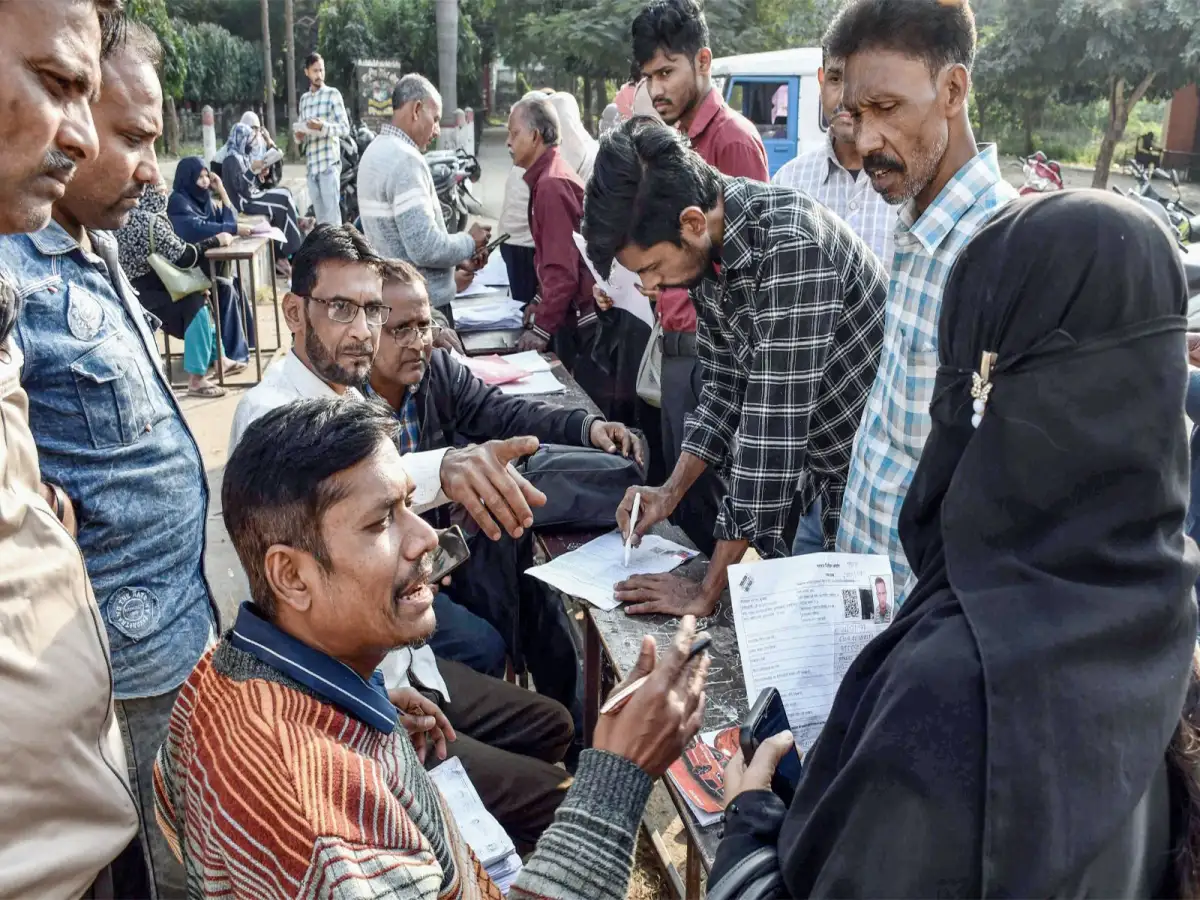
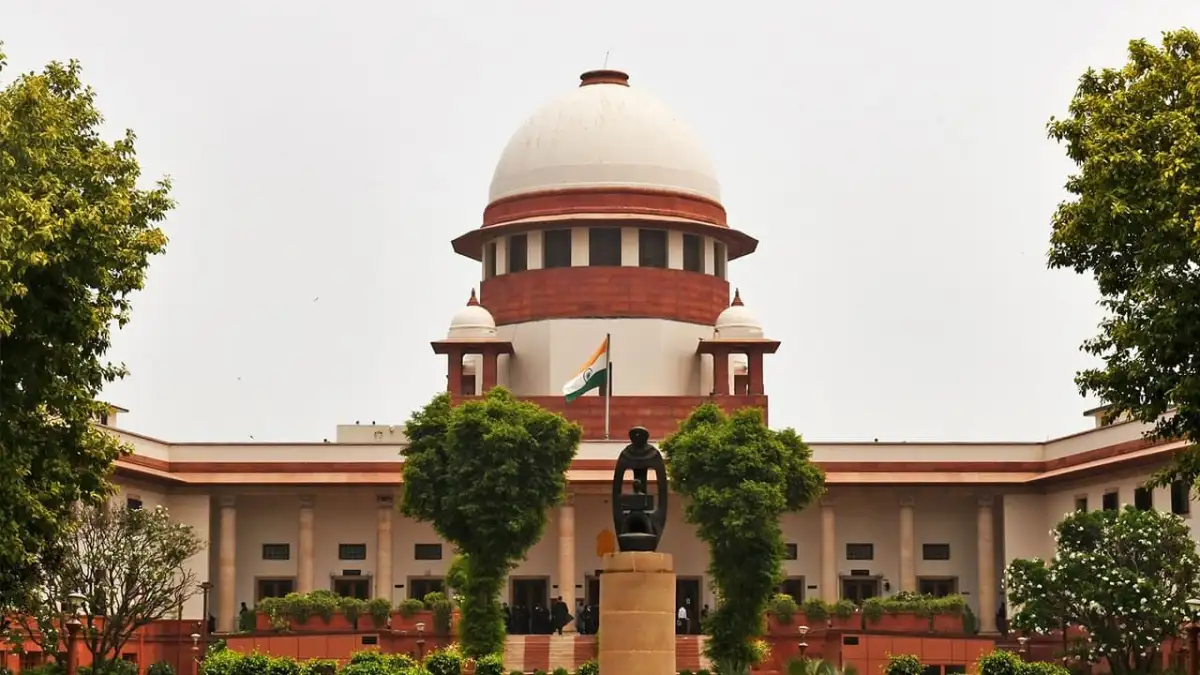
Simultaneously, the CPI(M) has escalated its objections by filing a petition in the Supreme Court, challenging the "unconstitutional" nature of the voter roll revision in Tamil Nadu. The party argues that the SIR exercise, slated to enumerate over 6.18 crore voters between November 4 and December 4, 2025, lacks legal basis and has been arbitrarily imposed. This move echoes a similar challenge brought forth by the DMK government in Tamil Nadu, which also contends the SIR process.
The CPI(ML), meanwhile, has publicly rejected claims by the ECI that political parties congratulated the commission on the final electoral roll for the SIR. CPI(ML) General Secretary Dipankar Bhattacharya asserted that the commission engages in self-praise while disseminating "falsehoods" about political parties, especially those actively contesting discrepancies through legal avenues, including the Supreme Court. The party reportedly held the commission accountable for its "lapses" during a meeting in Patna.
Read More: Aboriginal Voters Turned Away From SA Polling Stations on Election Day

Demands for Clarity and Accountability
The core of the contention appears to revolve around the procedural aspects of voter roll revision and the documentation required. The CPI(M) petition criticizes the Bihar SIR model, which reportedly serves as the template for Tamil Nadu's revision, for dismissing common identification documents like Aadhaar and Voter ID, effectively mandating a renewed citizenship verification. This, the party contends, undermines cooperative federalism by reducing the state government to a mere implementer of a centrally directed exercise.
Both parties appear to be demanding a halt to what they describe as a "flawed" SIR process. Their criticisms suggest a broader unease with the ECI's methods and a desire for greater accountability in maintaining electoral rolls, essential for what they frame as preserving "public trust in the electoral process."
Background on Electoral Roll Revisions
Electoral roll revision is a standard process undertaken by election commissions to ensure that the voter list is accurate and up-to-date. This typically involves adding new voters, deleting deceased or duplicate voters, and correcting errors. However, the introduction of specific revision programs like the Special Intensive Revision (SIR) can involve more rigorous checks and potentially alter established documentation requirements, leading to heightened scrutiny from political stakeholders concerned about fairness and accessibility.
Read More: FBI Analysts Review Georgia 2020 Election Data in Fulton County