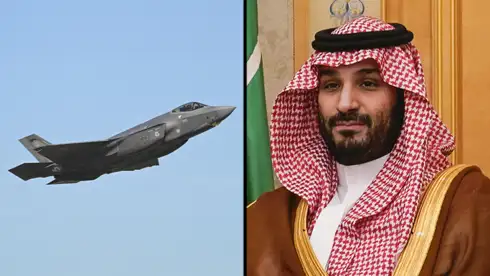
Riyadh/Dubai - Sources indicate Saudi Arabia conducted unpublicized air strikes on Iranian soil in late March. These actions represent the first known instance of direct Saudi military engagement within Iran, a significant escalation in the ongoing regional conflict. The strikes were reportedly in retaliation for attacks carried out against the kingdom during the broader Middle East war.
The unannounced Saudi operations coincided with a noticeable drop in attacks on Saudi Arabia itself. Between March 25-31, over 105 drone and missile incidents were reported; in the following week, April 1-6, this figure fell to just over 25. This sharp reduction suggests a possible deterrent effect or a reciprocal de-escalation following the Saudi action.

Following these strikes, intensive diplomatic efforts reportedly led to an informal agreement to ease tensions between Saudi Arabia and Iran.
Read More: AFP Reviews War Crime Claims Against Australian in Gaza
Unacknowledged Retaliation
Multiple reports, citing two Western officials and two Iranian officials, suggest that the Saudi air force carried out these strikes. The operations were deliberately kept from public view.
These Saudi actions marked a departure from previous responses, where Gulf states, including the UAE, increasingly retaliated directly against Iran instead of relying solely on external protection.
The UAE is also reported to have conducted strikes against Iran, with at least one instance coordinated with Israel.
Diplomatic Fallout and Protests
The period leading up to these alleged Saudi strikes saw mounting regional tension. On April 12, Saudi Arabia summoned Iraq’s ambassador to protest attacks originating from Iraqi territory. This highlights concerns about Iran's alleged use of proxies or other actors operating from neighboring countries.
Iranian officials have not directly commented on the reports. A senior Saudi foreign ministry official declined to confirm or deny whether strikes had taken place when approached for comment.
Broader Context
The regional conflict reportedly intensified after U.S. and Israeli strikes on Iran on February 28. Iran is alleged to have subsequently launched missiles and drones targeting GCC states, U.S. military installations, and infrastructure within the region. The Saudi actions, if confirmed, reveal a hidden dimension to the conflict, with Gulf monarchies engaging in direct, albeit covert, military responses.
Read More: Air Force Major Detained for Calling for President's Impeachment