

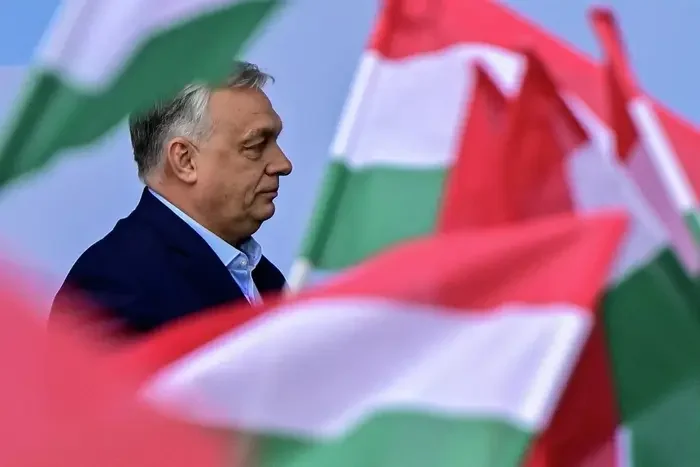
Recent reports indicate that Russian foreign intelligence operatives, known as the SVR, proposed a drastic measure – a staged assassination attempt – to bolster the flagging prospects of Hungarian Prime Minister Viktor Orbán in the upcoming April election. This audacious plan, dubbed "the Gamechanger," aimed to shift the electoral narrative away from economic woes and toward issues of state security and national stability.
The proposal emerged amidst dwindling public support for Orbán, a trend attributed to a worsening economy. The SVR, according to accounts, flagged this decline, suggesting the fake assassination as a means to manipulate public perception. There have been no actual physical attacks on Orbán.
A Calculated Gambit
The core of the alleged Russian strategy was to pivot the election's focus. By manufacturing a high-stakes security incident, the operatives reportedly believed they could steer the discourse from socioeconomic concerns – where Orbán's government appears vulnerable – into a more emotionally charged arena. This shift would underscore themes of national defense and political system stability, potentially galvanizing supporters.
Read More: Taiwan Holds Nantou County Drills to Prepare for State Collapse
External Endorsements Amidst Internal Strife
The proposed Russian intervention unfolds against a backdrop of external endorsements for Orbán. Former U.S. President Donald Trump has publicly affirmed his "total endorsement" of Orbán. Additionally, reports suggest U.S. Vice President JD Vance is slated to visit Budapest in April, presumably to show support for the long-serving Hungarian leader.
Orbán's Shifting Position
Orbán, the European Union's longest-serving leader, faces a critical election where he is currently projected to lose. His government's close ties with Moscow have historically provided the Kremlin with a strategic entry point within both NATO and the EU. His popularity has been noticeably eroded, creating a fertile ground for external influence.
The Wider Implications
The mere suggestion of such a scheme, should it have been pursued, highlights the significant stakes involved for Russia in Hungary's electoral outcome. The potential for such "fear manipulation," as some sources describe it, introduces a new layer of complexity to European security architectures, where information itself becomes an active tool of foreign policy.
Read More: Marquez Wins Hungarian Sprint Race After Shoulder Surgery
A Challenger Emerges
Notably, Orbán is reportedly trailing Peter Magyar, a conservative figure who, while formerly associated with Orbán's Fidesz party, is now campaigning on an anti-corruption platform.
Official Silence
Orbán's spokesperson, Zoltan Kovacs, did not respond to requests for comment regarding the SVR report, the alleged Russian interference, or the prime minister's relationship with Moscow.
Context: Hungary's Political Landscape
Hungary's upcoming election in April is seen as pivotal, not only for the nation but for the broader geopolitical landscape of the European Union and NATO. Prime Minister Viktor Orbán, in power for an extended period, has cultivated a distinctive foreign policy, often at odds with Brussels, characterized by pragmatic engagement with Russia. This relationship has been a persistent point of discussion and concern among international allies. The current electoral climate appears challenging for Orbán, with economic headwinds impacting his approval ratings. The emergence of Peter Magyar as a significant challenger, advocating for reforms and transparency, presents a notable alternative within the conservative spectrum. The alleged Russian intelligence operations underscore the perception of Hungary as a strategic interest for Moscow, particularly given its NATO and EU membership.
Read More: FBI Analysts Review Georgia 2020 Election Data in Fulton County







/2026/04/09/69d7832173b01342912424.jpg)