


State Broadcasters Targeted Post-Election
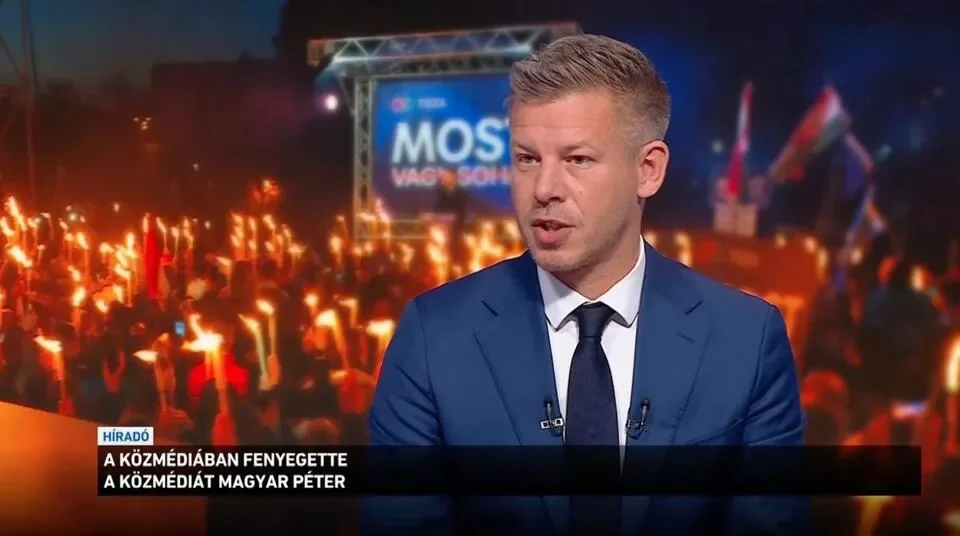
Péter Magyar, Hungary's prime minister-elect, has signaled an immediate and drastic overhaul of the nation's state-controlled media landscape following his party's decisive election victory. In a series of highly charged appearances on state-run television and radio outlets on Wednesday, April 15, 2026, Magyar declared his intention to suspend broadcasts from national broadcasters, including M1 television and Kossuth Radio. He decried these outlets as a "factory of lies" and a "propaganda machine," vowing to cease their operations until conditions for "objective, impartial reporting" can be re-established.
The core of Magyar's immediate post-election agenda appears to be a decisive dismantling of the state media apparatus, which he claims has been perverted into a tool for partisan messaging, not public service.
Public Service or Partisan Mouthpiece?
Magyar's interventions marked his first appearances on state media in 18 months, a stark contrast to the access enjoyed by outgoing Prime Minister Viktor Orbán. Magyar accused the state broadcasters of disseminating misleading information, citing specific instances of false reports regarding Germany. He directly compared the practices of Hungarian state media to those of North Korea and figures like Goebbels, asserting that "not a single true word" had been spoken since 2010. The broadcast hosts reportedly denied these accusations, with some claiming that Magyar and his party had been repeatedly invited to participate in discussions.
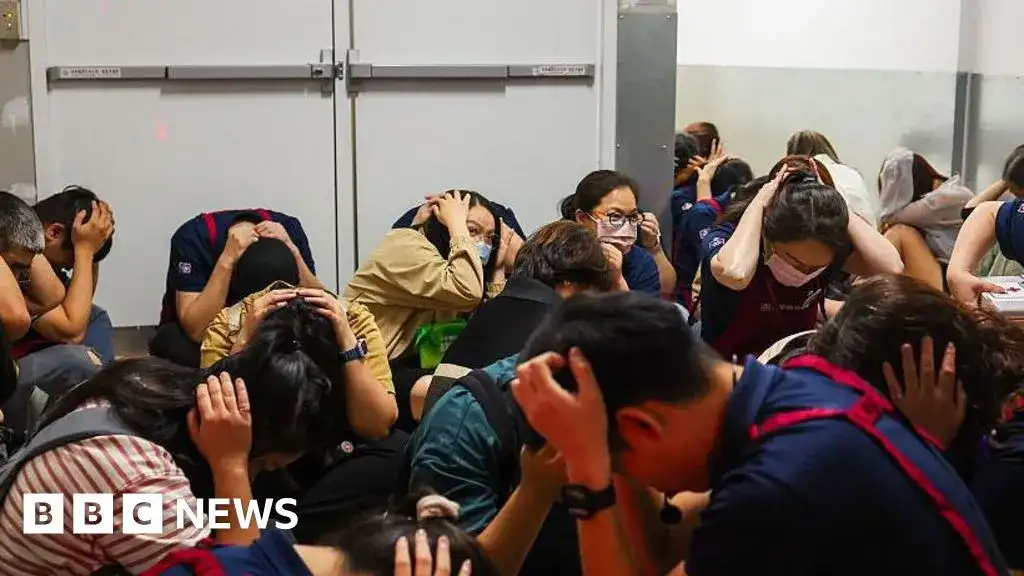
Read More: Taiwan Holds Nantou County Drills to Prepare for State Collapse
"The fake news broadcast here must stop, and we will create independent, objective and impartial conditions to end this propaganda." - Péter Magyar
Background: The Orbán Era and Media Control
The current state of Hungarian media is a direct legacy of Viktor Orbán's 16-year tenure. His administration is reported to have gradually taken control of approximately 80 percent of the Hungarian media landscape, a move that has drawn scrutiny from EU investigations into democratic backsliding. This systematic consolidation of media ownership by Orbán's Fidesz party created an environment where state media often functioned as a direct extension of government messaging.
Read More: Marquez Wins Hungarian Sprint Race After Shoulder Surgery
Magyar's opposition party, Tisza, achieved a significant electoral victory on Sunday, April 12, 2026, ending Orbán's prolonged period in power. Magyar's campaign strategy reportedly relied heavily on grassroots engagement, including visiting numerous towns and villages, in contrast to Orbán's more traditional media-heavy approach. This election outcome, coupled with recent endorsements of Orbán by figures like US Vice President JD Vance and US President [Specific US President], places Hungary at a critical juncture regarding its media freedom and democratic institutions. The practicalities of the transition, including how established loyalists within state institutions will respond to a new government, remain a significant question.




/2026/04/09/69d7832173b01342912424.jpg)