Two years after the death of Russian opposition leader Alexei Navalny, a coalition of European governments, led by the United Kingdom, has declared their belief that he was poisoned with a potent toxin derived from a dart frog. This assertion follows analyses of samples taken from Navalny's body. The findings, presented at the Munich Security Conference, aim to shed light on the circumstances surrounding his demise in a Siberian penal colony.

Background to the Allegations
Alexei Navalny, a prominent critic of the Russian government and a vocal opponent of President Vladimir Putin, died in February 2024 at an Arctic penal colony where he was serving a 19-year sentence. Russian authorities reported that the 47-year-old fell ill after a walk, collapsed, and never regained consciousness. His death occurred during a period of increased international scrutiny on Russia's domestic political climate and its actions abroad.
Read More: Swiss TV Stops Olympic Comments About Israeli Athlete

Key actors involved include:
Alexei Navalny: Russian opposition leader and vocal critic of the Kremlin.
Russian Government (Kremlin): Accused by European nations of orchestrating the poisoning.
United Kingdom (UK): Took a leading role in presenting the findings of the toxin analysis.
France, Germany, Netherlands, Sweden: Other European nations that have corroborated the UK's claims.
Yulia Navalnaya: Widow of Alexei Navalny, who has previously attributed her husband's death to poisoning.
The timeline of events includes:
February 2024: Alexei Navalny dies in an Arctic penal colony.
Present: Several European governments announce their findings regarding the cause of death.
Evidence of Toxin Use
Multiple European governments have stated that laboratory tests on samples from Alexei Navalny's body conclusively confirmed the presence of epibatidine, a toxin found in the skin of South American dart frogs. This substance is described as being significantly stronger than morphine, with the potential to cause death through suffocation.
Read More: Russia Attacks Ukraine with Many Drones and Missiles Before Peace Talks

Sample Analysis: Samples were reportedly obtained before Navalny's burial and sent to laboratories in Sweden and other countries for testing.
Toxin Identification: The toxin identified is epibatidine, a chemical not naturally found in Russia.
Captive vs. Wild Dart Frogs: It is noted that dart frogs in captivity do not produce this specific toxin, raising questions about its acquisition.
"As a result of the work of the UK, Sweden and other partners, we have confirmed that a deadly toxin was found in Alexei Navalny's body," stated Ms. Cooper, a representative from the UK. "And that toxin has been identified as a toxin that is found in Ecuadorian Dart Frogs."
Attribution and Means
The governments announcing these findings have directly implicated the Russian state. They posit that only the Russian government possessed the necessary resources, motivation, and opportunity to administer such a toxin within a high-security penal facility.
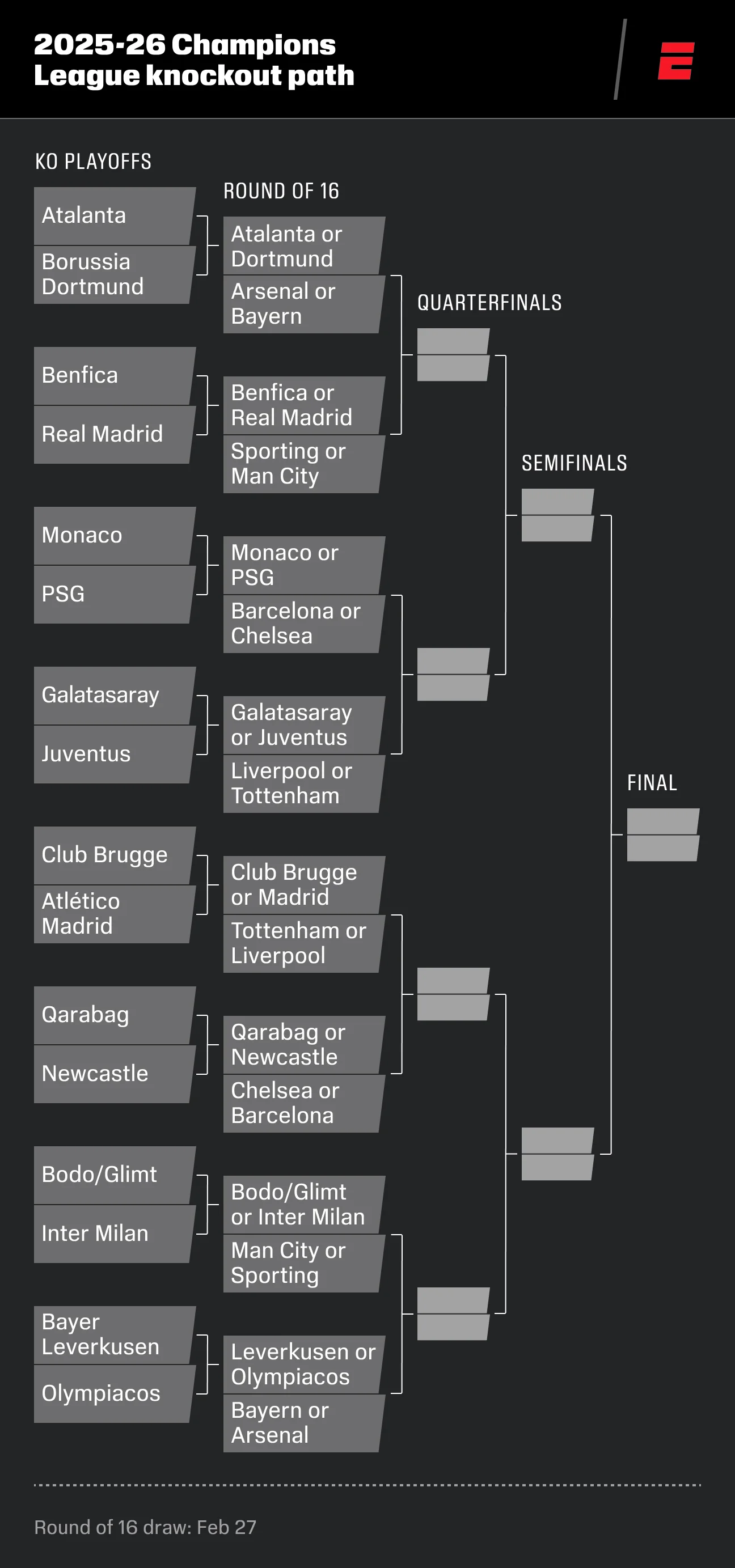
Read More: Champions League Knockout Draws Are Set for New Format

Means, Motive, and Opportunity: The assertion is that the Kremlin had the capacity to procure and deploy the toxin, had a reason to silence Navalny, and the opportunity to do so while he was imprisoned.
Chemical Weapons Watchdog: The implicated European nations have reportedly notified the Organisation for the Prohibition of Chemical Weapons (OPCW) about their findings.
Historical Context: The UK has previously accused Russia of using chemical weapons in other contexts, including in Ukraine.
Ms. Cooper further stated, "Only the Russian government had the means, the motive and the opportunity to use that toxin against Alexei Navalny in prison and that is why we are here today to shine a spotlight on the Kremlin's barbaric attempt to silence Alexei Navalny's voice."
Navalny's Widow's Stance
Yulia Navalnaya, Alexei Navalny's widow, has consistently blamed Russian President Vladimir Putin for her husband's death. She has previously indicated that independent laboratories found evidence of poisoning shortly before his death, and she met with UK officials at the Munich Security Conference where these latest findings were presented.
International Reactions and Implications
The joint announcement by five European nations underscores a significant diplomatic development. The accusations place further pressure on Russia and highlight concerns about the use of sophisticated poisons as tools of political suppression. The reporting to the OPCW signifies a formal international step in addressing these allegations.
Expert Analysis
"As a result of the work of the UK, Sweden and other partners, we have confirmed that a deadly toxin was found in Alexei Navalny's body," said Ms. Cooper, highlighting the collaborative investigative effort. The statement from Germany's foreign minister noted the extreme potency of the frog's poison, stating "victims suffocate in agony," suggesting the method of death was intended to be agonizing.
Conclusion
Based on the presented evidence and the collective statements of the United Kingdom, France, Germany, the Netherlands, and Sweden, there is a strong assertion that Alexei Navalny was deliberately poisoned with a dart frog toxin while in Russian custody. The toxin identified, epibatidine, is described as rare and potent. The implicated nations believe Russia possesses the exclusive capacity and motive for such an act, and have taken steps to inform the international chemical weapons watchdog. These developments reinforce the ongoing tensions between Russia and Western nations regarding human rights and political dissent.
Read More: Iran Leader Says US Will Not Win Against Iran
Sources Used:
BBC News: "Russia killed opposition leader Alexei Navalny using toxin from dart frog, UK says"
Sky News: "Navalny died after being poisoned with dart frog toxin, UK and allies say"
URL: https://news.sky.com/story/navalny-died-after-being-poisoned-with-dart-frog-toxin-13507402
The Guardian: "Russia killed Alexei Navalny with frog toxin, UK and four European allies say"
URL: https://www.theguardian.com/world/2026/feb/14/alexei-navalny-poisoning-death-russia-frog-toxin
Politico EU: "Russia poisoned opposition politician Alexei Navalny with a toxin from a poison dart frog, France, Germany, the Netherlands, Sweden and the United Kingdom said on Saturday."
URL: https://www.politico.eu/article/alexei-navalny-killed-russia-frog-toxin-5-eu-countries-say/
France24: "Russia fatally 'poisoned' Putin critic Navalny with rare toxin, European states say"
PBS NewsHour: "Russia poisoned opposition leader Alexei Navalny with dart frog toxin, five European nations say"
CBS News: "Russian opposition leader Alexei Navalny was likely fatally poisoned in prison, European leaders say"
URL: https://www.cbsnews.com/news/alexei-navalny-death-poison-russia-europe/
Read More: Russia Warns Navy Will Protect Oil Ships
Note: CNN article summary was too brief to include detailed information.Note: The Independent article summary was unavailable.