


Abu Dhabi, UAE – Just as a fragile hope for dialogue flickered, Russia unleashed a devastating wave of aerial assaults across Ukraine, leaving cities reeling and the upcoming peace talks in Abu Dhabi poised for a tense and uncertain start. With temperatures plunging and infrastructure crumbling, the renewed strikes on Kyiv and other civilian centers raise critical questions about Moscow's true intentions and the credibility of the diplomatic process.
The timing is undeniably suspicious. With the second round of trilateral talks between Ukraine, Russia, and the United States set to commence on February 4th, Russia’s decision to launch "massive" and "largest" drone and missile attacks—dubbed "cold war" tactics by some observers—effectively sabotaged any potential goodwill. This isn't merely collateral damage; it appears to be a deliberate tactic to undermine negotiations, sowing chaos and fear on the very eve of crucial discussions.
The Escalating Assault: A Calculated Strategy?
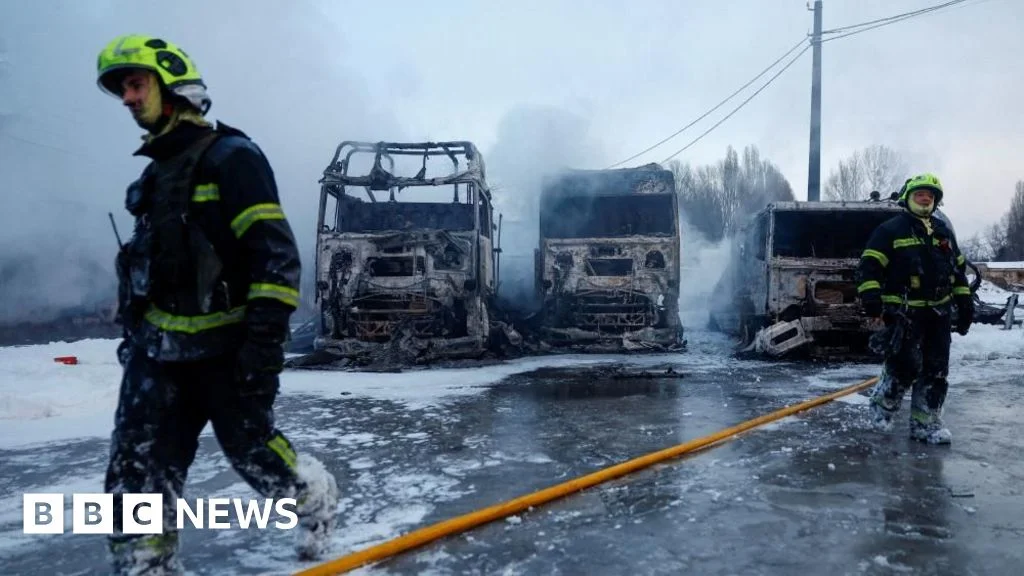
Ukraine reported an onslaught of 71 missiles and 450 attack drones on February 3rd alone, a staggering figure that dwarfs previous incidents. The impact was immediate and brutal:
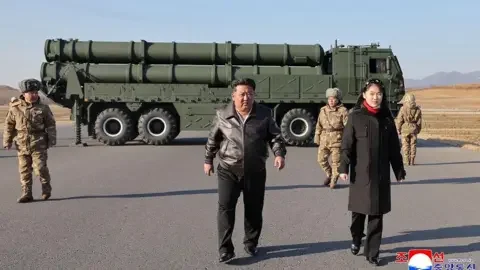
Read More: Kim Jong Un's Daughter May Be Next Leader of North Korea

Kyiv: Six people were wounded in the capital, and buildings were hit.
Zaporizhzhia: A drone strike claimed the lives of two teenagers and injured at least 11.
Kharkiv: The nation's second-largest city also faced attacks, with heating cut for around 100,000 subscribers.
Dnipropetrovsk: Overnight strikes resulted in two fatalities.
These attacks aren't just random acts of violence; they seem strategically timed to exert maximum pressure. With temperatures already in the negative teens Celsius, the targeting of energy infrastructure – which has been a recurring theme – inflicts immense suffering on civilians already battling one of their bleakest winters. Why would Moscow engage in such brutality just as talks are scheduled? Is this a genuine attempt to force concessions, or a clear signal that diplomacy is secondary to military might?
A Pattern of Sabotage? Previous Talks Undermined
This isn't the first time Russia has seemingly used military action to disrupt peace efforts. The Guardian reported in January (Article 3) that Russia was "criticised for launching drone and missile attacks on Kyiv and Kharkiv during peace talks in Abu Dhabi." This establishes a disturbing precedent: Moscow appears willing to escalate hostilities while supposedly engaging in dialogue.
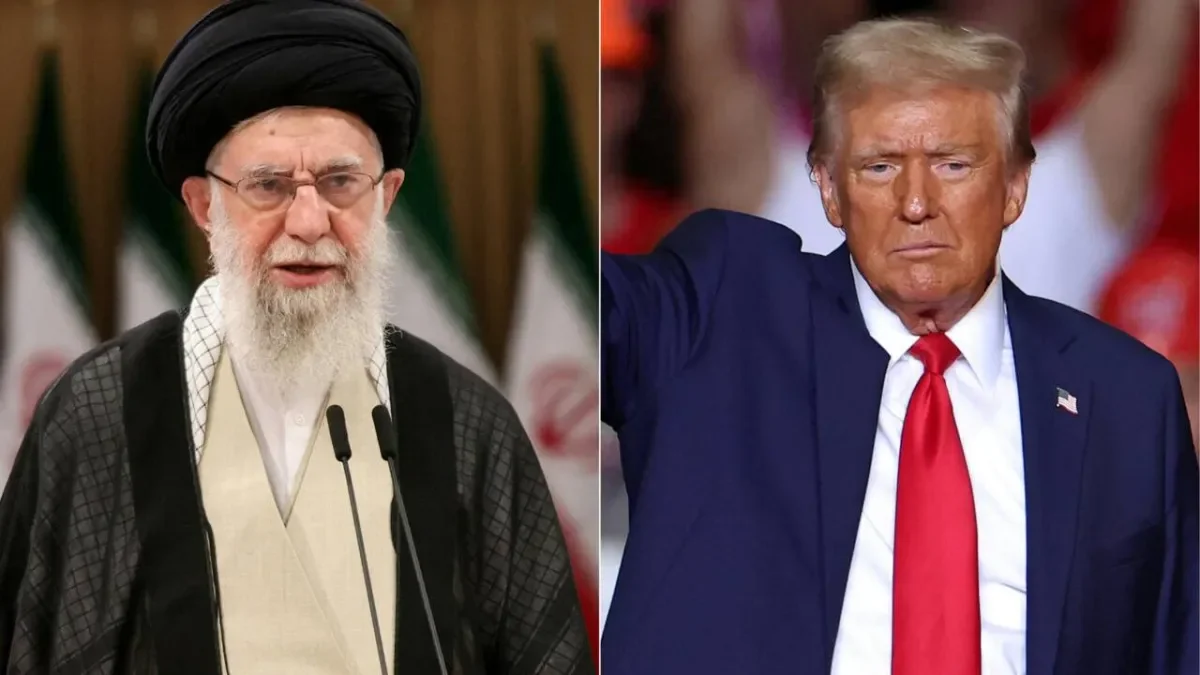
Read More: USA and Iran Talk About Nuclear Program
"Russia was criticised for launching drone and missile attacks on Kyiv and Kharkiv, Ukraine’s two largest cities, during peace talks in Abu Dhabi." (The Guardian, Article 3)
Furthermore, there's a peculiar pattern of Russia making temporary concessions – often at the behest of third parties like Donald Trump – only to resume aggressive actions. The Kremlin announced it would halt strikes on energy infrastructure until Sunday (February 2nd) at the request of Donald Trump, with Kyiv reciprocating (Article 4). Yet, even as this pause was announced, reports of other strikes on railway infrastructure and logistics continued.

| Event | Timing | Alleged Reason | Outcome ||—-|—-|—-|—-|| Strikes on Energy Infrastructure | Coincided with early Abu Dhabi talks | Criticism of Russia | Russia announced a pause || Pause in Energy Strikes | February 1st - 2nd | At the request of Donald Trump | Kyiv reciprocated, but other strikes continued || Renewed "Massive" Strikes | February 3rd-4th | Preceding Abu Dhabi Talks | Sabotaging diplomatic atmosphere |*
Read More: People Protest Worldwide Due to Money Problems
Is this a genuine, albeit short-lived, willingness to de-escalate, or a calculated maneuver to create leverage and then break it? The inconsistency raises serious doubts about Moscow's commitment to a peaceful resolution.
The Role of the United States: A Bridge or a Bystander?
The United States, alongside the UAE, has been instrumental in facilitating these trilateral talks. Yet, the effectiveness of US mediation is being severely tested. While US officials have reported "constructive" peace talks in the past (Article 2), the reality on the ground – characterized by escalating Russian aggression – paints a starkly different picture.

Donald Trump has repeatedly claimed progress, even asserting that Putin agreed to halt strikes (Article 2, Article 5). His administration's involvement, however, seems to have yielded limited tangible results in preventing continued attacks.
Trump's Claims: "good news soon" on ending the war (Article 5).
US Role: Facilitating talks, reporting them as "constructive" (Article 2).
Reality: Continued "massive" Russian strikes impacting civilians.
Read More: Many Countries Disagree with Israel's West Bank Actions
"Donald Trump said earlier that his administration may have some good news soon on its push to end the war in Ukraine." (The Guardian, Article 5)
This disparity between the optimistic pronouncements from some US figures and the grim reality of Russian military actions begs the question: Is the US being effectively heard by Moscow, or is its diplomatic leverage waning in the face of continued bombardment? How can constructive talks occur when one party is simultaneously waging a brutal air war?
The Crucial Issue of Territory: The Elephant in the Room
While the immediate focus is on the renewed violence, the underlying, intractable issue of territory remains the core deadlock. "The second round is expected to focus on territory, with no breakthrough so far on the crucial issue," reports TRT World (Article 9). Similarly, L'Humanité notes, "The question of territories will have to be discussed again to move towards a global agreement to end the war" (Article 12).
Read More: Memorial for Nightclub Fire Victims Burns Down Again
The Russian military's reported takeover of the village of Starytsya in the Kharkiv region (Article 3) just days before these talks is a potent reminder of the territorial ambitions at play. Moscow's actions on the ground seem to be deliberately pre-empting or undermining any territorial concessions that might be discussed at the negotiation table.
| Core Dispute | Moscow's Actions | Kyiv's Stance ||—-|—-|—-|| Territorial Integrity | Claiming control of Ukrainian regions; advancing on the ground | Reclaiming all occupied territories || Diplomatic Engagement | Engaging in talks; simultaneously conducting large-scale attacks | Participating in talks, but demanding an end to aggression |*
Without a clear path forward on territorial disputes, any agreement reached in Abu Dhabi risks being superficial. The current strategy of bombing cities while attending peace talks suggests that Russia is unwilling to engage in genuine territorial compromise.
What Now for Abu Dhabi?
As the second round of talks is set to begin, the atmosphere is thick with tension, not optimism. The sheer scale and timing of Russia’s latest assaults are a stark indictment of its commitment to a peaceful resolution.
Read More: Red Sea Shipping Problems Cause Delays and Higher Costs
Can genuine dialogue occur under the shadow of relentless bombing?
What leverage does the US possess if Russia continues to escalate militarily?
Will the issue of territory, the fundamental obstacle, be addressed with sincerity, or is it a mere talking point for Moscow?
Are these talks destined to be another brief interlude in a protracted conflict, overshadowed by military action?
The international community, and indeed the citizens of Ukraine, are watching closely. The coming days in Abu Dhabi will reveal whether diplomacy can prevail over brute force, or if Russia’s "cold war" of aerial bombardment will continue to dictate the tragic narrative of this conflict. The question isn't just if talks will happen, but whether they can succeed when one participant seems intent on shattering the very foundation of peace.
Read More: Epstein Files Cause Problems for Keir Starmer
Sources:
Article 4: Ukraine war briefing: Kyiv reschedules peace talks as battered power grid strains in -15C
Article 6: Peace talks on Russia-Ukraine war end as fighting rages
Article 7: Ukraine, Russia, U.S. Agree to More Talks Next Week in UAE - The Moscow Times
Article 9: Russia launches massive strikes on Ukrainian energy grid ahead of Abu Dhabi talks
Article 11: Russia, Ukraine and US hold trilateral talks in Abu Dhabi
Article 15: Second round of Abu Dhabi talks set for Wednesday and Thursday, Kremlin announces
Article 16: Trilateral Ukraine talks to resume in Abu Dhabi on Wednesday: Zelenskyy
Article 17: Russia resumes large-scale strikes on Ukraine in glacial temperatures
Article 18: Trilateral Ukraine peace talks delayed after US, Russia meet
Article 19: Ukraine: Zelenskyy calls Abu Dhabi talks 'constructive'
Read More: Iran Says Ready for Nuclear Talks, But Defense is Not for Discussion


:max_bytes(150000):strip_icc():focal(612x1166:614x1168)/Switzerland-accident-fire-020826-02-7cbc5d49ad0f413883178cfd825a77de.jpg)

